


Oslo’s Munch Museum, branded simply as MUNCH, has become a pilgrimage site for travelers who want to stand in front of Edvard Munch’s The Scream. Yet the museum and its Bjørvika waterfront neighborhood offer far more than one iconic painting. With a bit of planning, you can turn a quick photo stop into a rich half day of art, architecture, and fjordside city life.
Get the latest updates straight to your inbox!
Understanding the New MUNCH and Why The Scream Is Just the Start
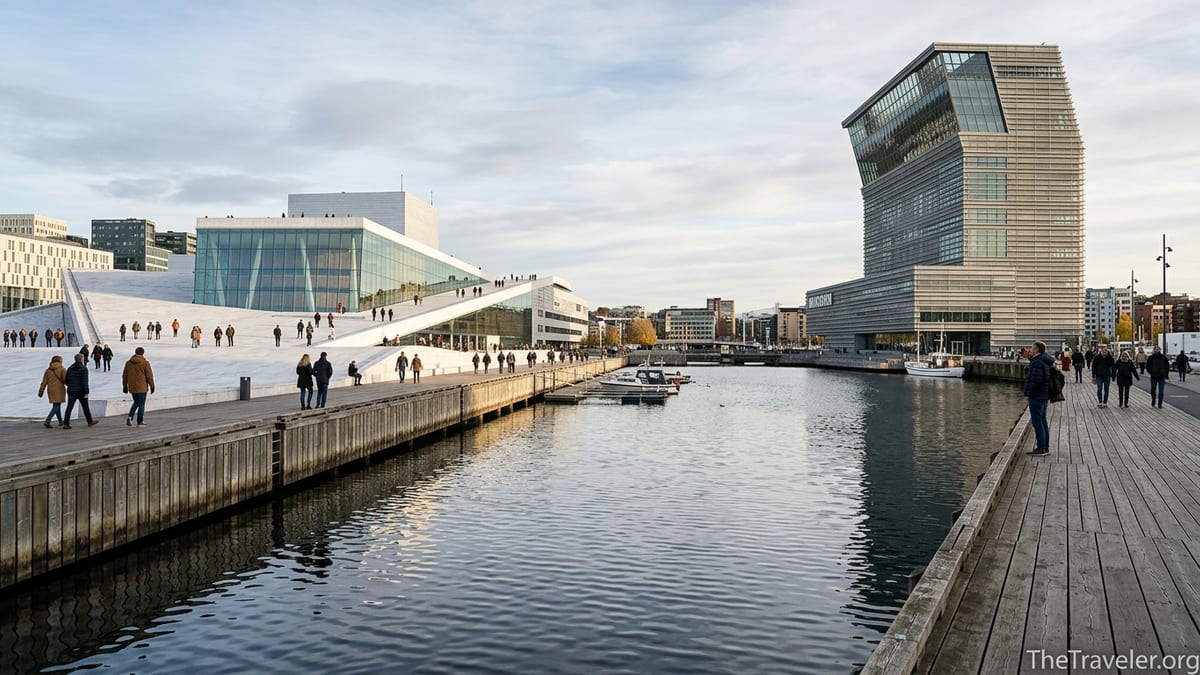
MUNCH today is a striking, purpose built tower on Oslo’s Bjørvika waterfront, a short walk from Oslo Central Station and just behind the Opera House. The original 1963 Munch Museum in the Tøyen district has closed to visitors and the collection now lives here in climate controlled galleries across 13 floors. For travelers, that means you get a much broader and better presented view of Munch’s work than ever before, particularly his lesser known paintings, prints, and drawings spread across several permanent exhibitions.
The Scream is still the magnet, but it appears in rotation rather than as a single, permanent canvas on the wall. The museum holds several versions of the motif in different media, including a painted version and a pastel. To protect these fragile works from light damage, curators limit how long any one version is on show. You may find that during your visit you see a pastel Scream instead of a painted one, or encounter digital displays and related works that tell the story of how the image became a modern icon.
Understanding this rotation helps set your expectations. You are almost certain to “see The Scream” in some form, but it might not be the exact painting you know from reproductions. Staff and current wall texts clearly explain which version is on display and for how long. If your heart is set on a particular version, it is worth checking closer to your travel dates directly with the museum or local tourism channels for current exhibition details, as these can change year to year.
Above all, remember that The Scream is just one chapter in a much larger story. The museum manages tens of thousands of works left to the city of Oslo by Munch, and the building is designed to invite you to move between themes like love, loss, and the modern city across multiple floors rather than rushing straight to a single gallery.
Planning Your Visit: Tickets, Timing and Crowd Strategy
MUNCH uses timed tickets, and the museum strongly encourages advance booking, particularly in summer, on weekends, and during major events in Oslo. As of 2026, a standard adult ticket typically costs in the range that most major European art museums charge; students, young visitors and children benefit from reduced or free entry. It is wise to reconfirm current prices and opening hours shortly before your trip, as cultural institutions in Norway periodically update both.
For a calmer experience of The Scream and the permanent collections, aim for midweek mornings or the last two hours before closing. When cruise ships are in port, late afternoon can get busy, especially in high season from June through August. Many independent travelers report that arriving close to opening time allows them to see the key Munch galleries in relative quiet before tour groups filter in, then take a break in the café once the building fills up.
The museum is open most days, with extended hours some evenings and reduced opening on particular holidays. If you are visiting in winter, shorter daylight hours in Oslo mean it can be pleasant to time your museum visit for the late afternoon, then watch the sky darken over the harbor from the upper floors. In summer, long light evenings make it easy to combine an afternoon at MUNCH with a later stroll along the waterfront or a swim at nearby Sørenga sea baths.
Give yourself at least two and a half to three hours if you want to see more than just the headline works. That allows time for the main Munch exhibitions, a short break in the café, and a visit to the rooftop or one of the high floor terraces. Travelers who are especially interested in art often spend most of a day in the building, including time at temporary exhibitions that may feature contemporary artists in dialogue with Munch or themed shows on topics like anxiety, nightlife or landscape.
Navigating the Building: From Ground Floor Buzz to Sky High Views
MUNCH’s architecture can feel unusual at first encounter. The tower has a distinctive lean and a dark exterior that contrasts with the airy, mostly white interiors. Once inside, you move upwards through a stack of galleries, performance spaces, learning rooms and viewing platforms. The ground floor houses the ticket desk, shop, and an area often used for installations or large scale works. From here, you can take lifts directly up to the main collection floors.
One effective way to structure your visit is to start high and work down. Ride the elevator to one of the upper levels first, pause at the viewing platforms to orient yourself over the Oslofjord and the Barcode skyscraper row, then enter the permanent Munch galleries. These are arranged thematically rather than strictly chronologically, which makes them accessible even if you know little about the artist beforehand. Wall texts are offered in Norwegian and English, with clear overviews that help you pick out highlights without reading every label.
Pay attention to the smaller side rooms and print galleries. It is here that you often find experimental versions of motifs like Madonna, Vampire or The Sick Child, along with lithographs and woodcuts that reveal how Munch reworked his ideas across decades. A quiet side space may give you ten minutes alone with a haunting self portrait or an early landscape, while the main rooms draw the crowds. Do not hesitate to move back and forth; it is perfectly acceptable to leave The Scream gallery once you feel you have experienced it and explore the rest without guilt.
The upper floors also include spaces for temporary exhibitions, films, and live events. During a typical year, the museum might host a sound art performance, a contemporary painting show or a themed evening with talks and music. If you are interested in these programs, check the events calendar before you go, as some require separate tickets or advance reservations, and popular concerts occasionally sell out.
Discovering Munch Beyond The Scream: Key Works and Themes to Seek Out
While it is easy to fixate on one image, Munch’s depth as an artist emerges when you follow a few recurring themes through the museum. Start with his portraits and self portraits. Works like Self Portrait with Cigarette show a young artist shaped by bohemian circles in Kristiania, the former name of Oslo, while later self portraits with skeletal arms or intense gazes confront aging, illness and death. Seeing these works together gives a sense of a life lived at emotional extremes, not just a single scream on a bridge.
Another rich area is Munch’s exploration of relationships. The Dance of Life, often displayed among other figure paintings, traces young love, passion and loss around a seaside dance floor. Nearby, you might find variations on the motif of jealousy, with figures turned away from one another under a blood red sky. If you have only seen reproductions in books or on posters, encountering these large canvases in person, with visible brushwork and subtle color shifts, can be a revelation. You begin to see how Munch anticipated expressionism and influenced later artists in Germany and beyond.
Do not overlook the prints. MUNCH holds one of the world’s strongest collections of Munch’s graphic work, and curators regularly rotate fragile prints in and out of display. Lithographs such as The Kiss or woodcuts of The Girls on the Bridge show how he used line and color in different ways from his paintings, often with a sharper, more graphic impact. Print rooms tend to be quieter, making them ideal spaces to slow down if the main galleries feel crowded.
Finally, look out for works that show Munch’s relationship with the city and nature. His paintings of Kristiania streets at night, or of snow around the artist’s home, anchor his emotional world in specific places. On a grey Oslo day, you may recognize the same low winter light or bare trees outside as you see inside the frames. Connecting these works with your own experience of walking through the city can make the visit feel much more personal and less like a checklist.
Making the Most of the Neighborhood: Opera House, Library and Fjordfront
One of the easiest ways to turn a quest for The Scream into a fuller Oslo experience is to explore Bjørvika before or after your museum ticket slot. The white marble Oslo Opera House, just a few minutes’ walk from MUNCH, allows visitors to walk up its sloping roof without charge. On a clear day you can climb to the top, look back at the leaning MUNCH tower and across to the Barcode district, and watch ferries and small boats cross the fjord. Many travelers like to combine an early morning roof walk with a late morning museum entry time.
Next door to MUNCH is Deichman Bjørvika, Oslo’s main public library in a glass fronted building that has quickly become a favorite hangout for locals. Entry is free, and you do not need a library card simply to sit, read or enjoy the architecture. Inside, open staircases, quiet study zones, children’s areas and a roof terrace make it a good place to rest between cultural stops. Some visitors pick up a coffee from the in house café and spend half an hour browsing Norwegian design books or watching city life through the huge windows before heading back towards the museum or their hotel.
If the weather is kind, consider walking further along the waterfront to Sørenga, where a purpose built sea bath, wooden jetties and a small urban beach give brave swimmers direct access to the Oslofjord. In summer, it is not unusual to see Oslo residents taking a dip in the evening light, with the MUNCH tower visible behind them. Even if you only roll up your trousers and sit with your feet in the water, it adds a memorable, very local counterpoint to the intensity of Munch’s canvases.
For meals, the Bjørvika and nearby Barcode area now host a range of mid range restaurants, bakeries and casual eateries. You will find Norwegian style cafés that serve open sandwiches and cinnamon buns, Asian noodle spots, and relaxed wine bars popular with office workers from the surrounding towers. Prices generally match central Oslo levels, which are high by many visitors’ standards, so it can be sensible to glance at menus before you sit down. Travelers on a budget sometimes opt for a simple bakery lunch by the waterfront steps rather than a full restaurant meal.
Practical Tips: Tickets, Transport, Families and Accessibility
Reaching MUNCH is straightforward. From Oslo Central Station, it is roughly ten minutes on foot: exit towards the Opera House, follow the pedestrian paths across the tracks and around the harbor, and you will see the leaning tower ahead. Trams and buses also stop nearby; if you are using Oslo’s public transport app to navigate, look for stops in the Bjørvika area. Taxis and ride hailing vehicles can drop you close to the entrance, but many visitors find walking easiest given how compact the central waterfront district is.
Inside the museum, you will pass through a standard security check. Large backpacks and suitcases must usually be left in lockers or the cloakroom area. Photography is widely allowed, though flash is often restricted in sensitive galleries. If you want an unobstructed moment with The Scream, it helps to take your photos quickly, then step back and simply look. Short bursts of visitors tend to move in waves, so a little patience between groups can earn you a quieter minute in front of the work.
MUNCH is designed with accessibility in mind. Lifts reach all floors, and wide corridors and ramps make it navigable for wheelchair users and visitors with strollers. Accessible restrooms are signposted on multiple levels. If you or a companion have specific access needs, you can speak with staff at the entrance, who are used to helping arrange seating, suggest less crowded routes or point out quieter spaces. The museum also occasionally offers guided tours and talks in English; while schedules change, it is worth checking if any of these line up with your visit.
Families will find that MUNCH is more child friendly than its brooding reputation might suggest. There are hands on areas and family oriented events where children can try drawing or printmaking, and some exhibitions are curated with younger visitors in mind. Including a visit to the nearby Deichman library’s children’s floor, with its playful installations and reading nooks, can help balance the emotional intensity of some of Munch’s more challenging works for sensitive kids.
Souvenirs, Food and Slowing Down Your Experience
Before you leave, it is worth stopping by the museum shop on the ground floor, which goes beyond the usual postcard and magnet offer. Alongside reproductions of The Scream and other famous works, you will find well designed books in English on Munch’s life and themes, Norwegian design objects, and high quality posters and prints. Prices reflect Scandinavia’s generally high retail costs, so think of purchases here as carefully chosen mementos rather than impulse buys.
The café and restaurant options inside MUNCH change their menus seasonally but tend to focus on Scandinavian ingredients with modern presentation. Expect items like open sandwiches on rye bread, salads with smoked fish or roasted vegetables, and pastries that pair well with a strong coffee. Sitting by the large windows with a simple lunch or a slice of cake can be one of the most enjoyable parts of the visit, especially on days when the weather outside is cold or wet and the fjord takes on a steel grey color.
To deepen your experience beyond The Scream, build in at least one intentional pause. That might mean sitting on a bench in a quieter gallery, returning to a single painting you found unexpectedly moving, or taking a slow circuit around a floor without your phone in hand. Many visitors find that the works grow richer when you give yourself a moment to adjust after the initial excitement of finally seeing the famous image in person.
When you step back out into Bjørvika, consider taking a short detour rather than rushing directly to the next sight. Walk along the boardwalk past small harbor pools and moored boats, or cross back over to the Opera House roof for a final, elevated look at the museum you have just explored. Holding the views of the city and the images from the galleries together can help fix the entire experience in your memory as something more layered than a single photograph in front of The Scream.
The Takeaway
Visiting Oslo’s Munch Museum can, if you let it, be far more than a pilgrimage to one famous painting. By planning your visit for a quieter time, giving yourself a few hours to explore the building from top to bottom, and paying as much attention to Munch’s prints, portraits and cityscapes as you do to The Scream, you come away with a fuller sense of his world.
Anchoring your museum visit in the wider Bjørvika neighborhood, with its opera roof, waterfront library and fjordside walks, turns a single ticket into a half day or full day experience that links art, architecture and everyday city life. In the end, the most memorable part of your time at MUNCH may not be the quick moment in front of The Scream, but the quieter works and views that you find when you give yourself permission to look around.
FAQ
Q1. Do I need to book tickets for MUNCH in advance?
Booking in advance is strongly recommended, especially in summer, on weekends and when large events are happening in Oslo, because popular time slots can sell out.
Q2. Will I definitely see The Scream during my visit?
The museum almost always has a version of The Scream on display, but specific versions rotate to protect them, so you may see a pastel or a painting depending on the schedule.
Q3. How much time should I plan for the Munch Museum?
Plan for at least two and a half to three hours to see more than just The Scream, including the main collections, a temporary exhibition and a short café break.
Q4. What is the best time of day to avoid crowds?
Midweek mornings right after opening and the final hours before closing are usually quieter than midday, particularly when cruise ship groups visit.
Q5. Is the Munch Museum suitable for children?
Yes. While some artworks deal with heavy themes, there are family friendly areas, creative activities and nearby attractions like the Deichman library that balance the visit.
Q6. How do I get to MUNCH from Oslo Central Station?
It is about a ten minute walk: follow signs towards the Opera House and Bjørvika, then continue along the waterfront until you reach the leaning museum tower.
Q7. Is the museum accessible for wheelchair users and strollers?
Yes. Elevators reach all floors, entrance routes are step free, and there are accessible restrooms and wide corridors suitable for wheelchairs and strollers.
Q8. Can I take photos of The Scream and other artworks?
Photography is generally allowed for personal use, but flash is often prohibited in sensitive galleries, so always check and respect signs and staff instructions.
Q9. What else can I combine with a visit to MUNCH nearby?
Popular combinations include walking on the Oslo Opera House roof, visiting the Deichman Bjørvika library, and strolling or swimming at the Sørenga waterfront area.
Q10. Are there guided tours in English at the museum?
The museum periodically offers tours and talks in English; availability varies by season, so check current schedules shortly before your visit or ask at the information desk.