


More news on this day
Norwegian Cruise Line Holdings is moving ahead with a sweeping refresh of its fleet, with five ships from the Norwegian Cruise Line and Oceania Cruises brands expected to leave the core lineup or transfer to third-party operators by 2028 as the company pivots toward larger, more efficient newbuilds.
Get the latest news straight to your inbox!
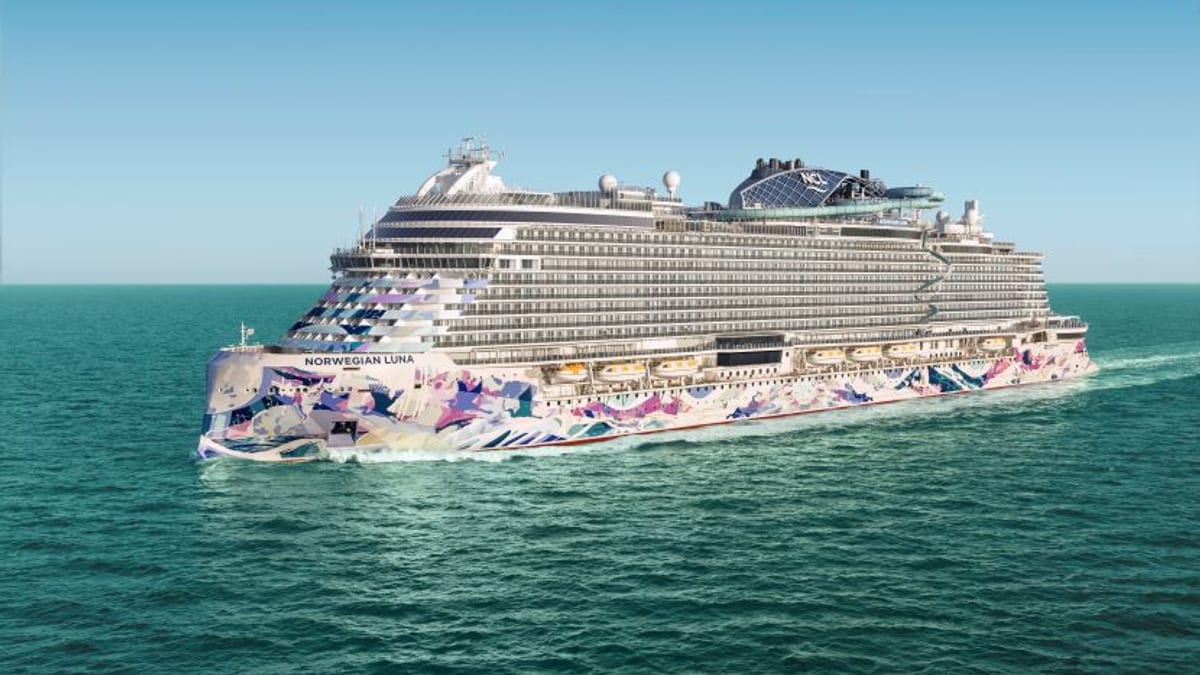
Strategic Renewal Accelerates Across the NCLH Fleet
Publicly available filings and corporate announcements show that Norwegian Cruise Line Holdings has entered a period of rapid fleet renewal, pairing a record newbuild pipeline with the progressive exit of several older vessels. The strategy centers on reducing the share of smaller, less efficient ships in favor of larger Prima and Sonata class tonnage and a new generation of alternative-fuel capable vessels scheduled into the 2030s.
As part of that repositioning, at least five ships from the Norwegian Cruise Line and Oceania Cruises brands are expected to phase out of core NCLH deployment by 2028. While the company has not framed these moves as a single, consolidated program, disclosures across securities filings, press materials and charter agreements point to a coordinated effort to slim the legacy fleet even as new capacity arrives.
The approaching exits will be closely watched by itinerary planners and loyal guests. Several of the ships involved have long histories in North America and Europe, and their redeployments or potential disposals coincide with the arrival of larger vessels aimed at key markets such as the Caribbean, Alaska and the Mediterranean.
Norwegian Brand: Older Ships Shift to Long-Term Charters
On the Norwegian Cruise Line side, the first signs of a structural change came with 10-year bareboat charter agreements for Norwegian Sky and Norwegian Sun, described in recent financial reports as commencing in late 2026 and late 2027, respectively. Under bareboat arrangements, control and operation of a ship effectively transfer to another party, removing the vessel from the day-to-day commercial fleet even though legal ownership may remain unchanged.
These charters position both mid-sized ships to leave Norwegian’s marketed lineup around the time new Prima-class tonnage arrives. The timing aligns with the brand’s plan to field larger, more efficient ships in core regions while reducing exposure to older hardware that typically carries higher unit costs and more limited onboard revenue potential.
Industry coverage also highlights growing use of long-term charters and potential follow-on sale options as a way for cruise groups to manage capacity without abrupt disposals. In Norwegian’s case, handing Sky and Sun to external operators over a decade-long period effectively means that, from a guest perspective, two familiar vessels will have exited the fleet before the end of 2028.
Oceania’s Regatta-Class Trio Faces Diverging Paths
Within the Oceania Cruises brand, the company’s trio of smaller Regatta-class ships is at the center of upcoming changes. Recent interim reporting indicates that Oceania Regatta is scheduled to begin a two-year time charter in late 2026, with options either to extend the agreement or sell the vessel to a third-party cruise operator at its conclusion. Such a pathway would see Regatta progressively move away from Oceania’s core deployment profile and potentially leave the group altogether before the decade closes.
Oceania Insignia is already on a separate trajectory. An earlier charter announcement detailed plans for the ship to be handed over to a residential-style cruise operator later this decade, effectively taking it out of Oceania’s traditional itinerary portfolio. Once that charter begins, Insignia is expected to disappear from the brand’s published schedules even if it continues sailing under another concept and potential new identity.
By contrast, Oceania Nautica has been earmarked for retention. Company disclosures describe a significant refurbishment program intended to upgrade guest spaces and enhance the ship’s operational profile, with the goal of redeploying Nautica on refreshed itineraries. This mixed approach illustrates how NCLH is selectively winnowing its smaller Oceania tonnage, allowing two of the three sister ships to migrate to third-party operations while one is renewed for longer-term service.
Five Ships Mark the Transition to a Larger, Newer Fleet
Taken together, the moves around Norwegian Sky, Norwegian Sun, Oceania Regatta and Oceania Insignia point to four clearly defined vessels stepping away from NCLH’s front-line fleets by 2028. Industry analysts following the group’s fleet list also include a fifth Oceania ship in the transition count, based on the combination of charter arrangements, age profiles and the pacing of incoming newbuilds.
While individual transaction details can vary, the effect from a market standpoint is similar: these ships either transfer to long-term external charters or prepare for potential sale, and in the process they disappear from Norwegian or Oceania’s mainstream deployment maps. For guests and travel advisors, that means fewer older, mid-sized ships in brochures and more emphasis on new or recently upgraded hardware across key itineraries.
At the same time, the company has underscored in public materials that capacity growth will continue in absolute terms. The exits are happening in parallel with a slate of larger incoming ships designed to carry more passengers per sailing, supported by enhanced onboard spending opportunities and more efficient propulsion and hotel systems aimed at managing fuel, emissions and operating expenses.
Newbuild Pipeline Replaces Tonnage and Targets Efficiency
NCLH’s long-term fleet plan features an extensive orderbook for all three brands, with deliveries stretching into the next decade. For Norwegian Cruise Line, additional Prima-class and next-generation vessels are scheduled through 2028, introducing ships of roughly 170,000 gross tons or more with capacity approaching 4,000 guests. These ships are described in corporate materials as methanol-ready or otherwise configured for alternative fuels, reflecting tighter regulatory and environmental expectations.
Oceania Cruises, meanwhile, is set to expand with its Sonata-class series following the Allura class. New ships entering service from the late 2020s onward will be substantially larger than the Regatta-class vessels they effectively replace in the brand mix, while still maintaining the line’s focus on culinary and destination-driven itineraries. The growth of this segment is a key factor enabling Oceania to move legacy ships such as Insignia and Regatta toward charters or eventual sale.
For Norwegian Cruise Line Holdings as a whole, the combination of these newbuilds and the planned exit of at least five older vessels by 2028 signals a decisive pivot. The group is concentrating capacity in larger, more efficient ships while continuing to participate in niche markets through charters and partnerships, reshaping how its brands appear in the global cruise landscape over the next several years.