


More news on this day
Two flagship African carriers are redrawing the long-haul map to the United States, as Royal Air Maroc and EgyptAir roll out historic nonstop links between North Africa and Los Angeles ahead of the 2026 World Cup in North America.
Get the latest news straight to your inbox!
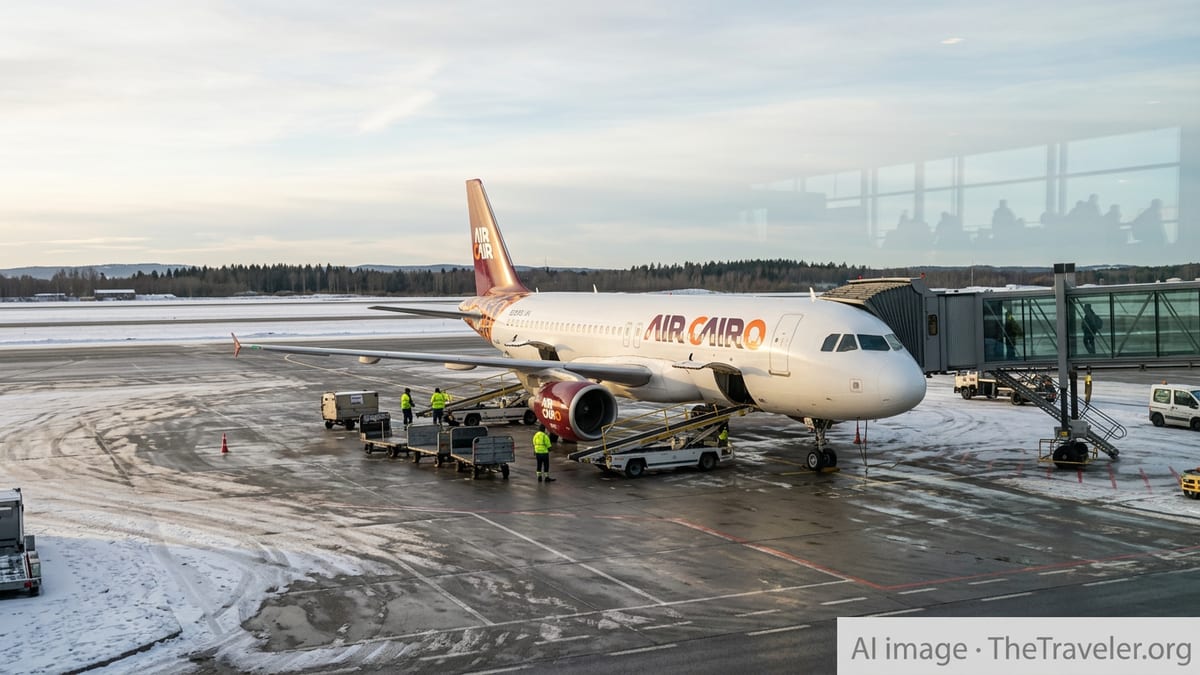
First Direct West Coast Gateways From North Africa
EgyptAir inaugurated its Cairo to Los Angeles route in late May 2026, opening the first direct air link between Egypt and the US West Coast. Publicly available information shows that the service, operated by Airbus A350 900 aircraft, runs three times per week and is currently the longest flight in the airline’s network.
Royal Air Maroc is following closely with its own landmark connection between Casablanca and Los Angeles. Airline schedules and booking data indicate that the Moroccan flag carrier will begin nonstop flights between Mohammed V International Airport and Los Angeles International Airport in early June 2026, using Boeing 787 Dreamliner aircraft configured for long haul travel.
Until these launches, travelers headed from California and the broader US West Coast to North Africa typically relied on at least one connection through European or Gulf hubs, often adding many hours and complicating itineraries. The new services remove an entire leg for many passengers, creating nonstop options that were previously unavailable for both leisure and business travel.
The timing is notable. With the expanded 2026 FIFA World Cup set for venues across the United States, Canada and Mexico, interest in Africa to North America travel is expected to climb. Industry analysts suggest that improved air connectivity from North African hubs could help channel more fans, tourists and diaspora travelers into West Coast cities in the run up to the tournament.
Casablanca and Cairo Position Themselves as Super Hubs
Casablanca and Cairo have long competed to serve as leading aviation gateways between Africa, Europe and the Middle East. The new nonstop routes to Los Angeles represent a significant escalation in that role, turning both airports into more compelling one stop options for journeys spanning Africa and the western United States.
Royal Air Maroc already operates direct services from Casablanca to several North American cities, including New York, Washington, Miami, Montreal and Toronto. Recent network updates show that Los Angeles will become the carrier’s sixth nonstop destination on the continent, reinforcing Casablanca’s status as a transatlantic hub that gathers traffic from West and Central Africa and connects it to both Europe and the Americas.
EgyptAir has been steadily building its US footprint from Cairo, with established routes to New York area airports and Washington, and new Chicago flights planned for 2026. The addition of Los Angeles extends that reach to the Pacific edge of the United States. For many travelers from East Africa, the Horn of Africa and the Gulf region, Cairo now offers a more direct pathway to the US West Coast that bypasses traditional European stopovers.
Both carriers are aligning their long haul growth with broader national strategies to boost tourism, trade and investment. Egypt has been prioritizing aviation and airport expansion as tools to attract visitors to its cultural and Red Sea destinations, while Morocco is investing in tourism infrastructure and positioning Casablanca as a primary African connection point for transatlantic traffic.
Shorter Journeys and New Itineraries for US Travelers
For travelers based on the US West Coast, the Casablanca and Cairo routes immediately reshape the map for reaching Africa and parts of the Middle East. Los Angeles residents previously faced itineraries that commonly routed through European capitals such as London, Paris, Frankfurt or Madrid, or via Gulf carriers through Doha or Dubai, often turning the door to door journey into a long multi segment trip.
The new nonstop legs allow passengers to reach North Africa in a single overnight flight, then connect onward to regional destinations on the same ticket. From Casablanca, Royal Air Maroc offers links to cities across Morocco as well as West Africa, including Dakar, Abidjan and Lagos. From Cairo, EgyptAir’s network extends throughout Egypt, the Levant and East Africa, enabling one stop journeys from Los Angeles to destinations such as Luxor, Sharm el Sheikh, Nairobi or Addis Ababa.
Onboard product will also play a role in attracting long haul passengers. Public fleet and schedule information indicates that EgyptAir is deploying the Airbus A350 900 on Cairo to Los Angeles, a modern widebody designed for ultra long routes. Royal Air Maroc is expected to utilize its Boeing 787 family on Casablanca to Los Angeles, giving both airlines fuel efficient aircraft capable of crossing the North Atlantic and North American landmass with competitive cabin layouts.
Industry observers note that these aircraft choices are critical for balancing operating costs with passenger comfort, especially in premium cabins where airlines compete directly with European and Gulf carriers already well established on the West Coast. Competitive fares, efficient connections and reliable schedules will be essential if the new routes are to build a loyal customer base beyond the large North African and Middle Eastern diaspora communities in Southern California.
World Cup Momentum and the Wider Africa–US Market
The launch of North Africa–LAX routes arrives as the broader Africa to United States market is entering a period of renewed growth. Several African carriers have announced or restored long haul services to North America in recent years, responding to rising demand from leisure travelers, students, business travelers and members of the diaspora.
The 2026 World Cup, hosted across multiple cities in the United States, Canada and Mexico, is expected to accelerate these trends. While fan travel will be concentrated around host cities, improved connectivity from African hubs like Casablanca and Cairo to major US airports could encourage more multi stop itineraries that combine football matches with side trips to the West Coast or to African destinations on the return leg.
North African carriers also see an opportunity to capture transfer traffic from sub Saharan Africa. Travelers from West Africa can connect via Casablanca, while those from East and Northeast Africa can route through Cairo, in both cases reaching Los Angeles with only one change of aircraft. This network logic mirrors long standing European and Gulf models but gives African airlines a larger role in long haul flows.
Market data and route announcements suggest that if demand proves strong, additional frequencies or seasonal adjustments could follow after the first year of operation. That would further entrench these routes as permanent fixtures in the transatlantic landscape rather than experimental additions.
Competitive Pressure on Established Hubs
The entry of Royal Air Maroc and EgyptAir into the Los Angeles market introduces new competition for established transatlantic and transpacific players. Large European airlines that previously carried a significant share of West Coast to North Africa and Middle East traffic may see some passengers opt for the simplicity of a single African hub connection, especially when flying to secondary destinations on the continent.
Gulf carriers with substantial presence at West Coast airports could face similar pressure. Although they still offer extensive networks into South and Southeast Asia, the emergence of nonstop African options from Los Angeles provides an alternative for passengers whose primary destinations are in North Africa or nearby regions.
For Los Angeles International Airport, the new services strengthen its role as a global gateway not only to Asia and Latin America but increasingly to Africa. Airport statistics already highlight LAX as a top origin and destination market for international travel from the western United States, and the arrival of two new African flag carriers adds geographic balance to that portfolio.
As the routes mature, pricing, reliability and connection times will determine how much market share Royal Air Maroc and EgyptAir can win from competitors. For now, their decision to link Casablanca and Cairo directly with Los Angeles marks a symbolic and practical step toward closer ties between Africa and the US West Coast, just as global attention turns to the region ahead of a landmark World Cup.