


More news on this day
A major new contract signed for a Gebze metro branch is set to extend Kocaeli’s growing rail network toward Istanbul’s Sabiha Gökçen Airport, creating a strategic link that promises faster commutes for workers and travelers across one of Turkey’s busiest industrial corridors.
Get the latest news straight to your inbox!
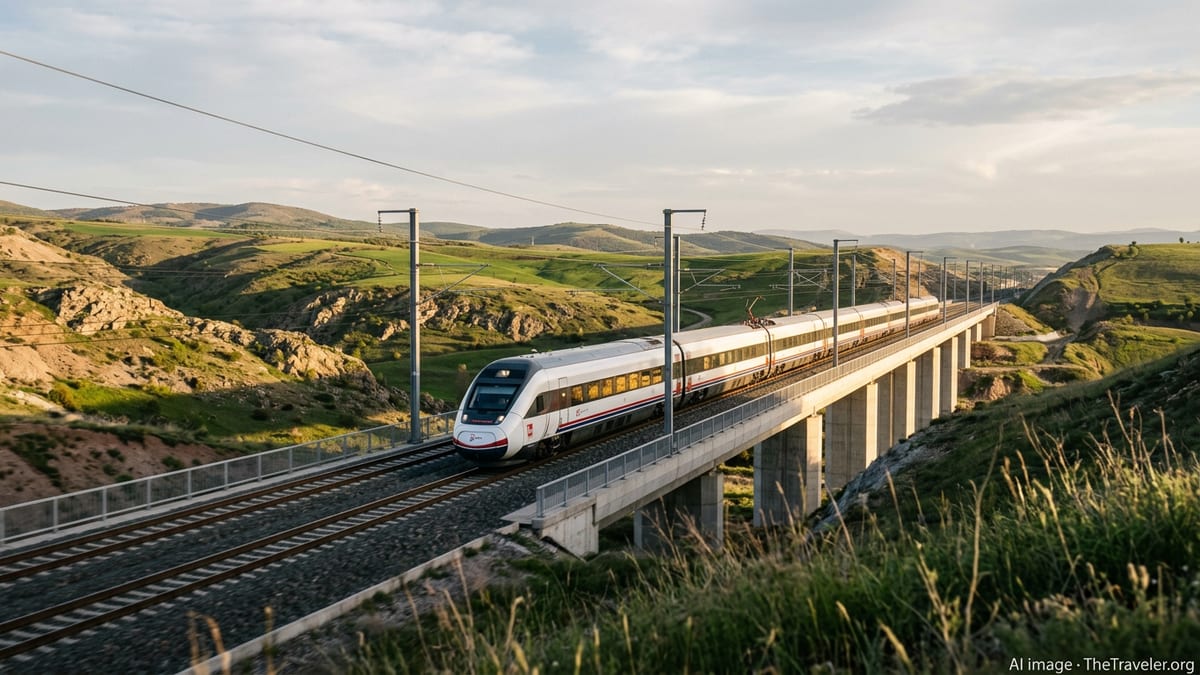
New Branch Connects Gebze to Wider Regional Network
Recent coverage from regional media in Kocaeli highlights the signing of a construction contract for a new Gebze metro branch designed to connect the Gebze area with a future line toward Sabiha Gökçen Airport. The project focuses on a Gebze Çayırova Birlik Organized Industrial Zone light rail alignment that will tie directly into the under construction Gebze Darıca metro, often referred to as the Gebze Metro.
According to publicly available project descriptions, the existing main metro axis in Gebze runs between the Gebze Organized Industrial Zone and Darıca’s coastal district, with an interchange at Gebze Gar station for Marmaray commuter services. The new branch will build on this backbone, adding a further rail link inland that supports both industrial zones and residential districts clustered along the highway between Gebze and Istanbul.
Reports indicate that the contract covers the first stage of a wider scheme to create a continuous metro route from Gebze toward the airport. In practical terms, the new branch will act as a bridge between the currently advancing Gebze Darıca metro tunnels and a separate metro alignment that is planned to run westward toward Sabiha Gökçen, eventually joining the fast expanding rail hub on Istanbul’s Asian side.
Once completed, the combined effect of the main line and the new branch is expected to significantly change how commuters move between Gebze’s dense industrial zones, Darıca’s coastal neighborhoods, and the airport. For international travelers and domestic business passengers, the project opens the prospect of boarding the metro close to major factories or residential districts in Gebze and reaching flight check in via a largely seamless rail journey.
Scope of the Contract and Technical Focus
Details emerging from local transport reporting describe the new contract as a large scale infrastructure and systems package, with a multi billion lira value and a focus on heavy civil engineering, track, and power systems. The alignment will follow a corridor serving Gebze, Çayırova, and the Birlik industrial area, forming a dedicated branch that integrates physically and operationally with the Gebze Darıca line.
The contract is understood to include tunnel construction, stations and associated structures, and the key electrical and signaling systems needed to run metro services. While the exact station list for the branch continues to be refined at technical level, the emphasis is on serving high demand industrial zones that currently rely heavily on road traffic, along with residential districts experiencing rapid growth.
Publicly available materials on the wider Gebze metro scheme show that the main line uses twin bore tunnels, modern metro platforms, and full systems integration with the Marmaray commuter rail at Gebze Gar. The newly signed branch contract mirrors this approach, using similar design standards so that future through running or integrated timetables can operate smoothly across both the original line and the extension.
In addition to core metro works, the contract is also expected to include a range of supporting infrastructure such as ventilation shafts, power supply buildings, and maintenance access. These elements are essential to sustaining high frequency metro operations in a corridor expected to attract strong peak hour demand from both shift workers and office commuters.
Travel Time Gains for Commuters and Air Passengers
For travelers, the significance of the newly contracted Gebze metro branch lies above all in travel time savings and reliability. Current journeys from many parts of Gebze and Çayırova to Sabiha Gökçen Airport rely heavily on road based transport, with congestion at motorway interchanges frequently extending journey times during peak hours.
With the main Gebze Darıca metro line now structurally advanced and planned to open in stages, the network is already projected to cut road travel between Gebze’s organized industrial zones, the city center, and the coast. The new branch magnifies these benefits by pointing the system directly toward the airport corridor, allowing travelers to bypass some of the most heavily used road sections.
Available planning documents for the Gebze metro corridor highlight expectations of substantial economic gains from time savings and reduced vehicle operating costs over the coming decades. By channeling more commuter and airport bound trips onto rail, the new branch is also expected to reduce local air pollution and noise generated by bus and private car traffic, particularly near densely populated neighborhoods along the route.
For industrial employers in Gebze and Çayırova, a direct rail link to both Marmaray and the future airport metro section is likely to become a competitive advantage. Easier recruitment from a wider labor market and more reliable staff arrival times are among the anticipated benefits, particularly for plants working multiple shifts around the clock.
Integration with Existing and Planned Lines
The Gebze metro branch contract is part of a broader strategy to knit together multiple rail projects in the Kocaeli and Istanbul regions. The Gebze Darıca line itself is designed around a central interchange at Gebze Gar, where passengers can switch to the Marmaray line that skirts the Sea of Marmara and connects directly into central Istanbul.
At the other end of the network, Sabiha Gökçen Airport is already a strong node in Istanbul’s metro system, with existing lines and further extensions bringing airport passengers into the wider urban rail grid. The newly contracted Gebze branch sits between these two poles, effectively stitching Gebze’s local metro grid into the transregional rail web that links Kocaeli and Istanbul.
Publicly available information on future rail corridors in the region suggests that additional connections may be explored over time, including further links into Kocaeli’s planned lines serving Izmit and the broader Gulf of Izmit area. In that context, the Gebze branch contract is one piece of a multi year effort to move more of the region’s mobility needs onto rail, as population and industrial activity continue to grow.
For visitors, expatriate workers, and frequent flyers, this integrated approach means that itineraries based on metro and commuter rail become more practical. It becomes easier to imagine arriving at Sabiha Gökçen, boarding a metro service into Gebze, and connecting there to other lines serving coastal areas, industrial zones, or even further trips by high speed rail.
What the New Branch Means for Travelers
While heavy construction will bring temporary disruption around work sites, the long term implications for travelers are largely positive. Residents in Gebze, Çayırova, and nearby districts can expect more predictable journey times to both local employment centers and the airport, reducing reliance on long bus rides or private car trips during crowded peak periods.
For domestic and international visitors using the airport as a gateway to Kocaeli’s industrial zones or nearby coastal resorts, the new branch promises clearer and more convenient journeys. Instead of juggling multiple bus transfers on unfamiliar roads, future passengers will be able to follow a relatively straightforward metro based route between terminal and destination.
As with many large rail infrastructure projects, the full benefits of the Gebze metro branch will emerge progressively as each section opens and more services are added. The signing of the latest construction contract marks a critical step in that process, signaling that the branch from Gebze toward the airport oriented corridor is moving from planning tables into active delivery.
For TheTraveler.org readers planning trips that combine Istanbul’s urban attractions with visits to Kocaeli’s industrial hubs or coastal districts, the evolving metro network in and around Gebze will be a development to watch closely in the coming years.