


More news on this day
A new technical issue at the UK’s National Air Traffic Services (NATS) early Monday disrupted air traffic in parts of the country, prompting flight delays and cancellations that rippled across airports in Scotland, Northern Ireland, and northern England.
Get the latest news straight to your inbox!
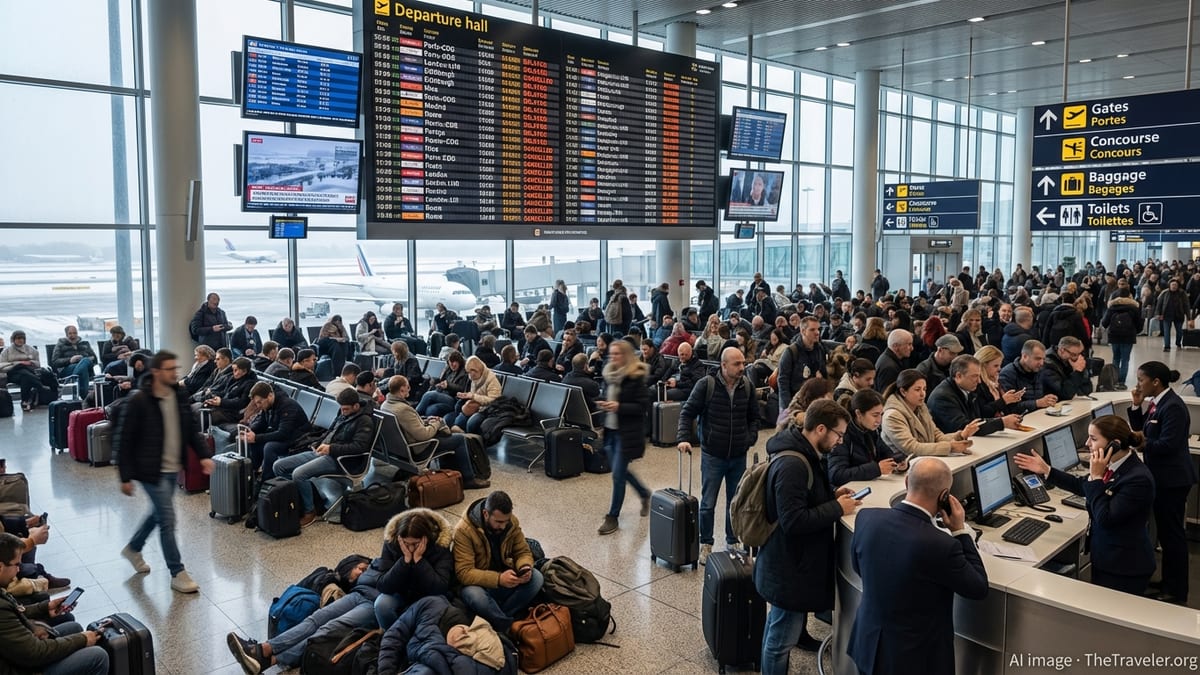
What happened at NATS and which areas were affected
Published coverage indicates the problem occurred at NATS’ Prestwick centre in Scotland on Monday, September 21, 2026. NATS described the event as a technical issue, and later indicated the fault had been fixed while work continued to remove remaining air traffic restrictions safely.
Disruption was concentrated on flights operating to and from airports in Scotland and Northern Ireland and on services heading north in England. Reports indicated airports south of Manchester were broadly less affected, while routes involving northern airspace experienced delays, cancellations, and re-routings as traffic management measures were put in place.
NATS’ public messaging around the incident emphasized that restrictions are applied to manage traffic safely during a system issue and then stepped down in coordination with airports and airlines once systems are stable. Travelers were advised to check directly with their airline for the most current flight status and rebooking options.
Scale of disruption: cancellations and knock-on delays
By late afternoon Monday, analytics cited in published reporting showed hundreds of flight cancellations tied to the day’s disruption, with Manchester, Belfast International, Edinburgh, and George Best Belfast City among the airports seeing the most significant impacts. The operational effects were expected to persist into the end of the day even after the technical issue was resolved, reflecting how tightly scheduled airline networks can take time to recover.
For travelers, that can mean more than just a delayed departure time. Aircraft and crews may be out of position after a wave of cancellations, and inbound flights may arrive late, compressing turnaround times and triggering further delays across the same airline’s schedule.
Airlines also face constraints beyond the immediate region. If a carrier’s aircraft rotation includes legs to and from affected airports, the disruption can propagate to other cities as aircraft and crew duty-time limits come under pressure, sometimes resulting in additional cancellations later in the day.
Why this incident is drawing extra attention after earlier September disruption
This latest disruption comes after another high-profile NATS technical incident earlier in September that affected UK air traffic. NATS recently published a preliminary report on the September 8, 2026 event, which described a software-related issue impacting flights handled through the London Area Control function, and it outlined how restrictions were applied across the UK as systems were restarted and flight data reloaded.
The new Prestwick-centre issue is separate in location and described differently in early reporting, but the proximity of the events has renewed attention on the resilience of air traffic management technology and operational procedures, particularly during busy travel periods.
In Parliament, publicly available records from mid-September discussions referenced the September 8 disruption and noted NATS’ view that the earlier incident was technical and not believed to be cyber-related. That context has shaped public interest in how quickly systems can be stabilized and restrictions lifted when a fresh fault appears.
What passengers should do now: rebooking, refunds, and care during delays
Travelers affected on Monday should monitor their airline’s app and airport departure boards closely, since re-timings and gate changes can occur as restrictions are eased and schedules are rebuilt. If you have a connection through an affected airport, it may be worth checking earlier flights in the same travel window and requesting proactive rebooking rather than waiting until the airport.
For passengers stuck at an airport during a delay, the UK Civil Aviation Authority has recently reiterated that airlines are expected to provide care and assistance when disruptions occur, including meals, refreshments, and hotel accommodation when an overnight stay becomes necessary, proportionate to the length of the delay.
Compensation can be more complex and depends on the cause of the disruption and the applicable consumer rules for your itinerary. Recent CAA guidance tied to the earlier September NATS disruption highlighted airlines’ obligations to look after passengers during delays even when compensation eligibility may be disputed. Travelers can strengthen any later claim by saving receipts, documenting delay times, and keeping written confirmation of rebooking or cancellation where available.
What to watch next for UK travelers
Flight operations typically normalize in stages after a traffic-management event: first by lifting restrictions, then by clearing backlogs of departures, and finally by repositioning aircraft and crews. Travelers booked to fly later Monday or on Tuesday from airports in Scotland, Northern Ireland, or northern England may want to consider extra buffer time, especially if their itinerary includes tight connections.
Additional reporting may emerge in the coming days on the technical root cause at Prestwick and whether any operational changes are recommended. For now, the most practical step for travelers is to follow airline rebooking guidance, confirm baggage policies if rerouted, and double-check onward transport plans such as trains, car rentals, or pre-paid airport transfers in case arrival times shift.