


More news on this day
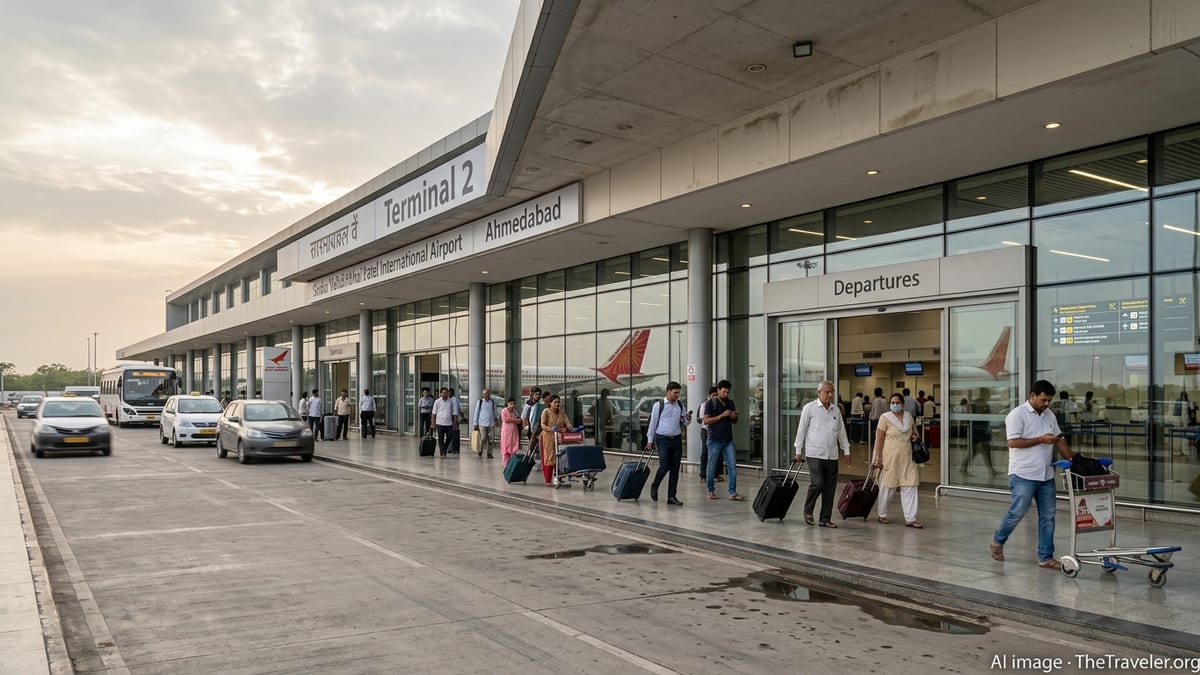
Diwali holiday plans for hundreds of flyers out of Ahmedabad have been thrown into disarray after multiple last-minute SpiceJet cancellations and long delays left passengers stranded at Sardar Vallabhbhai Patel International Airport over the key festive weekend.
Get the latest news straight to your inbox!
Multiple routes hit as festive rush peaks
Reports from local and national outlets indicate that cancellations and heavy delays began to mount at Ahmedabad on Saturday 7 November, just as outbound Diwali traffic from Gujarat surged toward destinations across India. Coverage from regional media described scores of SpiceJet passengers waiting for hours in the domestic terminal with little clarity on whether their flights would operate.
Services on busy seasonal routes from Ahmedabad toward Kerala, eastern India and the northeast were among those affected, with flights to Kochi, Patna and Bagdogra repeatedly cited in published accounts. Travellers who had timed departures to coincide with school holidays and pre-festival family gatherings found themselves searching late in the day for scarce seats on rival carriers.
Diwali typically drives one of the heaviest travel periods of the year from Ahmedabad, a key hub for western India. Publicly available aviation data show that Sardar Vallabhbhai Patel International Airport handles a dense bank of evening departures, meaning disruption on a single carrier can ripple quickly across the schedule as aircraft and crews fall out of rotation.
Information on the precise number of affected flights from Ahmedabad over the Diwali weekend remains fragmented, as official tallies are not yet available. However, cross-checks of airline schedule trackers, local newspaper coverage and social media posts all point to a concentrated cluster of SpiceJet cancellations and protracted delays tied to the festive rush.
Passengers face high walk-up fares and limited options
For many travellers, the immediate consequence of the cancellations was a sharp jump in costs. With Diwali departures from Ahmedabad already heavily booked, remaining same-day and next-day tickets on other airlines were reported at several times advance-purchase prices, putting alternative travel out of reach for some families.
Those who did manage to secure fresh tickets often had to accept inconvenient routings, including red-eye departures, multi-stop itineraries through Mumbai or Delhi, or travel to secondary airports several hours from their intended destination. Others opted to cancel trips entirely, particularly when the disruption affected short festival breaks of only a few days.
Ground transport alternatives were also strained. Intercity bus operators serving popular festival corridors from Gujarat toward Rajasthan, Maharashtra and Uttar Pradesh tend to run near capacity around Diwali. Travellers attempting a last-minute switch from air to road frequently encountered sold-out services or premium holiday pricing, compounding the impact of the flight disruptions.
For outbound international passengers originating in Ahmedabad and connecting via other Indian hubs, last-minute cancellations created the risk of missed long-haul flights. Travel agents monitoring the situation reported that some passengers chose to rebook their entire journey on different airlines rather than rely on tight domestic connections during the period of instability.
Communication gaps and evolving passenger expectations
Much of the frustration reported at Ahmedabad has centred on perceived shortcomings in communication. Several passengers described learning about cancellations only after reaching the airport or during extended waits at the gate, despite Indian regulations that call for timely information when a flight is curtailed.
Civil Aviation Requirements issued by India’s aviation regulator set out clear expectations for airlines when flights are cancelled or heavily delayed, including advance notice where possible and defined options for refunds or rebooking. Public commentary around the Ahmedabad disruptions suggests that many travellers are increasingly aware of these entitlements and are more willing to invoke them when holiday plans are jeopardised.
At the same time, fragmented booking patterns can complicate the process. A significant share of Indian domestic tickets are purchased through online travel agencies and third-party platforms, creating an extra layer between airlines and customers. When schedules change close to departure, passengers sometimes receive mixed or delayed messages from different intermediaries, as seen in anecdotal accounts linked to the Ahmedabad events.
The Diwali episode feeds into a broader national conversation about reliability in the low-cost segment of India’s aviation market. Comment threads, consumer forums and prior incidents at other major airports show rising impatience with last-minute operational changes, particularly when they coincide with peak travel periods such as Diwali, Chhath Puja and summer holidays.
Operational strain and the wider SpiceJet backdrop
The Ahmedabad cancellations come against a backdrop of continuing operational and financial challenges for SpiceJet. Publicly available company filings and regulatory documents over recent years have highlighted pressures linked to aircraft availability, legal disputes and efforts to raise fresh capital, even as the carrier continues to serve a large domestic network that includes Ahmedabad.
Earlier disruptions at other Indian airports have drawn attention to the vulnerability of tightly scheduled fleets when technical issues, weather or air traffic constraints arise. When an airline has limited spare aircraft and crews, a delay or cancellation on one sector can cascade across the day’s rotations, which appears consistent with patterns seen in some recent SpiceJet operational incidents documented at Mumbai and Delhi.
Aviation analysts observing the Diwali travel window note that sudden spikes in demand can stretch resources further, particularly for carriers working through fleet changes or maintenance backlogs. While publicly available data do not yet provide a full technical explanation for each Ahmedabad cancellation over the festival weekend, the concentration of disruptions on a single carrier suggests that internal operational constraints played a significant role.
The situation also raises questions for airport stakeholders in Ahmedabad, which hosts services from multiple domestic and international airlines. When one operator experiences sustained disruption during a peak period, shared infrastructure such as check-in counters, security lanes and gate areas can quickly become congested, affecting the overall passenger experience.
What affected passengers can realistically do now
For travellers whose Diwali plans were marred by cancellations at Ahmedabad, the primary recourse in the near term lies in the options listed in airline communications and outlined in India’s passenger-rights framework. Where flights are cancelled by the airline, travellers are generally entitled to either a full refund or an alternative flight, subject to conditions on timing and availability that vary by case.
Consumer advocates typically advise passengers to retain all booking records, check-in confirmations and receipts for any additional expenses such as hotels or meals incurred because of the disruption. Although reimbursement for consequential costs is not automatic under Indian rules, detailed documentation can be important if travellers later pursue complaints through the airline’s customer channels, escalation portals or consumer dispute mechanisms.
Those who booked SpiceJet tickets from Ahmedabad via online travel agencies or travel agents are often required to initiate changes or refund requests through the same channel. This can add time to the process during busy periods, and some passengers have reported confusion when airline and intermediary policies differ. Careful review of fare conditions and any add-on flex or insurance products is therefore critical before accepting or rejecting proposed alternatives.
Looking ahead to Christmas, New Year and next year’s Diwali season, the Ahmedabad disruptions are likely to influence booking behaviour. Travel planners and frequent flyers commenting publicly on the episode have emphasised strategies such as building longer connection buffers, avoiding the last departure of the day on critical routes, and diversifying carriers for family trips that hinge on fixed festival dates.