


More news on this day
Multiple governments have renewed or tightened travel alerts for the Middle East in recent days, urging travelers to exercise increased caution or reconsider nonessential trips as regional tensions and military activity continue to unsettle popular transit hubs and holiday destinations.
Get the latest news straight to your inbox!
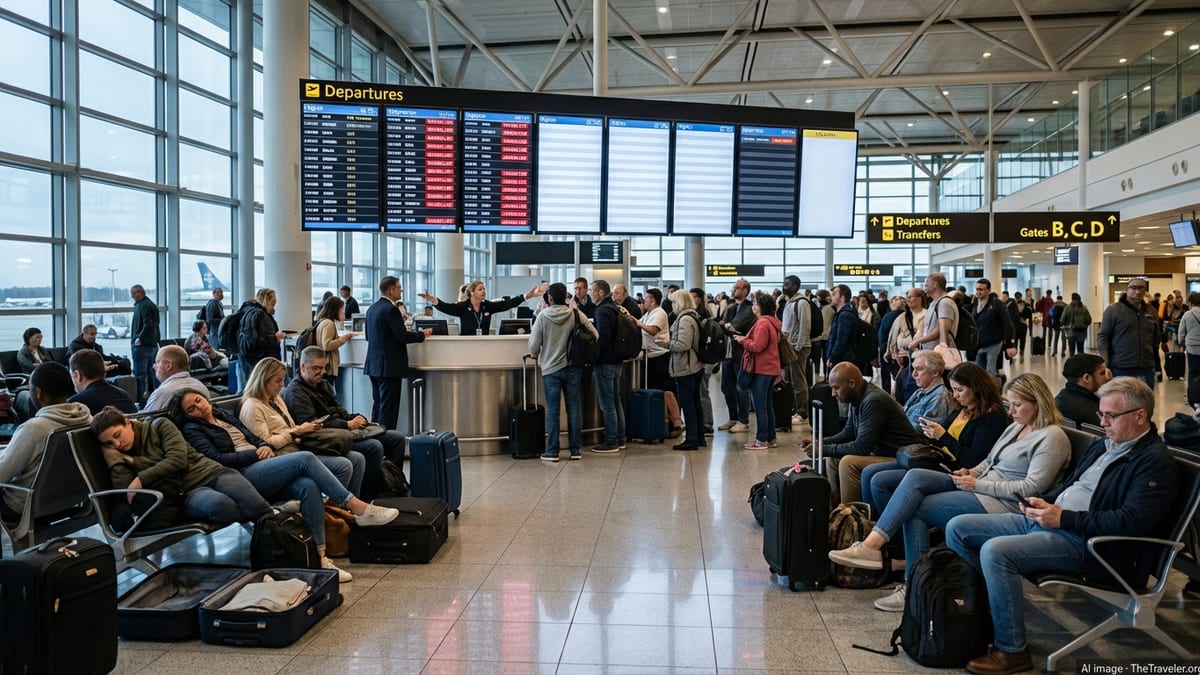
Fresh Worldwide Warnings Highlight Regional Tensions
Publicly available notices from several foreign ministries show a new round of caution directed at travel in and through the Middle East. The latest shift is led by the United States, which has issued a global security alert emphasizing that heightened tensions in the region could trigger sudden changes in the threat environment and transport disruptions for travelers worldwide.
The worldwide alert underscores that Americans abroad, particularly those in the Middle East, should remain alert to the possibility of rapid escalation and localized unrest. It follows months of region-specific advisories that already placed many Middle Eastern destinations at higher warning levels due to risks linked to terrorism, armed conflict, and civil unrest.
These alerts, while not outright bans on travel, amount to a clear signal that governments again view the region as a potential flashpoint capable of affecting aviation routes, cruise itineraries, and overland connections far beyond individual conflict zones.
Country-Level Advisories Tighten Across the Region
Country-specific advisories published by the United States indicate that several Middle Eastern destinations remain at elevated warning levels. Many are categorized under “reconsider travel” or “do not travel” guidance due to a combination of security threats that include terrorism, cross-border attacks, and the possibility of sudden eruptions of violence.
Recent updates have focused particular attention on locations such as Israel, the West Bank and Gaza, Lebanon, and the Gulf states, where security conditions are described as complex and changeable. Public information notes that nonessential government personnel have been authorized or ordered to depart certain posts, a step that typically signals concern about the operating environment and the reliability of local infrastructure in a crisis.
In several Gulf countries, official material highlights the risk that wider regional confrontations could spill over into missile or drone activity, restrictions on airspace, or interruptions to key transit corridors. For travelers, the practical effect is renewed uncertainty over whether commercial flights and regional connections will continue to operate normally if tensions rise.
European Governments Recalibrate but Urge Vigilance
Travel guidance from European governments presents a mixed picture, with some foreign ministries slightly easing restrictions for limited areas while maintaining strong warnings overall. Coverage in European media indicates that the United Kingdom has recently downgraded certain advisories after reviewing its risk assessments, even as it continues to caution against travel to areas considered close to active conflict or recurrent rocket fire.
Other European states remain more conservative. Publicly available information from Ireland’s Department of Foreign Affairs, for example, continues to advise against nonessential travel to several Gulf and Levant countries and maintains stronger “do not travel” recommendations for destinations viewed as directly affected by regional conflict. These notices often cite the possibility of further deterioration in security, airspace closures, and constraints on consular access.
The net effect for European travelers is a patchwork of guidance that can differ significantly by nationality. While a UK-based traveler might find some routes technically permissible, an Irish or other EU passport holder could still be advised to avoid the same destinations unless travel is deemed essential.
Impact on Flights, Transit Hubs, and Itineraries
Beyond security concerns on the ground, the latest alerts highlight risks to air travel and key transit hubs that many long-haul passengers use to connect between Europe, Asia, and Africa. Government advisories and recent media coverage both reference the potential for sudden airspace restrictions, diversion of commercial flights, or reduced schedules if tensions intensify.
Major airports in the Gulf and eastern Mediterranean serve as global connectors, and any disruption there can ripple through airline networks worldwide. Past incidents of missile or drone activity, as well as previous rounds of regional conflict, have already shown how quickly carriers can reroute or cancel services when risk assessments change.
For tour operators and cruise lines, the advisory environment adds another layer of uncertainty to itineraries that include regional ports or shore excursions. Companies may adjust routes, reduce time in certain cities, or substitute alternative ports if local conditions deteriorate or if customer confidence in the safety of a particular stop falls.
What Travelers Are Being Urged to Do Now
Across the various advisories, several consistent themes emerge for travelers who still plan to visit or transit the Middle East. Governments are emphasizing the importance of closely monitoring official travel advice, registering with consular services when available, and staying abreast of local developments through reliable news sources and embassy notices.
Public guidance also stresses practical contingency planning. Travelers are encouraged to maintain flexible itineraries, be prepared for schedule changes, and ensure they have adequate travel insurance that covers disruption related to security incidents. Those already in higher-risk areas are being urged to identify shelter options, review personal security routines, and keep copies of key documents readily accessible.
For would-be visitors contemplating new trips, the renewed warnings function as a prompt to weigh the appeal of Middle Eastern destinations against an environment that officials describe as volatile and prone to rapid change. While tourism continues in many parts of the region, the latest alerts make clear that another period of heightened caution has arrived for international travel into one of the world’s most strategically sensitive corridors.