


More news on this day
Spring break travel across the United States is tilting toward major cities in 2026, with New York City emerging alongside Austin, Los Angeles, Chicago and Miami as in-demand urban escapes for travelers seeking culture, dining and nightlife in place of traditional beach-only breaks.
Get the latest news straight to your inbox!
Urban Destinations Take Center Stage This Spring
Published coverage from travel industry trackers indicates that demand for domestic trips in spring 2026 is running ahead of last year, with city breaks gaining ground on long-haul and overseas itineraries. Data from insurers and booking platforms shows many Americans rethinking European plans amid higher costs and geopolitical uncertainty, with more spending redirected to domestic urban stays instead.
New York City, Austin, Los Angeles, Chicago and Miami stand out in this shift, appearing frequently in recent trend reports as top or fast-rising choices for spring getaways. These metropolitan hubs combine warm or mild weather with entertainment, sports and food scenes that beach resorts alone cannot match, drawing both college students and families looking to pack more experiences into a week off.
Transportation statistics support the pivot toward large city systems. Federal planning documents released in early 2026 point to sustained growth trajectories at major hubs including Los Angeles, Chicago, Miami, Austin and the New York region, reflecting both population growth and robust visitor flows. Domestic air travel volumes continue to concentrate around these gateways during peak periods such as spring break, reinforcing their role as anchors for new travel patterns.
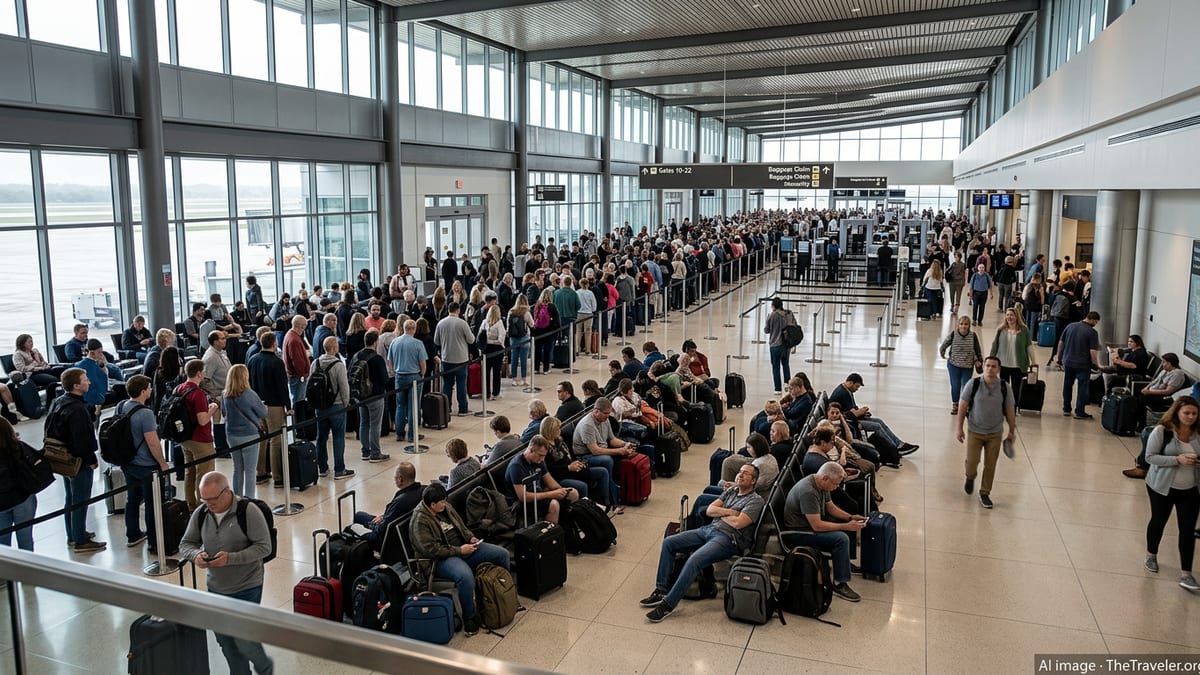
TSA projections and airline statements ahead of the March and early April rush describe a record or near record number of passengers this spring, even as storms and staffing pressures complicate operations. That surge is being felt most acutely at major coastal and Sun Belt cities, where urban spring break trips now compete directly with traditional resort packages.
New York City Emerges as a Spring Break Hotspot
Long viewed primarily as a winter holiday and summer tourism magnet, New York City is increasingly featured in spring break roundups from travel agencies and clubs. Prior seasonal lists from large auto and travel associations already placed the city among the top ten domestic destinations for March and April trips, and newer 2026 commentary highlights a strengthening return of international visitors layered on top of robust domestic demand.
Booking analyses cited by fare-tracking outlets show New York tied into many of the spring’s priciest early April routes, particularly to and from warm-weather markets such as Miami. Average round trip fares on some New York to Florida corridors spike during the core spring break weeks before easing late in the month, a pattern that underscores how many travelers are now weaving New York into their vacation plans despite higher prices.
Hotel and short term rental data from regional research updates suggest that city stays are benefiting from an extended season around the Easter holiday, which in 2026 has pushed some school breaks deeper into April. Industry observers note that New York’s dense mix of museums, Broadway shows, arena concerts and neighborhood dining tours allows visitors to justify the higher costs by packing itineraries with once in a year experiences.
Travel marketing analysts also point to the influence of streaming and pop culture on New York’s appeal. Several major platforms have reported that so called set jetting, where viewers travel to locations popularized on television and film, is still shaping city trip ideas in 2026, with New York often at the center of storylines and backdrops.
Sun, Soundtracks and Street Life in Miami and Los Angeles
While New York gains ground, Miami and Los Angeles remain fixtures of spring break coverage, now framed as part of a broader urban trend rather than exclusively as gateways to beaches. Recent travel advisories and local reporting describe heavy passenger flows into South Florida airports through March, with Miami Beach and neighboring communities drawing both nightlife travelers and families.
Online forums and community guides circulating this season portray Miami as more than a party strip, with visitors highlighting walkable downtown districts, food scenes and cultural institutions alongside South Beach clubs. At the same time, authorities in some Florida destinations have tightened beach regulations in response to crowd concerns, a factor that may be subtly nudging some visitors toward more city centered itineraries during their stay.
On the West Coast, Los Angeles is benefiting from overlapping trends. Transportation planning documents project strong growth in passenger volumes through Los Angeles International Airport over the next decade, and 2026 travel commentary links that to both traditional tourism and a wave of event focused trips. Entertainment calendars filled with concerts, sports tournaments and studio tours give spring breakers a slate of marquee experiences, while coastal neighborhoods still deliver the classic Pacific beachfront setting.
Reports on domestic road travel this April indicate that highway trips into California and Florida are elevated as well, with analysts noting that rising hotel rates in high demand corridors are closely tied to spring break weekends. Budget minded travelers are responding by mixing city stays with nearby day trips, using Los Angeles or Miami as bases for coastal drives and outdoor excursions.
Austin and Chicago Attract Culture Seekers and Sports Fans
Austin and Chicago, both central nodes in national airline networks, are also seeing a spring bump from travelers chasing live music, festivals and sports. Flight and airport statistics for Austin show steady increases in passenger numbers and a widening list of nonstop routes, developments that tourism researchers say help convert interest in the city’s music, food trucks and outdoor spaces into actual bookings.
Spring 2026 event calendars amplify Austin’s appeal, with a packed lineup of shows, tech gatherings and regional festivals occurring around university breaks. Travel search data shared by hotel and booking platforms reflects that pattern, pointing to spikes in interest around major performances and sports weekends that coincide with spring vacations.
Chicago, meanwhile, benefits from its role as a major connecting hub and a destination in its own right. Federal aviation tables and airport records list Chicago O’Hare among the nation’s busiest facilities, with New York and Los Angeles ranking among its top domestic routes. That connectivity helps funnel spring break travelers into the city for long weekends built around basketball and hockey games, museum visits and emerging food districts.
Industry commentators note that Chicago’s cooler early spring weather has not deterred visitors who prioritize architecture tours, riverfront walks and indoor cultural attractions over poolside time. Paired with improving hotel deals outside the very peak March period, the city is positioned as a value alternative for travelers comparing prices with coastal hotspots.
Price Sensitivity and Flexible Timing Shape New Travel Patterns
Behind the shift toward these major cities is a heightened focus on timing and price. Analyses of domestic airfare trends for March and April 2026 show that average round trip costs across popular routes are slightly lower than last year, yet still volatile during peak weeks. Reports highlight sharp differences between early and late April fares on city pairs such as New York to Miami or Los Angeles to Chicago, with prices sometimes dropping by a third once the heaviest spring break demand passes.
Travel advisories and consumer guidance published this season consistently recommend that flexible travelers target the back half of April for cheaper city breaks. Analysts point to a post Easter lull combined with schools returning to session as key factors that ease pressure on flights and hotel inventory across New York, Austin, Los Angeles, Chicago and Miami.
Insurance and booking data also shows that trip budgets for domestic travel in April and May 2026 are higher than a year ago, reflecting both inflation and a willingness among travelers to spend more to stay closer to home. With higher per trip costs, travelers are more carefully comparing what each destination can offer across nightlife, food, cultural institutions and nearby nature access.
For New York City and its peer urban hubs, these conditions are reinforcing a new model of the spring break trip. Instead of a single resort stay, many visitors now design multi stop itineraries or select a city that allows them to experience concerts, sports, museums and dining scenes in one compact period, a pattern that reports suggest is likely to persist beyond this year’s season.