


More news on this day
Travellers using Newcastle Airport are experiencing disruption on several popular European routes, with delays affecting flights to Amsterdam, Alicante, Paris and other key summer destinations as wider congestion in the European network spills into the North East hub.
Get the latest news straight to your inbox!
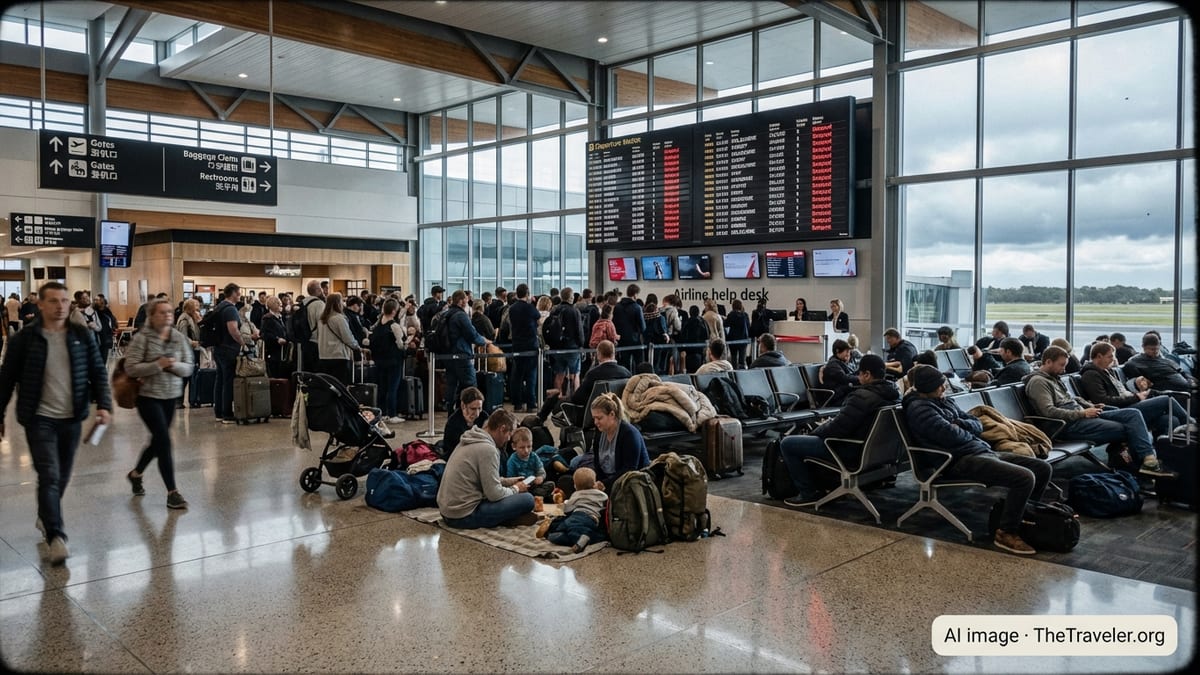
Knock-on disruption for Amsterdam, Alicante and Paris services
Live departure data and recent reports indicate that services from Newcastle to major hubs including Amsterdam Schiphol, Alicante and Paris Charles de Gaulle have been subject to recurrent delays in early June, affecting morning and daytime departures. Amsterdam, a key transfer point for global connections, has seen multiple Newcastle rotations leave later than scheduled, lengthening journey times for passengers with onward flights.
Newcastle’s growing leisure network has also been impacted, with departures to Spanish holiday favourite Alicante among those reporting schedule slippage. For many travellers, even modest delays can translate into reduced time at resorts or missed ground transfers, increasing pressure at the start of the summer season.
Paris services, operated under a mix of Air France and codeshare arrangements, have similarly experienced schedule changes and late departures on some rotations. Industry tracking platforms show instances where Newcastle to Paris and Paris to Newcastle legs have both departed behind time, highlighting how disruption at one end of the route can quickly feed through to the other.
The pattern reflects the tight turnarounds common on short haul European routes. When an inbound aircraft from a major hub such as Amsterdam or Paris arrives late into Newcastle, the aircraft and crew often continue straight back out on the next scheduled service, leaving limited margin to recover lost time.
European network pressures feed into regional airports
While Newcastle itself has not reported major local operational issues, publicly available aviation data shows that wider network pressures in Europe are contributing to knock-on disruption. Amsterdam Schiphol has recently recorded elevated levels of departure delay on some days as security queues, air traffic control regulations and busy peak schedules place strain on punctuality.
Paris Charles de Gaulle and other French airports have also continued to navigate periods of congestion, closely managed airspace and weather-related restrictions, which can reduce the number of movements permitted per hour. When these constraints are in place at large hubs, airlines often absorb delay at the origin airport to avoid excessive holding in the air or missed slots on arrival.
Industry punctuality reports for early 2026 point to an overall improvement in on time performance across Europe compared with previous years, but they also highlight that large hub airports remain particularly sensitive to spikes in demand and operational constraints. On busy summer travel days, relatively small disruptions can cascade quickly along tightly timed networks.
For regional airports such as Newcastle, which depend heavily on feed from one or two major hubs for both business and leisure traffic, this dynamic means that local schedules can be affected even when conditions on the ground in the North East are stable.
Growing summer traffic increases vulnerability to delays
Newcastle Airport has prepared for a busy 2026 season, with earlier forecasts pointing to record traffic over the Easter period and a strong schedule of flights to key sun destinations including Alicante, Malaga, Faro and Malta. As airlines ramp up capacity into the summer, runway and terminal utilisation at both Newcastle and its European partners naturally rises.
Higher passenger volumes place additional pressure on check in, security and boarding processes across the continent, especially during early morning peaks that are popular with leisure travellers starting short breaks and package holidays. If boarding takes longer than planned or airport processes slow, departure times can slip and aircraft can miss allocated slots in the wider air traffic system.
The concentration of flights to hubs such as Amsterdam and Paris in specific morning and evening banks further increases vulnerability. A delay affecting an early rotation can echo across successive services throughout the day if there is insufficient slack in the timetable for aircraft or crew to catch up.
With the main school holiday period still to come, aviation analysts expect that the combination of strong demand, constrained airport capacity at some European hubs and the possibility of localised weather or air traffic restrictions will keep punctuality under pressure on popular routes from Newcastle, especially to mainland Europe.
What passengers flying from Newcastle can expect now
For travellers departing Newcastle in the coming days, publicly available flight tracking suggests that most services remain operational, but with a heightened risk of moderate delays on some European routes. Routes via Amsterdam and Paris that feed into wider international networks may be particularly exposed, given their dependence on on time hub operations and aircraft rotations from previous sectors.
Passengers connecting onwards from these hubs are likely to feel the impact most acutely. Even a short delay leaving Newcastle can tighten connection windows at busy transfer airports, especially during peak periods when queues at passport control, security re screening or gate changes add further unpredictability.
Travel industry guidance generally recommends that passengers build in generous connection times when planning itineraries through major European hubs, particularly during the summer season. In the current environment, itineraries that rely on very short minimum connection times may carry an elevated risk of missed onward flights if disruptions persist.
Package holidaymakers heading to destinations such as Alicante may experience annoyance rather than missed connections, but delays can still result in late night arrivals, rescheduled transfers or changes to planned activities on the first day of a trip.
Newcastle’s role in a stressed European air travel system
The current pattern of disruption underlines how regional airports like Newcastle are closely integrated into the wider European air transport system. Even when local operations run smoothly, events at distant hubs, airspace restrictions or shifting weather systems can produce secondary delays hundreds of miles away.
Industry bodies have repeatedly highlighted that Europe’s air traffic network is operating close to capacity at peak times, limiting the ability of airlines and airports to absorb disruption without knock on effects. When a busy hub such as Amsterdam or Paris faces temporary constraints, regional spokes like Newcastle often see schedules adjust as carriers attempt to rebalance aircraft and crews.
For passengers in North East England, that means that flights to Amsterdam, Alicante, Paris and other popular destinations may continue to be vulnerable to short notice delays, especially on high demand days. While most services are still operating, the current spell of disruption shows how quickly a tightly connected network can feel the strain as the summer season gathers pace.