


More news on this day
Australia has raised its travel advisories for Jordan, Oman and Saudi Arabia to Level Three, urging citizens to reconsider their need to travel as the wider Middle East grapples with heightened military tensions, airspace disruptions and uncertainty for tourists and business travellers in 2026.
Get the latest news straight to your inbox!
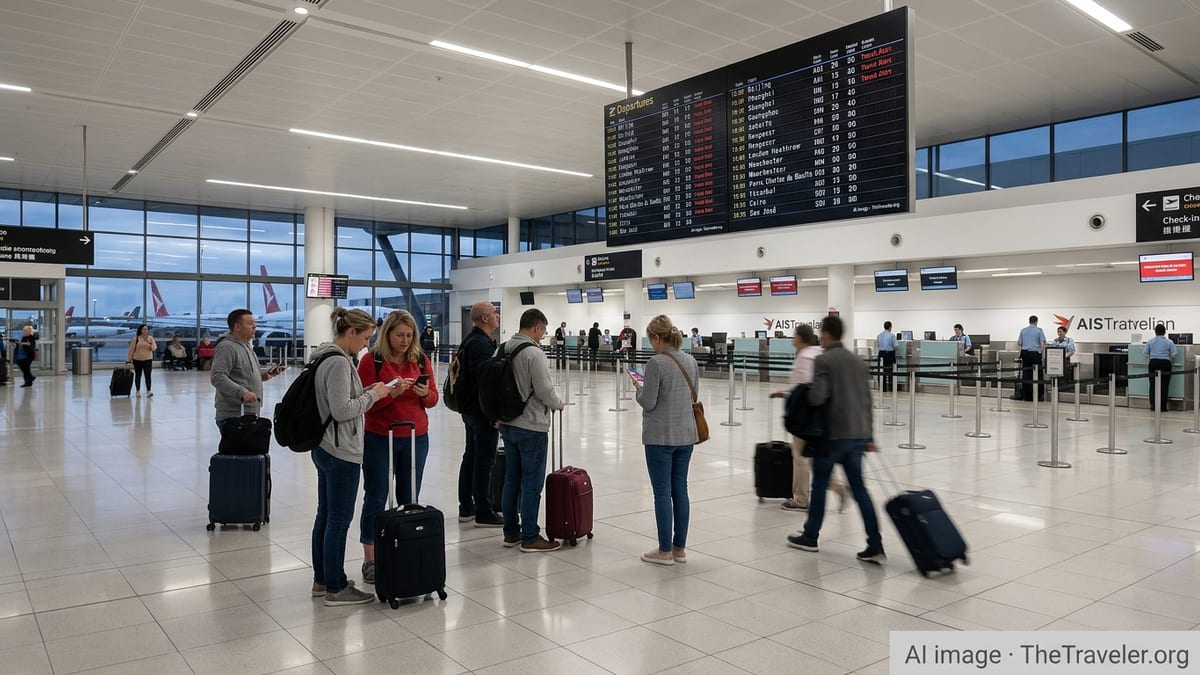
Level Three Warning Explained
The Australian Government uses a four-tier system to describe overseas risk, with Level Three representing a high degree of concern. Publicly available guidance explains that a Level Three advisory, described as “reconsider your need to travel,” signals a significantly elevated security or operational risk when compared with destinations where travel proceeds as normal. Earlier departmental material and policy documents note that Level Three destinations can require additional risk assessments and contingency planning for any official or essential trips.
Current Smartraveller listings show Jordan, Oman and Saudi Arabia at Level Three under the Middle East region, following a series of updates in the first half of 2026. Destination pages highlight the potential for sudden changes in the security environment, restrictions on movement, and disruption to commercial aviation across the region. Travellers are advised that routes normally used as gateways or transit hubs can be affected by conflict-related airspace closures, missile threats and military activity.
Australian government crisis information further indicates that travellers who decide to visit or transit a Level Three country are encouraged to minimise time spent in higher risk areas and to avoid non-essential activities. Practical suggestions in official guidance include maintaining flexible itineraries, staying alert to local developments and being prepared for rapid changes in flight schedules or airport operations.
Regional Conflict Drives Elevated Risk
The decision to maintain Jordan, Oman and Saudi Arabia at Level Three in 2026 is closely linked to the wider conflict involving Iran, Israel, the United States and several Gulf states. Publicly available summaries of the 2026 Iran war describe an escalation that began with strikes on Iran in late February, followed by retaliatory missile and drone attacks on targets across the region. Reporting on these events indicates that energy infrastructure, ports, airports and urban areas in parts of the Gulf have been subjected to periodic strikes and attempted attacks.
Open-source timelines of the conflict note that Saudi territory has been hit by multiple Iranian missile and drone strikes since March, in some cases near major cities and industrial facilities. Separate coverage points to threats from armed groups aligned with Iran that have previously targeted cross-border infrastructure and shipping. These dynamics have contributed to concerns about the predictability of air corridors, the safety of critical transport hubs and the risk of spillover incidents affecting civilian travellers.
Although Jordan and Oman have not experienced the same level of direct attack as some neighbours, regional analysis highlights their proximity to conflict zones and their role as logistical and diplomatic hubs. Jordan borders both Iraq and Syria, where armed groups remain active, while Oman sits close to key maritime chokepoints such as the Strait of Hormuz. Authorities and independent observers have warned that tensions in these areas can lead to rapid changes in the local security picture, including short-notice closures of roads, ports or airports and the imposition of curfews or restrictions on public gatherings.
Air Travel and Insurance Complications for Australians
The Level Three advisories for Jordan, Oman and Saudi Arabia come at a time when airlines, insurers and travellers are already navigating unprecedented disruption to Middle East routes. Aviation regulators in Europe and elsewhere have issued guidance in 2026 advising carriers to avoid or carefully manage overflight of certain Gulf airspace due to the risk of long-range missile activity. Industry reporting shows that some international carriers have rerouted or cancelled services, lengthening flight times and reducing capacity on popular connections between Australia, Europe and Africa.
Australian travel insurance advice has also become more complex. Consumer advocates and insurers have recently highlighted that many standard policies contain exclusions for war, civil unrest and travel to destinations under higher-level government advisories. Articles aimed at Australian travellers note that when Smartraveller lists a country at “reconsider your need to travel” or “do not travel,” coverage for claims arising from conflict-related events may be limited or unavailable, even if a trip is technically still possible.
This environment places additional responsibility on travellers to study policy wording and to confirm whether their insurer will provide medical, evacuation or cancellation cover for journeys that include Jordan, Oman or Saudi Arabia. Some specialist products continue to offer broader protection, but expert commentary stresses that these are often more expensive and subject to strict conditions, including requirements to follow government advice and avoid specific regions within a country.
Impact on Tourism, Pilgrimage and Business Travel
The elevated advisories are having a noticeable effect on demand for tourism, religious travel and corporate trips involving Jordan, Oman and Saudi Arabia. Industry coverage suggests that group tours and large events involving Australians have been postponed, rerouted or scaled back, particularly where itineraries rely on multiple regional stopovers. Travel agents have reported clients pausing or cancelling plans involving transits through Gulf hubs, even in cases where flights continue to operate.
Jordan, which relies heavily on international tourism to sites such as Petra, Wadi Rum and the Dead Sea, has faced particular challenges. Regional commentary indicates that while many areas remain calm in day-to-day terms, images of nearby missile launches and security alerts have dampened demand from long-haul markets. Travellers who do proceed are tending to book shorter, more focused itineraries and to favour reputable local operators with flexible cancellation terms.
Saudi Arabia’s push to expand tourism and host major events has also been affected by the current climate. Economic and political analysis points out that high-profile investment projects and mega-events designed to draw visitors can be sensitive to perceptions of regional security. Companies considering business travel or site visits in 2026 are more frequently conducting detailed risk assessments, consulting multiple national advisories and, in some cases, shifting meetings to third countries or virtual platforms.
Guidance for Australians Considering Travel
For Australians weighing whether to travel to Jordan, Oman or Saudi Arabia while Level Three advisories are in place, publicly available government guidance emphasises individual responsibility and preparation. Travellers are encouraged to check the Smartraveller website frequently for destination-specific updates, given that advice can change quickly in response to new incidents or diplomatic developments. Crisis information from the Department of Foreign Affairs and Trade also recommends registering travel plans, sharing itineraries with family or friends, and monitoring reliable news sources before and during a trip.
Risk experts advise that anyone who proceeds with travel to Level Three destinations should consider measures such as booking flexible tickets, allowing extra time for connections, and maintaining alternative routing options in case of sudden airspace closures. They also suggest paying close attention to local instructions regarding air raid sirens, shelter locations and movement restrictions, particularly in cities that host foreign military facilities or strategic infrastructure.
Ultimately, the Level Three warnings for Jordan, Oman and Saudi Arabia in 2026 reflect a combination of direct military threats, regional spillover risk and operational uncertainties that extend well beyond any individual destination. For Australian travellers, the latest advice underscores the importance of carefully weighing the benefits of travel against the possibility of rapid changes in security conditions, limited consular access and reduced commercial options in a volatile Middle East environment.