


More news on this day
The US State Department has issued a worldwide caution for American travelers, warning that heightened tensions centered on the Middle East have created a complex security environment with the potential for unforeseen escalation and sudden travel disruptions.
Get the latest news straight to your inbox!
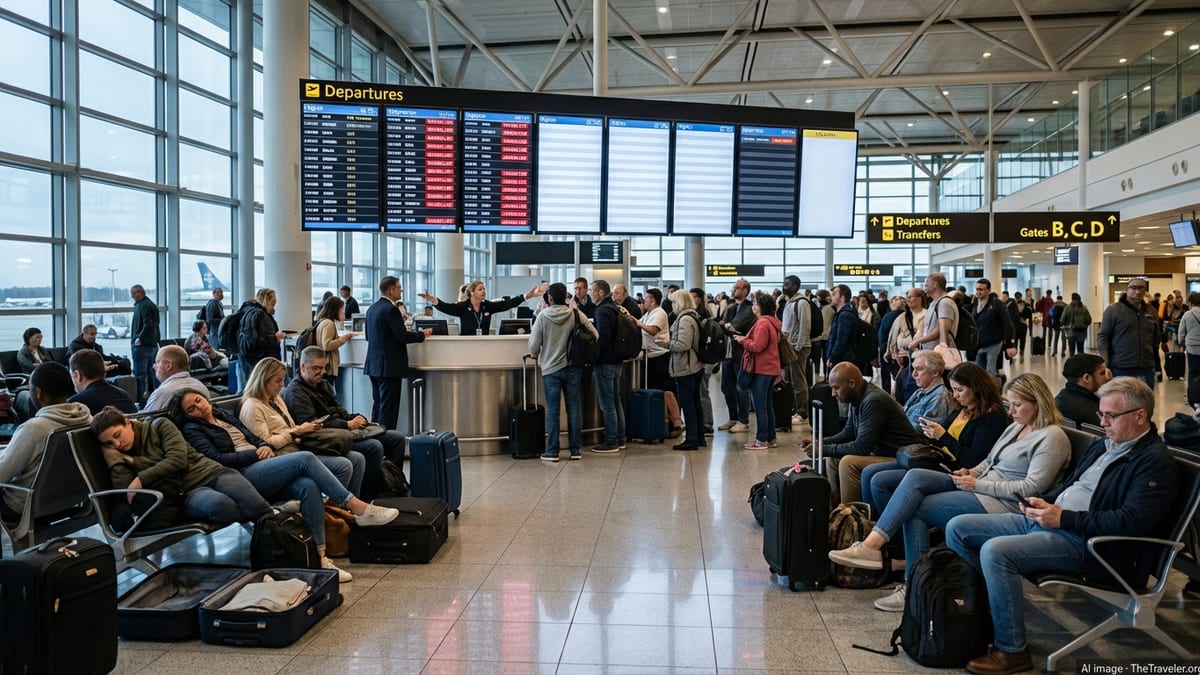
Worldwide caution highlights expanding risk landscape
The new worldwide caution, published in late July, urges US citizens abroad to exercise increased vigilance, particularly in and around the Middle East. Publicly available information indicates that the advisory cites a “complex” security environment and warns that developments in the region could trigger rapid changes in risk levels for travelers far beyond the immediate conflict zones.
The notice underscores that heightened tensions between the United States and Iran, including recent military exchanges and concerns about regional proxy activity, have raised the possibility of sudden security incidents. Coverage of the alert notes that US citizens may face elevated risks near military facilities, diplomatic missions, or locations perceived as symbolic Western targets.
The advisory does not ban travel outright but serves as a broad signal for Americans to reassess upcoming trips and to stay closely informed once abroad. The language about “potential for unforeseen escalation” reflects concerns that even areas currently perceived as stable could experience rapid deterioration if the regional conflict widens.
For the travel and tourism sector, this type of global notice often leads to closer scrutiny of itineraries that include any stops in the Middle East or neighboring transit hubs, as operators evaluate whether connecting routes or popular stopover cities could be affected by shifting security dynamics.
Middle East travel advisories already at elevated levels
Alongside the new worldwide caution, individual country advisories across the Middle East remain at historically high levels. Public advisory pages show that destinations including Iran, Iraq, Lebanon, Syria, Yemen and Gaza are categorized in the most severe “Do Not Travel” bracket, while a second tier of states such as Bahrain, Israel, the West Bank, Jordan, Kuwait, Oman, Qatar, Saudi Arabia and the United Arab Emirates are listed under “Reconsider Travel.”
In recent months, the State Department has also directed non-emergency US government personnel and family members to depart certain posts in the Gulf region due to security concerns linked to the broader confrontation with Iran. Separate notices have highlighted the possibility of drone or missile activity, as well as the prospect of further disruptions to regional airspace and maritime traffic.
For travelers, the combination of country-specific warnings and a global caution creates a layered advisory picture. While some destinations remain open to tourism with restrictions, others are effectively off limits to US citizens because of overlapping risks that include terrorism, armed conflict, kidnapping and limitations on consular assistance.
Industry analysis suggests that this environment is likely to push many leisure travelers to substitute away from traditional Middle East itineraries in the near term, favoring alternative hubs in Europe, Africa or Asia that offer comparable connectivity without the same level of political volatility.
Potential impacts on flights, itineraries and insurance
The latest caution explicitly notes that flight cancellations, periodic airspace closures and other disruptions are possible as tensions fluctuate. Aviation notices from regulators and air navigation authorities have already warned operators to exercise increased care in sections of Middle Eastern airspace, particularly near conflict zones and strategic waterways.
For airlines, such conditions can translate into sudden route changes, extended flight times and fuel costs as crews detour around sensitive areas. Travelers could experience schedule changes with little warning, especially on routes that pass near the Gulf region or rely on major Middle Eastern hubs for connections.
Travel insurers are closely monitoring the situation as well. Many policies contain exclusions or special clauses for war, civil unrest or government travel warnings. Industry guidance often encourages travelers to review policy language carefully, confirming whether trip cancellation, evacuation or medical coverage would apply if the conflict intensifies or if additional government advisories are issued.
Tour operators and corporate travel managers are also reevaluating contingency plans, including alternative routings, flexible booking conditions and communication protocols for clients who may be transiting high-risk areas or based in the region for work assignments.
What American travelers are being urged to do now
Publicly available guidance encourages US citizens overseas to maintain a heightened level of situational awareness, enroll in official alert systems, and keep their travel documents and contact information up to date. Travelers are advised to monitor local media, follow instructions from local authorities in an emergency and be prepared for rapid changes in airport operations or border-entry procedures.
The State Department recommends that travelers consult both the overarching worldwide caution and the destination-specific advisory for every country on their itinerary before departure. Security alerts tailored to individual cities or regions are updated frequently, meaning risk levels can change even within a single country.
Experts who track travel security trends note that Americans with essential travel to or through the Middle East are increasingly building redundancy into their plans, including backup routing options and additional time buffers for connections. Some travel planners are also suggesting that clients maintain a basic readiness to shelter in place if instructed, or to move quickly to safer areas within a country should hostilities or protests flare.
While many destinations worldwide remain open and accessible, the current alert underscores that US travelers may need to devote more preparation and flexibility to international trips, particularly those intersecting with the Middle East. The emphasis on unforeseen escalation serves as a reminder that the risk environment can shift abruptly, and that informed, adaptable planning is now central to international travel.