


When you narrow your next trip down to North Carolina or Tennessee, you are already in good shape. Both states deliver big scenery, approachable cities, and plenty of classic Southern hospitality. The better choice comes down to what you want for your money: ocean or mountains, road-trip loops or city breaks, live music or craft beer, quiet cabins or big attractions. This guide walks through real itineraries, ballpark prices, and on-the-ground experiences to help you see which destination gives you more for your trip.
Get the latest updates straight to your inbox!
Overall Vibe: How the Two States Feel on the Ground
North Carolina and Tennessee share the Blue Ridge and Smoky Mountains, but the energy on each side of the border feels different. In North Carolina, trips often revolve around Asheville’s artsy, beer-loving culture, the sandy beaches of the Outer Banks or Wilmington, and university towns like Chapel Hill and Raleigh with their food and museum scenes. The pace tends to be relaxed and outdoorsy, with plenty of farm-to-table dining and independent shops.
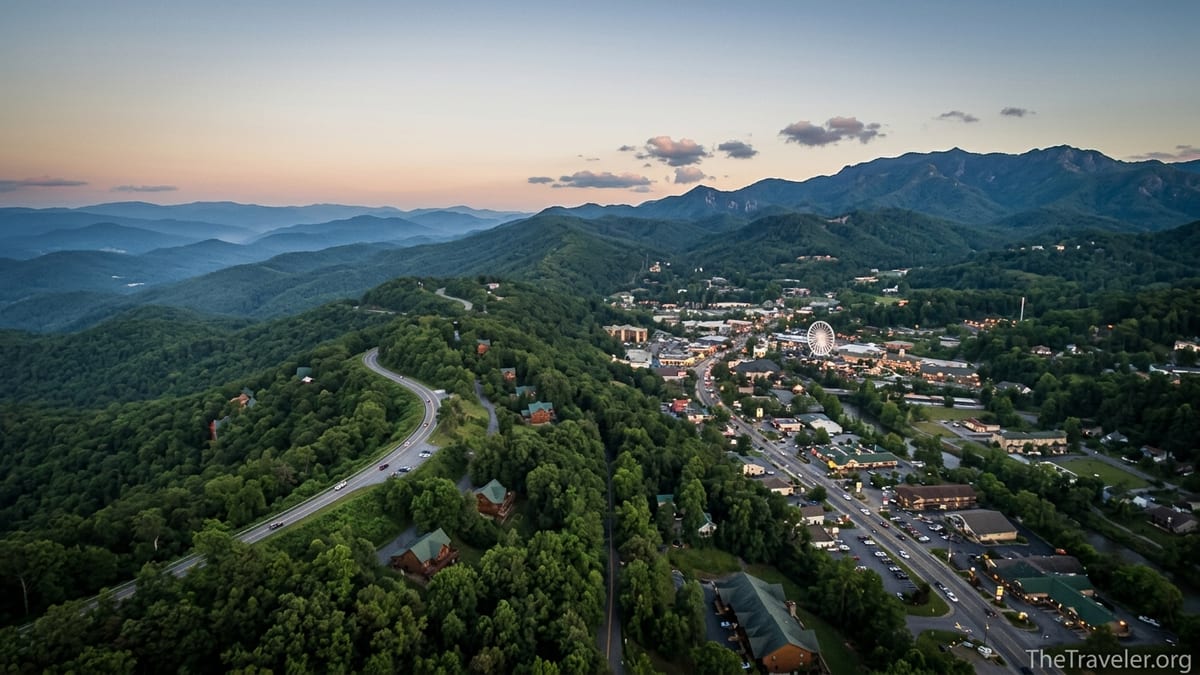
Tennessee leans more toward big-character cities and entertainment. Nashville’s live music, honky-tonks, and food halls, and Memphis’s barbecue joints and civil rights history, create an urban anchor for many trips. In the east, gateway towns like Gatlinburg and Pigeon Forge are packed with attractions, from mountain coasters to Dollywood, which can make a Tennessee vacation feel busier and more amusement-oriented, especially for families.
In practical terms, both states are drivable from much of the eastern United States. Travelers from Atlanta, Charlotte, or the Mid-Atlantic can reach Asheville or the Smokies in a half-day drive. Flights often route through Charlotte or Raleigh for North Carolina, and through Nashville, Knoxville, or Memphis for Tennessee. Rental car prices tend to be similar, so the major cost differences usually show up in lodging, attractions, and dining rather than just getting there.
For many visitors, the decision comes down to whether they want a trip that feels more like a string of smaller discoveries (North Carolina’s college towns, coastal villages, and mountain communities) or a bigger, louder vacation anchored by major cities and theme-park style attractions (Tennessee’s Nashville, Memphis, and Pigeon Forge corridor).
Mountains and Outdoor Value: Smokies, Blue Ridge, and Beyond
If great scenery for a low cost is your priority, both states shine in the mountains. Great Smoky Mountains National Park straddles the border, with major entrances at Gatlinburg and Townsend in Tennessee and Cherokee in North Carolina. The park does not charge an entrance fee, so a couple can spend days driving Newfound Gap Road, hiking short trails like Laurel Falls, or wildlife watching in areas such as Cades Cove or Oconaluftee without adding ticket costs. You pay for gas, food, and perhaps a cabin or campground, but not for basic access.
On the Tennessee side, many visitors base themselves in Gatlinburg or Pigeon Forge. In peak summer or October leaf season, a midrange hotel room in Gatlinburg commonly runs in the ballpark of 200 to 280 dollars per night before taxes, with budget motels sometimes around 120 to 160 dollars if you book early on weeknights. Cabins with hot tubs and mountain views can start near 250 dollars per night for small units and increase sharply for large family cabins, but they often sleep multiple people, which can keep per-person costs reasonable for groups.
On the North Carolina side, the Cherokee entrance gives easy access to quieter trails on the Oconaluftee side of the park. Nearby, Bryson City and smaller communities like Waynesville or Maggie Valley offer motels and rentals that can undercut Gatlinburg’s prices, particularly outside peak autumn weekends. It is not unusual to see basic motels in the 110 to 170 dollar range in shoulder seasons, or simple cabins around 175 to 225 dollars per night, which can stretch a budget further for travelers who prioritize park time over attractions.
Outside the Smokies, North Carolina’s Blue Ridge Parkway and Pisgah National Forest around Asheville add more free or low-cost outdoor options, from scenic overlooks and waterfalls to hiking and picnic areas. Tennessee counters with state parks like Fall Creek Falls and the Cumberland Plateau, where parking is typically free and hiking trails, overlooks, and waterfalls offer substantial value for day-trippers based in Nashville or Chattanooga. Purely for back-to-back hiking, viewpoints, and scenic driving, the value feels roughly even, though the North Carolina side can feel a bit less crowded once you leave the main Smokies corridor.
Beaches vs Lakes and Rivers: Where the Water Wins
One of the clearest differences between the two states is saltwater. North Carolina has surf and barrier islands; Tennessee does not. If your trip is not complete without sand between your toes, North Carolina gains an immediate edge, especially for longer summer vacations or multi-generational trips built around a rental house.
On the Outer Banks, families often rent a house in towns like Nags Head, Kill Devil Hills, or Corolla. In peak July weeks, a modest three-bedroom house a short walk from the beach might run in the range of 2,000 to 3,000 dollars plus taxes and fees for seven nights, but it can host six to eight people and include a kitchen, which cuts dining costs. A smaller condo or older cottage a few blocks back from the water can sometimes be found closer to 1,400 to 1,800 dollars for a week, especially in June or late August.
Farther south, in Wilmington and along nearby beaches like Carolina Beach or Wrightsville Beach, shorter stays and hotel-based trips become more practical. Midrange chain hotels a block or two from the beach might cost roughly 180 to 260 dollars per night in summer, with weekday rates dipping slightly. For couples who cook occasionally in a room with a kitchenette and spend most of the day outside, the per-day cost can be well balanced by free beach access and inexpensive activities like pier walks or sunset watching along the riverfront.
Tennessee’s version of a water-focused trip centers on lakes and rivers rather than the ocean. On Norris Lake or Douglas Lake, a family might rent a cabin or lake house for long weekends, often in the 250 to 350 dollar per night range in summer for a midrange property that sleeps six or more. Boat rentals, such as a pontoon boat for a full day, often land around 250 to 400 dollars plus fuel. For travelers who enjoy fishing, tubing, and quiet coves over beach crowds, this can provide strong value, especially within driving distance of Knoxville or Nashville. Yet if your vacation dreams specifically include ocean sunrise, North Carolina’s coast makes the decision straightforward.
Cities, Culture, and Nightlife: Asheville vs Nashville (and Friends)
For many travelers, the “which state gives more” question really means “which city gives me more for my time and money.” The most common comparison is Asheville in North Carolina versus Nashville in Tennessee, with side trips to Raleigh, Durham, or Charlotte on one hand and Memphis or Chattanooga on the other.
Asheville’s compact downtown mixes galleries, indie boutiques, and dozens of breweries. Beer flights at popular spots typically cost around 10 to 15 dollars, and many taprooms host free live music on weekends. Lodging prices have risen in recent years: on busy fall foliage weekends, downtown hotels can easily reach 260 to 350 dollars per night, while chain hotels 10 to 15 minutes outside the center might hover closer to 170 to 220 dollars. Travelers who stay farther out, such as in Black Mountain or Hendersonville, often find nightly rates 20 to 40 percent lower than in the city core, trading a scenic drive for savings.
Nashville’s price picture is similar or slightly higher in core tourist zones, especially around Broadway. Central hotels often sit in the 300 to 400 dollar per night range on weekends, occasionally dipping below 250 on slower winter weekdays. On Broadway itself, many venues with live music do not charge a cover, but patrons are expected to tip the band generously and pay premium drink prices, with cocktails commonly 13 to 18 dollars before tax and tip. For travelers who prioritize live music and nightlife, this can still feel like excellent value, since you can see multiple high-quality acts in a single night without pre-booked tickets.
In North Carolina’s Research Triangle, Raleigh, Durham, and Chapel Hill create a more low-key but affordable cultural circuit. Museum entry fees are often modest or free, especially at state museums. A couple might spend a day wandering Raleigh’s museums and breweries, have a sit-down dinner in the 18 to 30 dollar per entree range, and stay in a midscale hotel near downtown for 150 to 200 dollars on many nights of the year. Tennessee’s Memphis and Chattanooga answer with strong riverfronts, the National Civil Rights Museum, Graceland, and the Tennessee Aquarium, but those paid attractions can add 30 to 80 dollars per person per day if you pack the schedule.
In short, travelers seeking big-city nightlife and marquee attractions may feel they get more entertainment per mile in Tennessee, especially in Nashville. Those looking for a blend of culture and affordability often find North Carolina’s cities slightly easier on the wallet, especially outside the biggest tourist weekends.
Family Trips and Attractions: What You Actually Pay For
Families often focus less on subtle cultural differences and more on concrete questions: How many days can we fill with activities, and what will it cost? Here, Tennessee’s Pigeon Forge and Sevierville corridor plays a major role. Dollywood day passes commonly fall around 90 to 110 dollars per adult and slightly less for children, with water park or multi-day options priced higher. A family of four can easily spend 400 dollars or more on tickets alone for a single full day, then add parking, meals, and optional extras inside the park.
Along the same strip, other attractions such as indoor trampoline parks, mini-golf courses, Ripley-branded exhibits, mountain coasters, and dinner shows typically range from 20 to 80 dollars per person. A long weekend where a family samples several of these can quickly pass 1,000 dollars in activity costs, even before lodging. For some visitors, this is exactly what they want: lots of structured things to do, predictable entertainment, and the ability to let kids pick new attractions each day.
North Carolina’s mountain towns offer a quieter, more dispersed version of a family trip. In Asheville or Boone, you are more likely to spend days hiking on the Blue Ridge Parkway, visiting waterfalls, or stopping at roadside orchards and farm stands. Kid-friendly paid attractions certainly exist, such as the North Carolina Arboretum, the Western North Carolina Nature Center, or zipline parks, but a family could easily spend most days doing free activities and keep the budget focused on picnics and an occasional restaurant splurge. For beach-based trips, the main paid extras are often surf or kayak rentals, fishing charters, or small coastal museums and lighthouses.
If your children thrive on rides, shows, and neon-lit strips, Tennessee offers more concentrated entertainment, but you will pay for it. If you prefer simpler days where the biggest expenditure is ice cream after a hike or a beach sundae at sunset, North Carolina generally lets you stretch a family budget farther, especially for week-long stays.
Food, Drink, and Everyday Costs
Both states share a strong food culture that leans on barbecue, biscuits, and farm-fresh produce, but the typical daily spend can differ slightly by destination. In Asheville, a casual sit-down dinner for two at a popular farm-to-table spot might land around 60 to 90 dollars before tip, including a shared appetizer and a couple of local beers. Coffee drinks often run 4 to 6 dollars, and breakfast at a bakery or cafe might be 10 to 18 dollars per person, including coffee and a pastry or breakfast sandwich.
In Nashville and Memphis, prices at sit-down barbecue joints and casual restaurants are comparable, but the touristy areas often tack on a small premium, especially for drinks. A plate of ribs or hot chicken with sides might fall in the 18 to 28 dollar range, and live-music venues frequently price domestic beers around 7 to 9 dollars and mixed drinks even higher. Over a multi-day trip, that difference can add up, especially if nightlife is a focus.
Grocery costs and gas prices tend to be in the same general band in both states, subject to national trends rather than big state-level differences. The real savings opportunities appear when you pick lodging with a kitchen or grill. At North Carolina beach rentals, families often cook breakfast at home and alternate between home-cooked dinners and restaurant nights, which significantly reduces per-day spending. In Tennessee’s cabin country, many rentals include full kitchens and outdoor grills, so a group can stock up at a supermarket in Sevierville or Gatlinburg and treat cabin evenings almost like a home vacation.
Beer and wine laws are straightforward in both states, though you will notice some local quirks. Asheville’s high density of breweries means you can visit several locations on foot in one afternoon and limit transportation costs. In Tennessee’s more spread-out cities, ride-hailing costs or parking fees can creep into the budget if you plan bar-hopping nights.
Sample Budgets: What a Long Weekend Really Costs
To make the comparison tangible, consider two hypothetical long weekends for a couple traveling from the eastern United States in spring or early fall. These are not minimum budgets, but realistic, midrange scenarios.
First, a three-night North Carolina mountain escape centered on Asheville and the Blue Ridge Parkway. The couple books a midscale hotel 10 minutes from downtown at approximately 190 dollars per night, totaling about 570 dollars before taxes. They drive rather than fly, spending around 120 dollars on gas and tolls. Over four days, they have three dinners out averaging 90 dollars each, plus two brewery evenings with food trucks for around 70 dollars each, and casual breakfasts and grocery snacks totaling 120 dollars. Sightseeing centers on free or low-cost activities: hiking, scenic drives, and perhaps 40 to 60 dollars on entry fees to an arboretum or local museum. The total trip cost lands roughly in the 1,300 to 1,500 dollar range.
Second, a three-night Tennessee city and Smokies combo with two nights in Nashville and one night in Gatlinburg. In downtown Nashville, their hotel averages 320 dollars per night, or 640 dollars for two nights. A basic hotel room in Gatlinburg runs 210 dollars for one night. They again spend about 120 dollars on gas. In Nashville, two nights of music-fueled dinners and drinks near Broadway might hit 160 to 200 dollars per night, plus a 25 to 40 dollar museum or attraction visit. In Gatlinburg, they choose one mountain coaster and a dinner show for a combined 250 to 300 dollars, and eat two more modest meals at 60 to 80 dollars each. Even with Great Smoky Mountains National Park remaining free to enter, the total for this itinerary can easily reach 1,800 to 2,000 dollars or more.
The lesson is not that one state is inherently cheaper than the other, but that the type of trip you design in each state strongly affects value. North Carolina’s structure leans naturally toward lower-cost outdoor days and self-paced exploring, while Tennessee’s most famous experiences cluster around higher-ticket attractions and nightlife. Travelers willing to focus on state parks, quieter towns, and self-catered meals can bring costs down in either state.
The Takeaway
Choosing between North Carolina and Tennessee is less about which destination is “better” and more about which one aligns with how you like to travel and what you consider good value. In North Carolina, your dollar tends to go farther on unstructured outdoor time and longer stays: week-long beach rentals shared with family, mountain cabins near the quieter side of the Smokies, and weekends in Asheville or the Triangle built around free galleries, street music, and scenic drives. It is an excellent choice if you prize a mix of coast and mountains, prefer to spend more on where you stay than on what you do, and enjoy trips where each day can be as simple as a hike and a good meal.
Tennessee, on the other hand, delivers concentrated experiences: live music on Broadway, the gravitational pull of Dollywood and the Pigeon Forge attractions, major draws like the National Civil Rights Museum, and big-aura cities with strong culinary scenes. You will typically spend more on daily activities, but you also get tightly packed entertainment and a sense of “we did a lot” in just a few days. For families who love rides and shows, or adults who thrive on nightlife and performances, that tradeoff can feel like money well spent.
If you want ocean waves, plan on North Carolina. If your dream is honky-tonks and roller coasters, Tennessee should be your first stop. For hikers and scenic-road-trip fans, the choice is closer. The Smokies and Blue Ridge are accessible from both states, with Tennessee leaning toward busier, attraction-rich gateway towns and North Carolina toward slightly quieter base camps and more dispersed outdoor options.
In the end, the state that gives you more for your trip is the one that matches your personal travel style. A budget-conscious family that loves the beach might come home convinced North Carolina is the clear winner, while a group of friends who spent three nights chasing bands in Nashville and a day riding coasters in Pigeon Forge will argue passionately for Tennessee. Clarify whether you value free natural beauty, paid entertainment, or some balance of the two, and the “right” answer usually becomes obvious.
FAQ
Q1. Which state is cheaper overall for a one-week vacation, North Carolina or Tennessee?
For a typical one-week trip, North Carolina often comes out slightly cheaper if you focus on beach rentals or mountain cabins and mostly free outdoor activities. Tennessee can cost more when you build your week around theme parks, major attractions, and nightly live music, though careful planning and staying outside the busiest city centers can narrow the gap.
Q2. If I want both mountains and beaches in one trip, which state is better?
North Carolina is better suited for combining mountains and beaches in a single itinerary. You can spend a few days in Asheville or Boone for hiking along the Blue Ridge Parkway, then drive to the Outer Banks or Wilmington for ocean time, all within one state. In Tennessee you get excellent mountains and lakes, but no ocean coast.
Q3. Where will I get more for my money if I love live music and nightlife?
Tennessee has the edge for live music and nightlife, especially in Nashville and Memphis. Many venues charge no cover but recoup costs through higher drink prices, so you can see multiple bands in a night. If you plan ahead with hotel choices and limit ride-hailing costs, the entertainment value per evening can be very high.
Q4. Is Great Smoky Mountains National Park cheaper to visit from North Carolina or Tennessee?
The park itself is free to enter from both states, so the main cost difference comes from lodging and nearby attractions. Tennessee gateway towns like Gatlinburg and Pigeon Forge offer more commercial attractions but can have higher hotel rates during peak times. North Carolina base towns such as Cherokee, Bryson City, or Waynesville can sometimes offer slightly lower lodging costs and fewer paid attractions, which may keep overall spending down.
Q5. For a family with kids, which state offers better value?
It depends on your children’s interests. Tennessee offers high-energy value with Dollywood, mountain coasters, and interactive attractions, but tickets and extras add up quickly. North Carolina’s value leans toward simpler pleasures: beach days, easy hikes, and small-town festivals, where you may spend less on admissions and more on shared spaces like a rental house.
Q6. Which destination works better for a budget-friendly couples’ getaway?
A budget-conscious couple often gets more out of North Carolina, especially with a mountain or coastal base and a focus on free outdoor activities. Staying a short drive from Asheville or in a quieter beach town, cooking some meals in, and choosing a few key splurge dinners can keep costs moderate. In Tennessee, city and attraction-focused getaways can be wonderful but usually come with higher daily spending.
Q7. Are North Carolina’s beaches or Tennessee’s lakes a better value?
North Carolina’s beaches provide excellent value for groups and extended families who share a rental home and enjoy free daily access to the ocean. Tennessee’s lakes can be better value for shorter getaways and for travelers who prioritize boating or fishing, since nightly cabin rates can be reasonable and you can choose whether or not to spend extra on boat rentals.
Q8. Which state is less crowded in peak season?
Crowds concentrate differently. In Tennessee, popular stretches like downtown Nashville and the Pigeon Forge and Gatlinburg area can feel very busy in summer and during fall foliage. In North Carolina, the Outer Banks and major mountain hubs see heavy traffic in July and October, but it is often easier to escape to quieter stretches of beach or smaller mountain towns if you are flexible.
Q9. If I fly rather than drive, does one state offer better value?
Flight prices fluctuate, but major airports like Charlotte and Raleigh in North Carolina and Nashville or Memphis in Tennessee usually have comparable fares from many US cities. Value often comes down more to what you do after arrival. In North Carolina, you can sometimes rely on a rental car and free outdoor activities. In Tennessee’s big cities, you may add rideshares, parking fees, and paid attractions to your budget.
Q10. How should I decide between North Carolina and Tennessee if my budget is tight?
Start by listing what you refuse to compromise on, such as ocean access, live music, or hiking. If you must have the ocean, choose a modest North Carolina beach town and share a rental. If your priority is music and nightlife, look for Tennessee trips during shoulder seasons and stay slightly outside the busiest districts. If you simply want beautiful scenery and low daily costs, either state can work, but smaller mountain towns and state parks in both places tend to offer the best budget value.