


Few states reward a road trip quite like North Carolina. From twisting mountain ribbons of asphalt to low, salt-sprayed coastal highways, the Tar Heel State is packed with drives where the journey is the main event. Even better, many of the best routes are lined with small inns, cabins, and guided experiences that turn a simple drive into a full getaway. Here is how to pair North Carolina’s most scenic roads with concrete, bookable stays and activities for a long weekend or more.
Get the latest updates straight to your inbox!
Blue Ridge Parkway Mountain Weekends
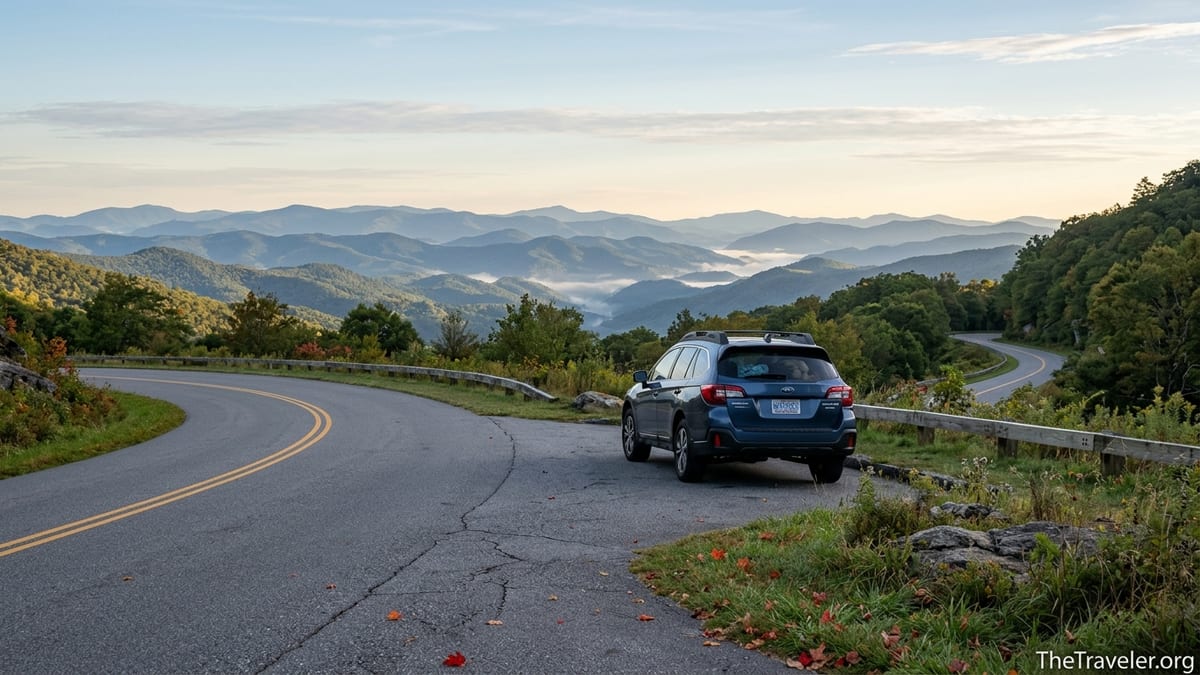
The Blue Ridge Parkway is the backbone of many North Carolina mountain getaways. The 469 mile roadway runs from Virginia to Cherokee, North Carolina, with some of its most photogenic segments between Boone, Blowing Rock and Asheville. In this stretch, short hops of 20 to 40 miles link overlooks such as Rough Ridge, Price Lake and Craggy Gardens, where you can pull off, picnic and walk to viewpoints with sweeping layers of blue mountains.
Base yourself in a mountain town so you are not packing and unpacking every night. Around Boone and Blowing Rock, cabin agencies like Blue Ridge Mountain Rentals and similar outfits list everything from one bedroom A frame cabins to larger homes with hot tubs and firepits, often starting in the 175 to 250 dollars per night range outside peak fall weekends. In Asheville, you will find a denser mix of boutique hotels and loft style rentals that let you spend the day driving the Parkway and the evening exploring breweries and restaurants in the South Slope and West Asheville neighborhoods.
Plan your driving days around short, focused segments rather than trying to tick off huge distances. A realistic itinerary might be a morning run from Blowing Rock south to Linville Falls with a hike to the waterfall, lunch back in town, then an afternoon drive toward Grandfather Mountain. Another popular day is to base in Asheville and drive north to Mount Mitchell State Park, the highest peak in the eastern United States, where a paved path leads from the parking area to a summit observation deck. Portions of the Parkway can close in winter and after heavy storms, so always check current closure maps before locking in nonrefundable bookings.
Experiences worth booking along this route include guided waterfall hikes in Pisgah National Forest, fly fishing lessons on the Davidson or Watauga rivers, and evening food tours in downtown Asheville. Many operators limit group sizes to eight to twelve people and charge roughly 75 to 125 dollars per person, which can be good value if you want someone else to handle logistics and navigation while you focus on the scenery.
Curves and Culture: Tail of the Dragon and the Fontana Byway
For drivers and motorcyclists, the ultimate North Carolina challenge is the legendary Tail of the Dragon at Deals Gap, along the border with Tennessee. This roughly 11 mile stretch of US 129 is famous for its packed series of curves and its status as a rite of passage for performance cars and bikes. It forms part of the longer Fontana Byway, a 50 plus mile route that winds through the Great Smoky Mountains area with views of the Little Tennessee River, forested slopes and Fontana Dam.
Because of its difficulty and popularity, Tail of the Dragon is best approached as a full getaway rather than a quick detour. Nearby towns such as Robbinsville and Bryson City offer small motels, lodge style properties and cabin rentals that understand the driving culture, often providing trailer parking, wash stations and quiet hours that respect early starts. Expect basic but clean rooms from around 120 to 180 dollars per night in peak season, with more rustic cabins sometimes slightly lower midweek.
Plan to drive the road early in the day, before traffic and heat build. Many enthusiasts do a reconnaissance run first, taking the curves at a comfortable pace to learn the line and scouting the many pull offs where you can safely let faster vehicles pass. Treat it as a technical scenic drive, not a racetrack. Local law enforcement patrols the area, and emergency response can be delayed on such twisting pavement, so staying within your limits is essential, especially for visitors not used to mountain driving.
Round out the trip with gentler experiences so everyone in your group has something to enjoy. Book a guided rafting run on the Nantahala River, a scenic ride on the Great Smoky Mountains Railroad out of Bryson City, or a half day boat rental on Fontana Lake to see the mountains from the water. These outings typically run from 40 to 100 dollars per person, and many outfitters operate from April through October, which dovetails nicely with prime driving season.
Waterfalls and Forest Heritage near Brevard
Southwest of Asheville, the Forest Heritage Scenic Byway loops through Pisgah National Forest and past some of North Carolina’s most accessible waterfalls. This roughly 65 mile figure eight along NC 215 and US 276 lets you roll from high overlooks to shaded creek valleys in a single afternoon. Highlights include roadside stops at Looking Glass Falls, the Sliding Rock recreation area and trailheads leading to Moore Cove Falls and the Pink Beds.
Brevard makes a convenient base for this area. It is a small, artsy town with a real main street, a handful of breweries and coffee shops and a growing roster of vacation rentals. You can book a simple in town apartment style stay starting around 140 to 200 dollars per night, or go for a cabin tucked along the French Broad River or in nearby Transylvania County, often with screened porches and wood stoves for cool evenings.
To make the most of the Forest Heritage Byway, plan a full day that alternates driving with short walks. Start early with a coffee in Brevard, then take US 276 into Pisgah to beat the crowds to Looking Glass Falls and Sliding Rock. Continue over the high ridge, stopping at overlooks before dropping down toward the Blue Ridge Parkway. From there you can connect to NC 215 and loop back toward town, pausing at smaller cascades such as Sunburst Falls and trailheads along the North Fork French Broad River. Cell service is spotty in places, so offline maps are useful.
Experiences worth booking here include guided waterfall photography workshops and half day mountain bike rentals or tours in DuPont State Recreational Forest, which is known for trails that pass iconic waterfalls like Triple Falls and Hooker Falls. Many local bike shops offer full suspension rentals starting around 80 to 120 dollars per day and can point you to routes that match your fitness and comfort level.
Outer Banks Scenic Byway Coastal Escapes
On the other side of the state, the Outer Banks Scenic Byway delivers a very different kind of North Carolina road trip. Stretching for more than 130 miles across barrier islands and ferries, this route strings together small fishing villages, long dune backed beaches and wildlife rich sounds. You will roll along NC 12 through places like Hatteras, Buxton, Frisco and Ocracoke, with frequent views of both the Atlantic Ocean and the calmer waters of Pamlico Sound.
Because of the ferry connections and narrow island roads, the Outer Banks Byway rewards slow travel. Many travelers book a few nights each in two or three different communities rather than trying to see the entire chain in one day. Vacation rentals dominate here, particularly beach cottages and small condos in towns like Avon, Rodanthe and Hatteras, where you can often find shoulder season two bedroom houses starting around 175 to 250 dollars per night. On Ocracoke Island, small inns and bed and breakfasts cluster around the harbor, ideal if you prefer walking to dinner and bike rentals.
Consider structuring your trip as a series of short hops. You might spend a weekend based in Nags Head or Kill Devil Hills, driving south for a day trip through the Pea Island National Wildlife Refuge to Hatteras Village and back. On a longer getaway, add the ferry to Ocracoke for a two or three night stay, where you can stash the car and explore by bike or golf cart. The mix of maritime forests, lighthouses, and long strands of beach make this a classic summer family road trip, but spring and fall often bring lighter traffic and more reasonable lodging prices.
Bookable experiences up and down the Outer Banks include surf lessons in Nags Head, wild horse tours out of Corolla at the northern end, and inshore fishing charters from several marinas. Prices vary widely, but as a rough guide, group surf lessons can start near 60 to 90 dollars per person, while half day inshore charters for small groups often run several hundred dollars total, which can be good value if you split the cost among friends or family.
Quiet Coastal Towns from Wilmington to Topsail
Not every North Carolina coastal escape has to involve ferries and long island chains. Around Wilmington and its nearby beaches, you can combine short, scenic drives with walkable small towns and boutique lodging. A simple but satisfying route runs from historic downtown Wilmington out to Wrightsville Beach, then down to Carolina Beach and Kure Beach, with side trips to state parks and waterfront boardwalks.
Downtown Wilmington itself is worth at least one night. Restored brick warehouses now host hotels, restaurants and rooftop bars overlooking the Cape Fear River. From here, it is a quick 15 to 25 minute drive to Wrightsville Beach, where bridges carry you across the Intracoastal Waterway and marshes to a strip of sand lined with low rise condos and houses. Farther south, Carolina Beach offers a classic boardwalk experience and a growing set of small independent hotels, including renovated mid century style motor inns that lean into a retro, surf town feel.
For a quieter base, consider Topsail Island to the north. Communities like Topsail Beach and Surf City are linked by a low key strip of NC highways that pass shrimp boats, marsh creeks and pastel beach cottages. Small guest houses and renovated inns on the island typically keep things simple: several rooms above a shared lounge, walkable access to the sand, and a grown up, low noise atmosphere. Winter and shoulder season rates can dip below 150 dollars per night, while summer weekends climb higher as demand peaks.
This part of the coast pairs especially well with bookable outdoor experiences. Kayak outfitters in Wrightsville Beach and Topsail offer guided sunset paddles through salt marshes, often in the 60 to 90 dollars per person range, while eco tour operators explore the back bays in shallow draft skiffs. Carolina Beach State Park, reachable on a quick drive from town, has well signed walking trails through longleaf pines and sand ridges where you can stretch your legs before an evening at the boardwalk.
Piedmont Detours: Wine, Lakes and Small Cities
Between the mountains and the coast, the North Carolina Piedmont offers shorter, softer scenic drives that fit nicely into a long weekend. Around the Yadkin Valley, rolling vineyard country unfolds along two lane highways lined with tasting rooms and small farmstands. A typical day might see you driving 60 to 80 miles total, winding among wineries near towns like Elkin, Dobson and Jonesville, with long range views of the Blue Ridge to the west.
Many wineries have on site cottages or partner with nearby bed and breakfasts that build tasting fees into room packages. You might pay around 220 to 350 dollars per night for a wine themed weekend that includes a welcome bottle, breakfast and sometimes transportation between a couple of tasting rooms so you can leave the car parked. These packages are especially popular for couples trips and small groups celebrating milestone birthdays or anniversaries.
Elsewhere in the Piedmont, lakes such as Lake Norman north of Charlotte or Jordan Lake near the Triangle region offer low stress drives through mixed forest and suburban countryside. Here, the getaway is less about a single named scenic byway and more about building a loop around your lodging. For example, you might book a lakeside rental house with a dock for three nights, then spend your days mixing short drives to nearby small towns with time on the water via pontoon boat rentals or stand up paddleboard sessions.
Small cities like Winston Salem, Greensboro and Durham also serve as handy starting points. You can stay in a downtown hotel or loft, enjoy walkable dining and arts districts at night, then spend days on countryside loops that connect historic sites, state parks and farm markets. These drives rarely involve more than an hour or two behind the wheel at a stretch, which can be ideal for travelers who love the idea of a scenic road trip but not the reality of long days in the car.
Planning Tips for North Carolina Scenic Road Trips
To turn a good North Carolina drive into a great getaway, timing and logistics matter. Peak foliage in the mountains typically runs from early October in higher elevations to late October in lower valleys, though exact dates shift year to year. Summer brings heat and humidity on the coast but also warm ocean water and the liveliest beach towns. Spring and fall shoulder seasons often hit a sweet spot of milder temperatures and more availability in popular areas like Asheville and the Outer Banks.
Book lodging early if your plans involve popular weekends such as fall foliage peaks on the Blue Ridge Parkway or holiday weeks at the beach. Cabin agencies and vacation rental platforms in places like Boone, Brevard and Hatteras often see their best properties reserved months in advance, especially larger homes with views, hot tubs or direct beach access. Flexible travelers can sometimes snag last minute deals within a week or two of arrival, but that approach works best if you do not have your heart set on a specific town or property.
Budget wise, mixing self guided drives with a couple of paid experiences can keep costs reasonable while adding depth to your trip. For example, you might spend a morning cruising a scenic byway with plenty of free overlooks and short hikes, then book a single highlight such as a sunset sail on Pamlico Sound, a guided bike tour on the Blue Ridge, or a half day fishing charter. Building one paid anchor activity into each full day gives structure without overwhelming your schedule or your wallet.
Finally, remember that conditions can change quickly. Mountain roads sometimes close due to rockslides or winter weather, while coastal highways like NC 12 are vulnerable to flooding and sand overwash after storms. Before you set out each day, check current travel advisories and local news, carry extra water and snacks in the car, and keep a paper map or offline navigation handy in case cell service drops in rural stretches.
The Takeaway
North Carolina’s greatest drives are more than pretty routes on a map. They are frameworks for getaways that blend scenery, small town culture and memorable experiences, from waterfall hikes in Pisgah National Forest to ferry rides across the Outer Banks. By pairing each byway or coastal highway with the right base town, lodging style and a handful of thoughtfully chosen activities, you can build a trip that feels both relaxed and richly layered.
Whether you are tracing the curves of the Tail of the Dragon, watching the sun sink behind Blue Ridge ridgelines, or rolling past marshes and lighthouses on the Outer Banks, the state’s roads invite you to slow down and stay awhile. With a bit of planning and a willingness to wander off the interstate, your next North Carolina drive can become a getaway you will still be talking about long after you hand back the rental car keys.
FAQ
Q1. When is the best time of year to plan a North Carolina scenic drive?
The mountains are most popular in October for fall color, while the coast sees peak visitation from late May through early September. Spring and fall shoulder seasons often deliver mild weather, lighter traffic and better lodging availability in both regions.
Q2. How many days do I need for a Blue Ridge Parkway getaway?
A long weekend of three or four days is enough to enjoy one region, such as Boone and Blowing Rock or Asheville and Mount Mitchell, with time for short hikes and town exploring. To cover multiple sections at a relaxed pace, plan five to seven days.
Q3. Is Tail of the Dragon suitable for families or nervous drivers?
Tail of the Dragon is a very curvy mountain road that attracts performance drivers and motorcyclists, so it can feel intense for inexperienced or nervous drivers and passengers. Families may prefer nearby scenic routes on the Fontana Byway or Blue Ridge Parkway, which offer big views with gentler driving.
Q4. Do I need to reserve Outer Banks ferries in advance?
Some ferries on the Outer Banks Scenic Byway operate on a first come, first served basis, while others accept or require reservations for vehicles. In peak summer and holiday periods, it is wise to secure reservations where available and arrive early, especially if you are driving a larger vehicle.
Q5. What kind of car is best for these North Carolina road trips?
Almost all of the routes mentioned are paved and suitable for standard passenger cars, including rentals. A vehicle with good brakes and handling is helpful in the mountains, while at the coast you may appreciate higher clearance if you plan to explore unpaved access roads, though many travelers manage fine in compact cars.
Q6. How far in advance should I book cabins or beach rentals?
For peak periods like October in the mountains or midsummer at the beach, booking three to six months ahead gives you the best choice of properties. For shoulder season visits or midweek stays, one to two months is often sufficient, and last minute deals may appear if you are flexible.
Q7. Are guided tours worth it if I am already driving myself?
Guided tours can add value by providing local insight, handling parking and permits, and leading you to trailheads or viewpoints you might miss on your own. Booking one or two key experiences, such as a guided waterfall hike or boat excursion, often enriches a self drive trip without significantly increasing your overall cost.
Q8. What should I budget per day for a North Carolina road trip?
Daily costs vary widely, but many travelers find that a midrange budget of roughly 200 to 350 dollars per day for two people, excluding gas and travel to the state, covers lodging, meals and a modest activity or two. Upscale stays, private tours and peak season dates will push that number higher.
Q9. How can I avoid traffic on popular routes like the Blue Ridge Parkway and NC 12?
Starting your driving days early, traveling on weekdays instead of weekends and visiting during spring or fall can all reduce crowds. On the Blue Ridge Parkway, focusing on less famous overlooks and trailheads often leads to quieter experiences even in busy periods.
Q10. Are pets allowed on these scenic drives and in lodging?
Pets are generally allowed in most public roadside overlooks and many trailheads, provided they are leashed and you follow local rules. Cabin rentals, small inns and some hotels across the state offer pet friendly rooms, usually with an added fee, so check policies carefully and confirm pet acceptance before booking.