


More news on this day
Northern Norway’s fjords and Arctic landscapes are heading into 2026 with record visitor demand, crowding pressure in headline destinations and a new wave of taxes and environmental rules that are reshaping how, when and where travelers can explore the region.
Get the latest news straight to your inbox!
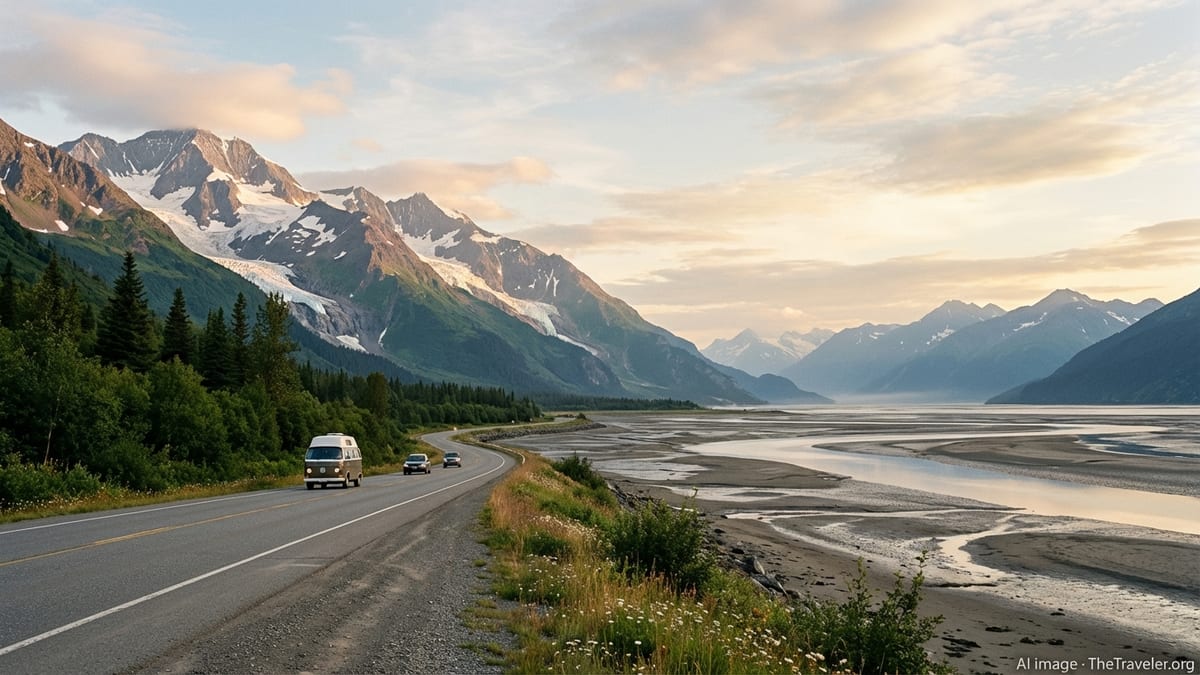
A Record-Breaking Build-Up to the 2026 High Season
The boom at Norway’s northern edge has been building for several years, and 2025 marked a tipping point. Travel industry coverage of official accommodation statistics indicates that Norway counted around 38.6 million overnight stays nationwide in 2024, an all-time high, with northern counties capturing a growing share as travelers push beyond Oslo and the southern fjords. Reports from regional tourism boards show that Northern Norway alone logged well over two million commercial overnight stays in summer 2025, driven by interest in midnight sun road trips, island hopping and hiking above the Arctic Circle.
International arrivals have surged as airlines and cruise lines add capacity back into the market. Industry analyses suggest that Norway received more than 7 million international visitors in 2025, up sharply on pre-pandemic levels, with many opting for itineraries that combine classic fjord cruising with stays in Tromsø, the Lofoten Islands and Finnmark. Travelers are leaning into shoulder seasons as well, booking autumn aurora breaks and late spring coastal voyages to avoid the most congested weeks of July and August.
In 2026, that momentum is expected to carry forward into another very strong season. Northern lights operators report high forward bookings for winter 2026, helped by the ongoing solar maximum that increases the frequency and intensity of aurora displays. At the same time, cruise-focused reports show fjord ports such as Bergen, Ålesund and Nordfjordeid preparing for heavy traffic, even as they apply new caps on daily passengers and vessel sizes.
The net effect is a tourism map that is both expanding and tightening. While more visitors are making it north than ever before, those hoping to sail specific fjords, see the aurora with a licensed guide or secure waterfront rooms in small communities are finding that early planning is quickly becoming essential for 2026 travel.
Scenic Fjords Draw Crowds and Hit Capacity Limits
Norway’s UNESCO-listed fjords remain the visual anchors of this boom. Geirangerfjord and Nærøyfjord, long promoted as icons of the country’s natural heritage, now sit at the heart of a delicate balancing act between access and preservation. Port data and transport policy documents show that local authorities have introduced seasonal restrictions on large cruise ships, stricter port-slot management and limits on the number of passengers allowed ashore each day during the peak summer window.
These fjords are not alone in feeling the strain. Bergen, often the first stop for travelers heading into the fjords, has adopted daily limits on the number of cruise ships and passengers that can call in a single day, a response to crowding in its historic waterfront districts. Smaller ports such as Nordfjordeid, which welcomed hundreds of thousands of cruise passengers in 2025, are also recalibrating their growth strategies, weighing the benefits of higher traffic against infrastructure constraints and pressure on local services.
On shore, accommodation pressure is increasingly visible. In Lofoten, Senja and Arctic coastal communities, reports from regional tourism bodies and local media describe high occupancy rates across cabins, rorbu fishermen’s huts and small hotels during the peak months, with prices climbing in line with demand. Travelers arriving without reservations, particularly in July, are more frequently redirected to inland towns or secondary fjords where space remains.
At the same time, national and regional planners are using the boom to accelerate investments in trails, viewpoints and visitor facilities away from the most photographed spots. New hiking routes, improved public transport connections and expanded parking areas around lesser-known fjords are intended to spread the load in 2026, giving visitors more options while taking pressure off Geiranger, Nærøyfjord and other heavily marketed sites.
New Taxes, Emission Bans and Rules That Will Shape Trips in 2026
For travelers, some of the most significant changes in 2026 are financial and regulatory. Norwegian and international media have reported extensively on a new sustainable tourist tax that starts to be phased in from 2025 and extends into 2026. The levy, charged per night in commercial accommodation and applied to cruise passengers, is designed to fund environmental protection, waste management and infrastructure in high-pressure destinations. Early indications suggest that the surcharge is modest on a per-night basis but adds up over longer stays or for families traveling together.
The fjords are also entering a stricter emissions era. Policy papers on maritime decarbonisation show that from 2026, greenhouse-gas-emitting vessels will no longer be permitted to sail in Norway’s UNESCO World Heritage fjords. This effectively rules out many conventional cruise ships from Geirangerfjord and Nærøyfjord unless they can operate on zero or near-zero emissions in these waters. Forward-looking orders for new vessels, including small expedition cruise ships marketed as zero-emission or hybrid-ready, indicate that the industry is rapidly retooling to keep these routes on future itineraries.
On land, northern lights tourism is facing its own regulatory tightening. Coverage from regional news outlets in late 2025 highlighted new enforcement actions against unlicensed aurora tour operators in Northern Norway, particularly around Tromsø. Authorities have stepped up checks on vehicle safety, guiding standards and insurance, with the aim of improving safety and reducing environmental impacts from poorly managed tours. Licensed operators, especially those investing in low-emission transport or smaller group sizes, are likely to benefit from the cleanup.
Combined, these measures mean that 2026 visitors can expect slightly higher trip costs and a more structured experience, especially when cruising sensitive fjords or booking guided nature excursions. At the same time, they also provide clearer guarantees that landscapes, air quality and community life are being actively protected as tourism grows.
How the Boom Is Reshaping Communities and Visitor Behavior
The northern tourism surge is not only a story of numbers; it is also changing daily life in fjordside towns and Arctic cities. Local media and research reports point to both rising income from tourism and mounting worries about seasonal housing shortages, traffic jams on narrow coastal roads and strain on healthcare and emergency services during the busiest weeks. In some communities, short-term rentals now compete with residential housing, making it harder for service workers and young residents to stay in town.
At the same time, many municipalities are using the current boom to push for a more diversified and resilient local economy. Efforts include encouraging longer stays rather than rapid cruise stopovers, promoting cultural festivals such as winter music events in Tromsø, and supporting year-round jobs that combine tourism with fishing, research or renewable energy. Visitor education campaigns, often promoted through hotel check-in materials and digital platforms, are encouraging travelers to respect reindeer herding areas, reduce noise in small harbors and keep clear of private land.
Visitor behavior is gradually adjusting in response. Booking data cited in industry coverage suggests that more travelers are opting for smaller ships, rail-and-ferry combinations and off-season itineraries to sidestep the most crowded periods. Interest in lesser-known destinations, such as the Helgeland coast and inland valleys along the Swedish border, is rising as tour operators market them as quieter alternatives that still offer dramatic scenery and chances to see the aurora.
Cruise lines, for their part, are experimenting with revised itineraries that spend more time in ports with capacity to grow, and less in those already under strain. Expedition-style voyages that combine scientific themes, citizen-science activities or Sami cultural experiences are gaining traction, reflecting a shift toward more purposeful and educational forms of travel in the north.
Practical Takeaways for Travelers Planning Norway in 2026
For anyone considering a trip to northern Norway in 2026, the evolving landscape translates into a few clear dynamics. First, high demand means that early planning is more important than ever, particularly for travel in July and early August or for aurora-focused trips between December and March. Accommodation in compact fjord villages and on popular islands can sell out months ahead, and the most sought-after cruise cabins or scenic rail segments are increasingly booked by organized tours.
Second, travelers should expect more differentiated pricing that reflects sustainability goals. Tourist taxes, port fees and environmental surcharges are likely to be folded into package prices or added at checkout for independent bookings. While these increase costs, they also support trail maintenance, waste systems and nature protection, which are crucial if visitor numbers remain high.
Third, flexibility on routes and timing can greatly improve the experience. Choosing slightly less famous fjords, exploring inland national parks, or traveling in late spring or early autumn opens up quieter viewpoints and often better value. With northern lights visibility supported by strong solar activity into 2026, travelers aiming for aurora sightings have a relatively wide seasonal window, especially if they combine guided excursions with several nights in aurora-prone regions.
Finally, the boom is making quality and compliance more important yardsticks when choosing operators. Tourists are increasingly encouraged to look for licensed guides, low-emission transport options and small-group experiences that align with local regulations. As Norway’s northern tourism boom continues, these choices will help determine how well the country can welcome record numbers while preserving the very landscapes and communities that draw visitors in the first place.