


More news on this day
Passengers traveling between Oman, Bahrain and the United Arab Emirates are facing fresh disruption as a new wave of cancellations from Muscat and Salalah affects Gulf Air and Air Arabia services, stranding travelers on normally busy routes to Bahrain and Sharjah.
Get the latest news straight to your inbox!
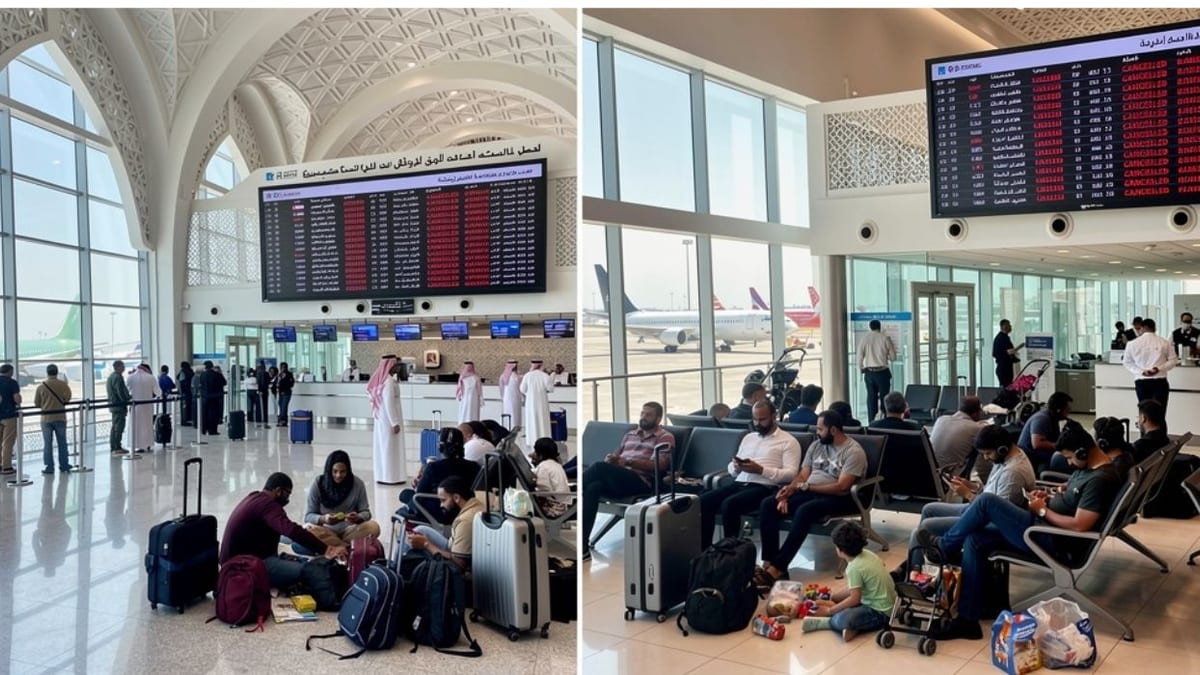
Key Gulf Air And Air Arabia Flights Scrubbed
Published flight information and regional aviation coverage indicate that several Gulf Air and Air Arabia services touching Oman have been removed from schedules in recent days, intensifying ongoing turbulence across Gulf air corridors. Among the affected services are Gulf Air flights GFA567 and GFA565, alongside Air Arabia service ABY393, which typically link Muscat and Salalah with Bahrain and Sharjah.
Travel industry reporting notes that flight number GFA567 has appeared repeatedly on recent cancellation lists from Muscat, highlighting how core Bahrain services remain vulnerable as airlines continue to adjust to shifting airspace and security conditions. Similar disruptions have been flagged for GFA565 on the Bahrain sector and for ABY393 on the Oman to Sharjah route, limiting options for both point to point travelers and those connecting onward to long haul networks.
The latest changes add to a broader pattern of schedule reductions across the Gulf region since late February, when regional tensions and intermittent airspace closures began to ripple through airline networks. While Oman’s own airspace remains technically open, carriers that rely on Bahrain and UAE hubs have had to repeatedly retime or cancel flights that would normally feed through Muscat and Salalah.
Airport schedule data for Muscat International Airport and Salalah Airport still lists Gulf Air and Air Arabia among operating carriers, but actual day of operation patterns have become far more erratic. Passengers report last minute messages about cancellations or major time changes, forcing unplanned overnight stays and missed onward connections.
Muscat And Salalah Struggle With Stranded Passengers
Local media in Oman and regional travel bulletins describe scenes of uncertainty at Muscat International Airport, where passengers bound for Bahrain or Sharjah have arrived to find their flights canceled or indefinitely delayed. Some travelers have reported being advised not to proceed to the airport until they receive confirmed departure times, an instruction that reflects how fluid schedules remain.
Advisories circulated to corporate travel managers and shipping and logistics operators at the end of March underline that Muscat International Airport is operational, but warn that inbound and outbound schedules are still vulnerable to knock on effects from neighboring airspace restrictions. Salalah Airport, in Oman’s south, is also open, yet regional disruption continues to affect its international links and onward connections.
The strain is especially visible for passengers who planned to use Oman as a quieter alternative to busier Gulf hubs. With Gulf Air’s Bahrain network and Air Arabia’s Sharjah operations both subject to rolling adjustments, travelers who once relied on Omani airports for stable connections are now encountering the same uncertainty seen elsewhere in the region.
Reports from travel forums and social channels suggest that some passengers have been left arranging their own accommodation and rebooking options when cancellations of flights such as GFA567, GFA565 or ABY393 are confirmed at short notice. Others have opted to reroute via alternative carriers still operating out of Muscat, even when this involves backtracking or long detours through more distant hubs.
Regional Airspace Crisis Continues To Drive Disruption
The wave of cancellations affecting Gulf Air and Air Arabia services to and from Oman is part of a broader regional aviation crisis triggered by the Iran conflict and associated security incidents across the Gulf. Since late February, multiple Gulf and Middle Eastern carriers have faced route suspensions, longer routings and abrupt schedule changes as airspace over or near conflict zones has periodically closed.
Analysis of schedule and operations data compiled by regional business outlets shows that Gulf Air and Air Arabia are among the airlines most heavily affected by cancellations in the current disruption cycle. One recent breakdown of outbound cancellations from Middle Eastern hubs estimated that Gulf Air has had to cut the overwhelming majority of its planned services on certain days, while Air Arabia has also seen a high proportion of flights scrubbed.
These patterns remain visible in the Oman market, where otherwise routine short haul hops from Muscat and Salalah to Bahrain and Sharjah are now exposed to wider network decisions taken in Manama and the northern Emirates. Even when Omani airspace is fully open, airlines must navigate overlapping restrictions and security assessments in neighboring jurisdictions, which can make it impossible to operate specific rotations safely or economically.
Travel advisories issued in late March and updated through mid April emphasize that while core airports such as Muscat remain functional, flight operations into key Gulf hubs including Bahrain and various UAE airports are still subject to sudden change. For passengers, that translates into persistent risk that booked flights could be shifted, consolidated or canceled altogether.
What Affected Passengers Are Being Advised To Do
Publicly available notices from airlines and travel management companies stress that passengers booked on Gulf Air or Air Arabia services involving Muscat or Salalah should monitor their reservations closely in the days leading up to departure. With flights such as GFA567, GFA565 and ABY393 appearing on cancellation lists, travelers are being urged to rely on official booking channels and airline communication tools for the latest status rather than assuming previously issued tickets will operate as scheduled.
Some carriers serving the wider region have introduced flexible rebooking and refund policies in response to the volatility, allowing customers to change travel dates or request credit without standard penalties when their flights are canceled. Although specific conditions vary by airline, travel agents and corporate travel departments are highlighting these options to minimize financial losses for stranded passengers.
Industry advisories also recommend that travelers avoid making same day surface connections into Oman when a flight to Bahrain or Sharjah is involved, unless they have up to date written confirmation that their service is operating. In several recent cases, passengers who crossed land borders or undertook long domestic journeys to reach Muscat or Salalah have later discovered that their onward Gulf Air or Air Arabia flight had been removed from the schedule.
Travel planners note that demand pressure on any remaining direct services between Oman and other Gulf hubs is likely to remain high for as long as airspace uncertainties persist. As a result, seats on alternative flights can sell out quickly once a cancellation wave hits, making advance contingency planning crucial for anyone whose itinerary depends on connections via Bahrain or Sharjah.
Outlook For Oman’s Short Haul Gulf Links
Forecasts from aviation analysts and route tracking services suggest that Oman’s short haul links to the Gulf will remain unstable at least through April, with further cancellations or timetable revisions possible at short notice. While Oman Air and other carriers are gradually rebuilding elements of their regional networks, services to Bahrain, Dubai, Doha and Sharjah continue to face a higher than usual risk of disruption.
At Muscat International Airport, airlines are understood to be prioritizing long haul and high demand regional routes that can be operated around existing airspace constraints, while selectively reinstating suspended services as security conditions allow. This approach may leave thinner routes such as some Bahrain and Sharjah rotations particularly exposed whenever new restrictions or operational challenges arise.
For Salalah, the picture is similar but magnified by the airport’s smaller scale and greater reliance on a limited set of regional links. Any cancellation of a flight like ABY393 removes not just a single option but in some cases the only direct low cost connection to key Gulf gateways on a given day, forcing passengers onto complex itineraries through Muscat or beyond.
Travel observers expect that once regional tensions ease further and airspace closures are fully lifted, airlines will move quickly to restore profitable Oman routes to Bahrain and Sharjah. Until then, the cancellations of GFA567, GFA565 and ABY393 stand as symptomatic of a wider Gulf aviation system still struggling to regain stability after weeks of unprecedented disruption.