


More news on this day
An orange-level heat advisory is in effect across parts of Minnesota and Wisconsin this week, as an unusually intense early summer heat wave drives temperatures and humidity to levels more typical of mid-July than early June.
Get the latest news straight to your inbox!
Unusual Early Season Heat Grips the Upper Midwest
Publicly available information from the National Weather Service indicates that large portions of central and northern Minnesota and neighboring areas of northwest Wisconsin are under a heat advisory, with heat indices expected to climb into the mid and upper 90s Fahrenheit. The alerts, highlighted in orange on federal weather maps, reflect a combination of high temperatures and substantial humidity that can make conditions feel significantly hotter than the actual air temperature.
The advisory period covers multiple counties stretching from the Brainerd Lakes region and the Iron Range in Minnesota to counties such as Burnett, Sawyer, and Washburn in Wisconsin. In many of these locations, forecast high temperatures in the upper 80s to low 90s, coupled with dew points in the upper 60s and 70s, are creating conditions that local forecasters describe as more typical of peak summer than the second week of June.
Weather briefings circulated over the past several days describe a broader dome of hot, humid air building over the central United States, with the Upper Midwest sitting on the northern flank of that system. While the hottest readings are focused farther south, Minnesota and Wisconsin are experiencing a sharp and early transition into midsummer heat after a relatively mild spring in many areas.
Travel and outdoor activity patterns across the region are already shifting, with early season lake tourism, hiking, and camping overlapping with conditions more often associated with late July heat waves. Communities that normally ease into summer warmth are instead confronting a rapid onset of oppressive heat just as seasonal travel and events are ramping up.
Health Risks Elevate as Temperatures and Dew Points Spike
Heat advisories in the United States typically signal an elevated risk of heat-related illness for anyone spending time outdoors, and the current orange-level alerts in Minnesota and Wisconsin are no exception. Public health guidance from state agencies and county emergency managers emphasizes that even healthy individuals can experience heat exhaustion or heat stroke when active in high heat and humidity, particularly during the hottest hours of the afternoon.
Recent outreach materials from Minnesota county health departments ahead of the summer season have urged residents and visitors to stay hydrated, limit strenuous activity during peak heat, and seek out air-conditioned spaces when possible. These materials highlight that the body’s natural cooling mechanisms become less effective when humidity is high, meaning that heat stress can develop quickly during activities like yard work, construction, or long walks between destinations.
Older adults, young children, outdoor workers, and people with underlying medical conditions are identified as especially vulnerable. Public guidance circulating this week encourages travelers to check on family members and neighbors, never leave children or pets in parked vehicles, and know the signs of heat-related illness, such as dizziness, confusion, or rapid pulse.
The timing of the heat surge in early June adds another layer of concern. Because the region’s residents and visitors are still acclimating to warmer conditions after spring, health experts note that the same temperatures can be more stressful on the body than similar readings later in the summer, when people are more accustomed to the heat.
Travelers Face Compounded Risks from Heat and Storms
The early summer heat is arriving alongside an active storm pattern, complicating travel plans across Minnesota and Wisconsin. Weather outlooks over recent days describe several rounds of showers and thunderstorms tracking across the region, some capable of producing damaging winds, hail, and heavy downpours. This combination of high heat and episodic severe weather is creating intermittent disruptions to road, air, and outdoor recreation travel.
Publicly available forecasts point to a familiar early summer pattern, in which hot, humid daytime conditions help fuel late-afternoon and evening thunderstorms. Travelers driving long distances between the Twin Cities, Duluth, Madison, and smaller regional hubs may encounter rapidly changing weather along their routes, from sun and heat to sudden downpours and gusty storms. Motorists are being encouraged through local media coverage to monitor forecasts frequently and allow extra time for delays.
For those heading to lakes, campgrounds, and state parks, the convergence of heat and storms demands extra planning. Hot afternoons may invite swimming, boating, and hiking, but incoming storms can arrive quickly, with lightning risk on open water and exposed ridgelines. Travel reports note that campgrounds and trail systems in northern Minnesota and northwest Wisconsin are already entering peak use, adding congestion at popular access points just as weather hazards increase.
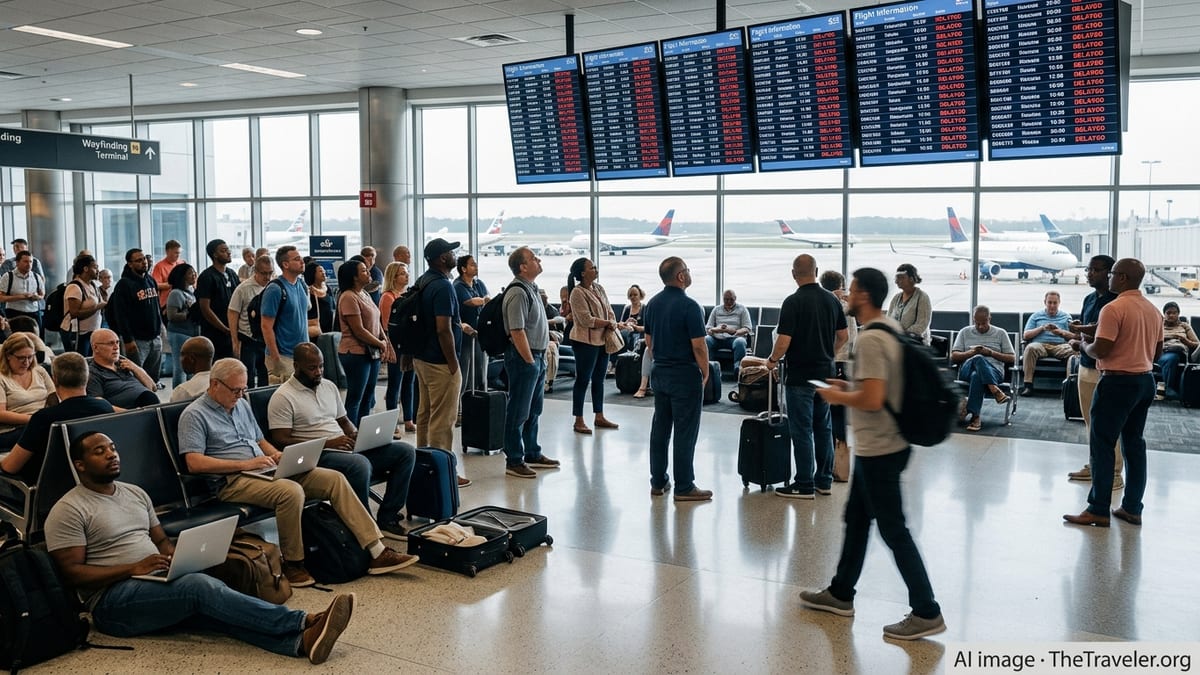
Regional airports are also navigating the unsettled pattern. While the heat itself rarely causes major air travel disruptions, strong thunderstorms can temporarily halt departures and arrivals, leading to ripple effects across airline networks. Travelers connecting through Minneapolis–Saint Paul International Airport or flying into regional airports in Duluth, La Crosse, or Eau Claire are advised by airline notifications and local coverage to keep a close eye on flight status updates during the hottest and most storm-prone periods of the day.
Infrastructure, Events, and the Tourism Season Under Pressure
The orange heat advisory is landing at a pivotal time for communities and businesses that depend on summer tourism. Early June typically brings an uptick in cabin rentals, resort stays, fishing trips, and festivals across the Northwoods of Minnesota and Wisconsin. The return of significant heat so early in the season is testing preparations at campgrounds, lodges, small-town motels, and seasonal attractions that may have only recently reopened for summer.
Local news coverage notes that event organizers are reassessing schedules, shade availability, and access to cooling options at outdoor festivals, concerts, and community gatherings. Some afternoon events are being shifted toward mornings or evenings to avoid peak heat, while others are increasing the availability of water stations and tented rest areas. Farmers markets, parades, and youth sports tournaments in affected counties are all part of this improvised response to the sudden heat surge.
The heat is also placing additional strain on transportation and utility infrastructure. Prolonged high temperatures can exacerbate pavement buckling on highways, expand minor rail defects, and push electricity demand higher as air conditioning use spikes. Utilities and transportation agencies across the Upper Midwest routinely plan for such conditions later in the summer, but the early onset in June is accelerating the need for monitoring and maintenance.
Travelers planning road trips into or through the advisory area are being encouraged in public advisories and local reporting to carry extra water, confirm that vehicle cooling systems are functioning properly, and account for potential slowdowns due to road work or weather-related delays. For many, adapting to this early burst of extreme heat means treating even short drives between lakeside towns and urban centers as journeys that require added preparation.
Safety Guidance for Visitors Navigating the Heat Wave
As the orange heat advisory continues, agencies and organizations across Minnesota and Wisconsin are amplifying safety messages aimed at both residents and out-of-state visitors. Public information campaigns centered on “heat awareness” stress that simple steps can significantly reduce risk: drink water regularly, wear light and breathable clothing, and take frequent breaks in shaded or air-conditioned spaces.
Travel-focused advice circulating this week suggests that visitors build heat considerations into every part of the day. Morning hours are recommended for strenuous activities such as long hikes, bike rides, or extended sightseeing, while afternoons are better reserved for indoor attractions, museum visits, or relaxed time at shaded lakeside venues. Travelers are also encouraged to review the latest local forecasts before embarking on backcountry excursions or long rural drives, where services and shelter may be more limited.
Hotels, resorts, and vacation rentals play an important role in helping guests navigate the conditions. Many properties in the advisory area are using signage and guest communications to remind visitors about hydration, sun protection, and awareness of symptoms like nausea or headache that may signal developing heat stress. In smaller communities, libraries, community centers, and shopping centers often serve as informal cooling locations, providing respites from the heat for both locals and travelers.
With early summer still unfolding, forecasters are watching to see whether this week’s heat advisory signals a broader trend toward more frequent or intense warm spells in the months ahead. For now, anyone traveling through Minnesota and Wisconsin is being urged, through publicly available guidance and regional media coverage, to treat the orange heat advisory as a serious prompt to adjust routines, respect the conditions, and plan journeys with both comfort and safety in mind.