


More news on this day
Over 200 SpiceJet passengers staged a protest at Delhi’s Indira Gandhi International (IGI) Airport after repeated flight delays, adding to a growing list of recent disruption episodes that have tested traveler patience and put fresh attention on India’s passenger-rights framework.
Get the latest news straight to your inbox!
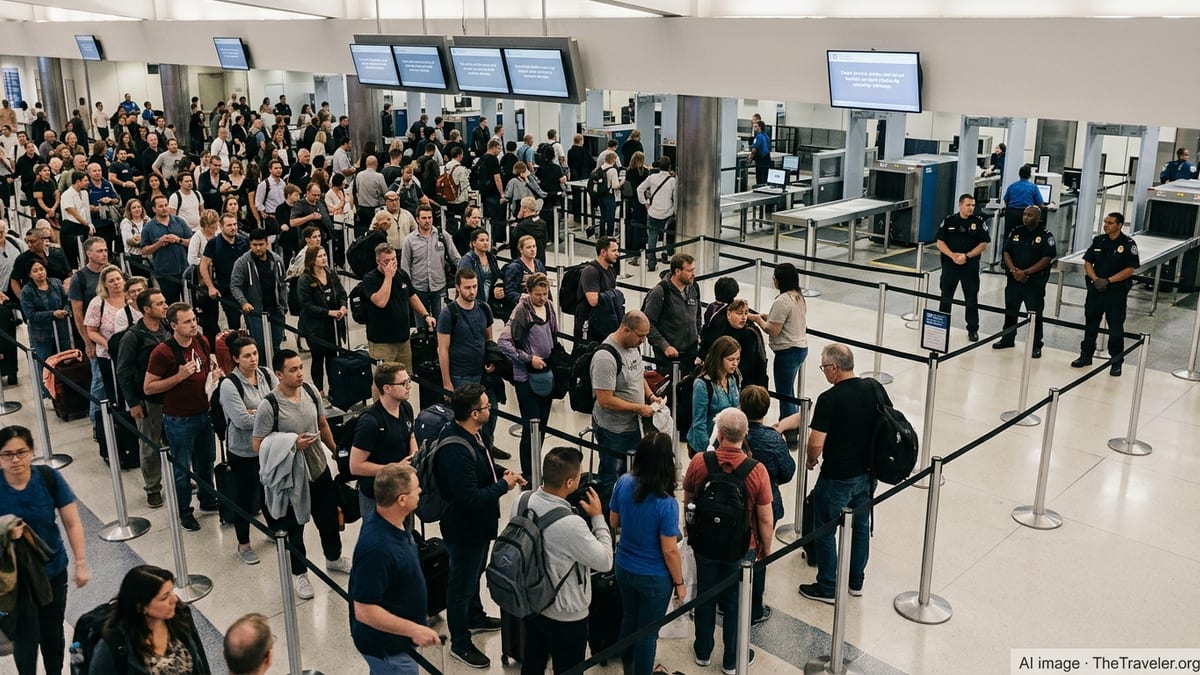
What happened at Delhi’s IGI Airport
Published coverage describes a crowd of affected passengers gathering at the airport to protest after facing repeated schedule slippages, with some reports placing the number of protesters at more than 200. The incident played out inside the terminal area, where travelers pressed for clearer updates and faster resolution as departure times shifted.
The disruption fits a pattern seen in multiple recent SpiceJet-related incidents at Delhi, where passengers have publicly complained about long waits, delayed boarding, and communication gaps. In one widely reported episode involving flight SG 105 on August 11, 2026, passengers traveling from Delhi to Pune described extreme discomfort inside the aircraft linked to an air-conditioning problem, and reports indicate the aircraft returned to the parking bay after an attempted departure sequence was halted.
While the specific operational reason for the protest involving over 200 passengers has been described differently across outlets, the common thread in coverage has been repeated delays and the cumulative effect of revised departure times. For travelers, the practical impact has been missed connections, late-night airport waits, and the added cost of meals and local transport when disruptions stretch into overnight hours.
A string of delay-related flare-ups puts pressure on operations
The Delhi protest comes amid broader reporting on repeated delays affecting SpiceJet passengers on other routes as well. Recent coverage from Pune, for example, has highlighted cases where flights ran hours late and travelers reported extended waits at the airport, sometimes with multiple revisions to the estimated time of departure.
Separate Delhi-based incidents have also attracted attention because they involved onboard conditions in addition to timing issues. Reports about the August 11, 2026 Delhi to Pune flight describe passengers refusing to proceed after time spent in a hot, humid cabin before departure, with the delay extending late into the night and passengers later spending hours at the airport.
These episodes have become highly visible partly because they unfold in crowded terminal environments where delays ripple quickly into gate changes, re-screening, and congestion at customer-service counters. In India’s largest hub airports, even a handful of highly delayed flights can create long lines for rebooking and baggage questions, especially during evening peaks.
What India’s passenger-rights rules say during delays
India’s Ministry of Civil Aviation and the Directorate General of Civil Aviation (DGCA) publish passenger-rights guidance that sets out what airlines are expected to provide during long delays, cancellations, and denied boarding. The framework commonly referenced in public-facing guidance includes assistance such as meals and refreshments when delays cross specified thresholds, along with options such as refunds or alternate arrangements in longer disruptions.
Publicly available guidance also indicates that if a delay extends overnight into the next day, passengers may be entitled to hotel accommodation and transfers in applicable cases. Separately, the rules distinguish between disruptions within an airline’s control and those attributed to extraordinary circumstances such as weather, air traffic control constraints, or security issues, which can affect compensation obligations.
For travelers caught in repeated revisions, the most immediate practical step is documenting the timeline: screenshots of revised departure times, boarding announcements, and any messages from the airline. This record can matter if a traveler later seeks a delay certificate, requests a refund, or files a formal grievance through airline and government channels.
What travelers can do at the airport when delays keep changing
When a flight’s departure time is repeatedly pushed back, travelers often face a decision between waiting, rebooking, or seeking a refund depending on the delay length and available alternatives. In practice, the fastest path to a workable solution can be checking both the airline’s app and the airport’s flight information displays, then approaching the carrier’s service desk with a clear request: confirmed revised departure time, rebooking options, or a refund process if the traveler no longer intends to fly.
For passengers traveling with tight onward connections, the key issue is whether the itinerary is on a single ticket. Missed connections on separate tickets can leave travelers paying twice unless they can secure a discretionary waiver or a refund under the applicable conditions. Travelers with essential commitments often choose to book an alternate carrier once the delay crosses several hours, then pursue refunds later where eligible.
If a delay turns into an overnight situation, travelers can ask the airline, in writing if possible, about accommodation eligibility and meal support. When services are not readily available at the counter due to long queues, travelers can preserve receipts for food and local transport and keep a record of what was offered at the airport at that time, recognizing that reimbursement eligibility can depend on the cause of the disruption and the specific DGCA thresholds.
Why repeated delays are a bigger reputational risk than single disruptions
For airlines, a single operational disruption can sometimes be absorbed as a one-off event. Repeated delays on the same route, or a pattern of frequent revisions, tends to trigger stronger passenger backlash because it undermines confidence in the published schedule and makes it harder for travelers to plan connections, airport transfers, and hotel check-ins.
In the Delhi protest, the scale of the crowd highlighted how quickly frustration can compound when communication is unclear or when passengers feel they are learning about extensions in small increments rather than receiving a realistic revised departure estimate upfront. In a high-traffic airport environment like IGI, that dynamic can spill into visible protests that disrupt gate operations and draw wider scrutiny.
The larger takeaway for travelers is that disruption risk is not only about whether a flight leaves late, but also about predictability and support. As more passengers rely on real-time updates and expect clear entitlements during long waits, incidents like the Delhi protest are likely to keep passenger-rights rules and airline service standards in the spotlight.