


More news on this day
Thousands of passengers across Europe are facing a fresh wave of disruption as more than 90 flights are cancelled or heavily delayed across key hubs including Amsterdam Schiphol, Paris Charles de Gaulle, Copenhagen and Kraków, with major carriers such as Lufthansa, Swiss International Air Lines, KLM and SAS again forced to trim their schedules.
Get the latest news straight to your inbox!
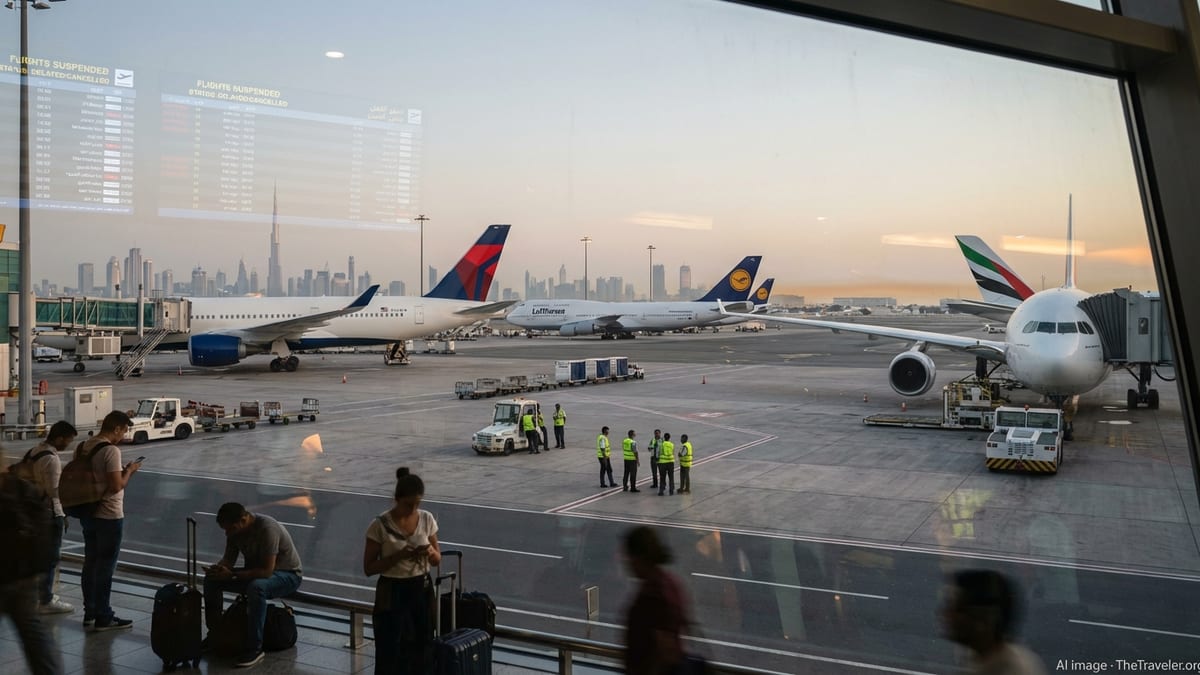
Major Hubs Buckle Under Fresh Wave of Cancellations
Reports from airport monitors and flight-tracking services on 7 and 8 June indicate that dozens of short-haul and regional services were pulled from schedules at Amsterdam Schiphol, Paris Charles de Gaulle, Copenhagen Airport and John Paul II Kraków-Balice International Airport, among others. While the individual cancellations vary by carrier and route, combined figures across these hubs point to more than 90 flights removed from operation over the weekend.
Amsterdam Schiphol, one of Europe’s busiest transfer airports, has seen a concentration of cancellations on intra-European routes serving cities such as Rome, Copenhagen, Zurich and Berlin. Publicly available timetable data shows multiple rotations scrubbed or consolidated, particularly in the morning and late-evening banks where aircraft and crew are already tightly scheduled.
Paris Charles de Gaulle and Copenhagen have also reported elevated cancellation totals on feeder routes linking into long-haul networks. In Copenhagen, several Scandinavian Airlines departures to European capitals were dropped or merged into later services, while in Kraków, connectivity into major hubs including Frankfurt, Munich and Amsterdam has been repeatedly affected.
Across these airports, passengers have shared images and accounts of crowded check-in halls, long queues at transfer desks and overnight stays in terminal seating as they wait for rebooking options. The cumulative effect is a sense of rolling disruption rather than a single, isolated incident.
Airlines Under Pressure: Lufthansa, Swiss, KLM, SAS and Others
The disruption is not confined to one carrier. The Lufthansa Group, which includes Lufthansa and Swiss International Air Lines, has already confirmed substantial schedule reductions for the 2026 summer season, including tens of thousands of short-haul flights cut through October to conserve fuel and stabilize operations. Many of the latest cancellations at hubs such as Frankfurt, Munich, Zurich and Vienna are spilling over into feeder routes that touch Amsterdam, Paris, Copenhagen and Kraków.
KLM, the main operator at Amsterdam Schiphol, has been grappling with its own network challenges. Recent coverage highlights that the airline has cancelled a series of flights from Amsterdam to key European destinations, leaving transatlantic and European transfer passengers facing missed connections and unplanned overnight stays. Even when specific flights remain on the board, downstream disruption from previous days is leading to last-minute aircraft and crew changes.
Scandinavian Airlines is likewise trimming or reshaping its timetable from bases in Copenhagen and Stockholm, with a particular focus on secondary destinations where load factors are weaker or where aircraft can be redeployed to higher-yield routes. Swiss, operating primarily out of Zurich and Geneva, is following similar patterns, selectively cancelling rotations on regional sectors while attempting to preserve its long-haul schedule where possible.
Low-cost and leisure-focused airlines are not immune. Regional operators feeding into the major hubs have cancelled or re-timed services, intensifying the impact on passengers who rely on tight connections to reach long-haul departures or holiday destinations in southern Europe and beyond.
Why So Many Flights Are Suddenly Vanishing
Several overlapping factors lie behind the spike in cancellations, according to industry analyses and recent aviation reports. The first is the steep rise in jet fuel prices linked to geopolitical tensions, which has pushed airlines across Europe to reassess their summer schedules. Cutting thinner short-haul routes, particularly those serving secondary airports, has become a key lever for conserving fuel and protecting margins.
At the same time, airlines and airports continue to deal with staffing constraints in ground handling, security screening and technical maintenance. Even modest shortfalls in these areas can ripple quickly through tightly timed operations at complex hubs such as Amsterdam and Paris. When aircraft wait longer on the ground for de-icing, baggage loading or pushback slots, the knock-on delays can force later flights in the rotation to be cancelled entirely.
Air traffic management challenges add a further layer of complexity. Recent network performance summaries from European air navigation authorities highlight congestion hotspots and occasional airspace restrictions, which reduce overall capacity on key corridors. When such constraints coincide with weather issues or local operational problems at hubs like Copenhagen or Kraków, airlines often have little choice but to cut flights at short notice.
There is also a strategic element. Some carriers are deliberately consolidating frequencies, combining passengers from multiple lightly booked flights onto a smaller number of departures. This approach helps to maintain network connectivity while reducing the total number of aircraft in the air, but it means more travellers see their original flight number disappear from the timetable, even if a later alternative exists.
Passengers Face Queues, Rebookings and Compensation Battles
For passengers, the immediate reality is long queues at service desks, difficulty accessing call centres and uncertainty around when replacement flights will depart. Travellers at Amsterdam, Paris and Copenhagen have described waiting hours to secure rebookings, with some being routed through unfamiliar hubs or required to add extra connections to reach their destinations.
Accommodation and meal arrangements vary by carrier and by the cause of the cancellation. Under European passenger rights rules, many travellers on flights cancelled at short notice are entitled to care and, in some circumstances, financial compensation. However, ongoing debates around what constitutes extraordinary circumstances, such as fuel-related schedule cuts or compounded air traffic delays, mean that successful claims can require persistence and detailed documentation.
Digital tools offered by airlines, including mobile apps and online disruption portals, are playing a larger role in the current wave of cancellations. Passengers who manage to rebook through apps or automated systems often avoid the longest airport queues, though same-day options are limited on popular routes where alternative flights are already heavily booked.
Consumer advocates are advising affected travellers to keep records of boarding passes, cancellation messages and any out-of-pocket expenses, as well as to check both airline policies and European regulations when pursuing refunds or compensation. With schedule cuts expected to continue through the summer peak, many passengers are being urged to build in longer connection times and to monitor their bookings closely in the days leading up to departure.
What to Watch in the Coming Weeks
Industry observers expect further timetable adjustments from European carriers in June and July as fuel markets, demand patterns and staffing levels evolve. Airlines including Lufthansa, Swiss, KLM and SAS are likely to continue fine-tuning networks in response to booking data, potentially restoring some flights while cancelling others with little advance notice.
Major hubs such as Amsterdam Schiphol, Paris Charles de Gaulle and Copenhagen will remain key bellwethers for overall system stability. Persistent bottlenecks at these airports tend to cascade quickly across the continent, affecting smaller airports like Kraków that depend heavily on hub connections for both business and leisure traffic.
Travel planners note that travellers with critical time-sensitive journeys, such as events or cruises, may want to consider earlier arrival dates or contingency routings to reduce exposure to last-minute cancellations. Flexible ticket options and comprehensive travel insurance products that explicitly cover schedule changes are also attracting renewed interest.
For now, the pattern across Europe points to an unsettled summer for air travel, with further cancellations likely as airlines juggle high demand, rising costs and operational constraints. Passengers flying through affected hubs are being encouraged to stay alert to schedule changes and to prepare for the possibility that their original flight plans may need to be rapidly rewritten.