


More news on this day
From the outside, Nigeria’s busy domestic terminals suggest a thriving aviation market. Inside the balance sheets of carriers such as Arik Air and Ibom Air, however, publicly available information points to an industry battling conditions some analysts now compare with Afghanistan as among the hardest in the world for airlines to survive.
Get the latest news straight to your inbox!
A Market Where Airlines Rarely Live Beyond Five Years
Nigeria has a long history of airline collapse, with several locally owned carriers shutting down after only a few years of operation. Industry analyses over the last decade describe an average lifespan of around five years for Nigerian airlines, a figure that has become shorthand for just how unforgiving the market can be. Only a small cluster of names, including Arik Air, Air Peace and Ibom Air, have managed to stay in the air for longer.
Reports on the sector attribute this churn to a mix of structural problems rather than to mismanagement alone. These include volatile input costs, weak supporting infrastructure and limited access to affordable capital. Even relatively well run airlines are described as operating on a knife edge, with profitability often sacrificed simply to keep aircraft flying and maintain market presence.
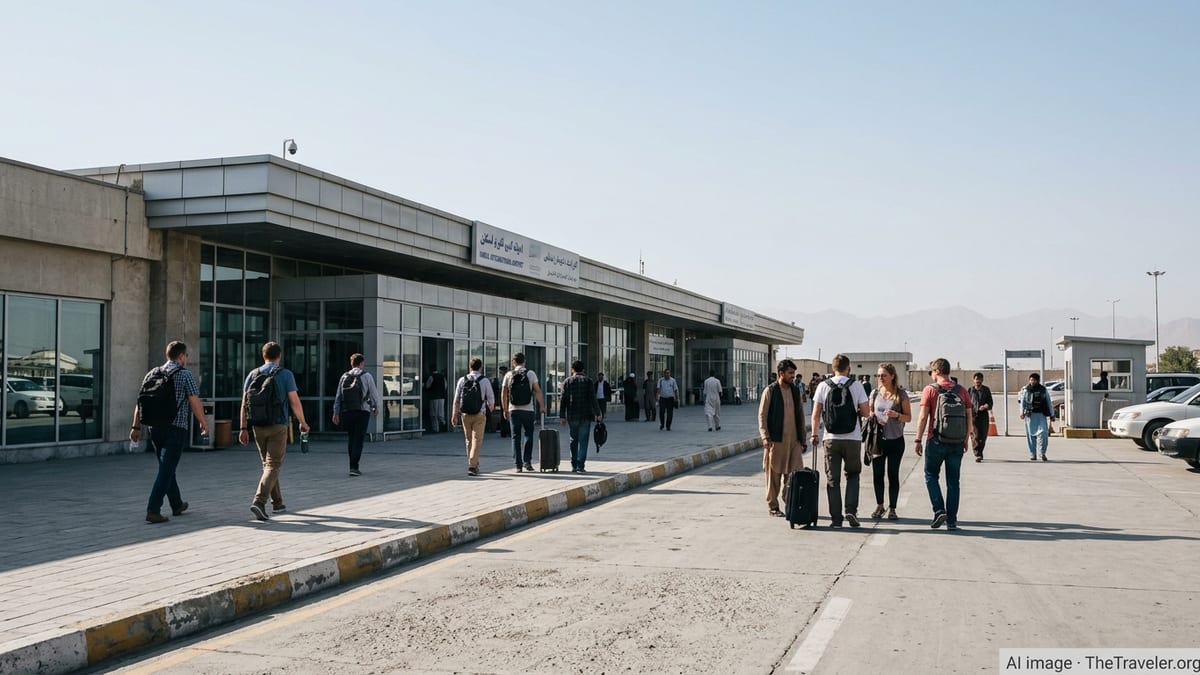
Afghanistan’s aviation market, though far smaller, shows some of the same symptoms in more extreme form. Years of conflict, security concerns and international sanctions have left that country with a thin network of routes, heavy dependence on foreign technical support and a restricted pool of international partners. Analysts who compare the two markets point out that, while the drivers differ, both environments stretch airline business models to their limits.
The contrast in scale is striking. Nigeria, Africa’s most populous country with strong underlying demand for mobility, still struggles to support a stable roster of airlines. Afghanistan, with far fewer passengers but similar macroeconomic and security headwinds, has seen carriers repeatedly scale back or suspend operations. In both cases, the basic challenge is turning fragile demand into sustainable returns.
Fuel, Forex and Taxes: Cost Pressures Few Carriers Can Absorb
Operators in Nigeria consistently highlight costs as their most immediate threat. Jet fuel, which globally is often estimated to account for around a third of airline operating expenses, has been reported by Nigerian carriers as consuming up to 40 percent or more of total costs in recent months. Because the fuel is largely imported and priced in dollars, every bout of naira depreciation pushes expenses higher even when global oil prices are stable.
Foreign exchange scarcity compounds the problem. Airlines pay for aircraft leases, major maintenance, insurance, navigation systems and reservation technology overwhelmingly in dollars or euros. Publicly available data and local business coverage describe carriers relying on parallel markets to source hard currency when official channels cannot meet demand. That raises effective costs further and introduces uncertainty into route planning and pricing.
Multiple layers of taxation and charges add to the burden. Domestic Nigerian reports list ticket sales charges, passenger service fees, security levies, parking and landing fees, as well as charges from air navigation and airport authorities. Industry commentators argue that when all these are passed through to passengers, fares climb to levels that many Nigerian travellers can no longer afford, shrinking demand and leaving airlines with low load factors on already expensive flights.
Afghan airlines face a different but equally punishing cost profile. Security-related outlays, higher insurance premiums, overflight restrictions and the need to base technical operations abroad push unit costs up sharply. International sanctions and banking restrictions can complicate payments for fuel and services. The result, as various regional aviation reviews suggest, is that ticket prices often rise beyond the reach of ordinary travellers, constraining demand in much the same way as high taxes and currency stress do in Nigeria.
Infrastructure Gaps and System Inefficiencies Erode Revenue
Ibom Air has become a prominent case study in how infrastructure and systemic inefficiencies can drain airline finances in Nigeria. Public statements from the airline’s leadership and coverage by Nigerian media describe how limited runway availability, congestion and operational constraints at several airports have forced schedule reductions and chronic underutilisation of aircraft. The carrier has indicated that these inefficiencies translate into tens of billions of naira in lost revenue each year.
Idle aircraft represent sunk capital and missed opportunity. When a jet that could fly multiple rotations per day is grounded for want of slots, ground handling capacity or reliable power at airports, the airline still bears fixed costs such as leases, crew salaries and maintenance reserves. Industry analysts note that this dynamic is not unique to Ibom Air, but is shared across many domestic operators that struggle to achieve the aircraft utilisation rates seen in more efficient markets.
Infrastructure gaps extend beyond runways and terminals. Limited local maintenance, repair and overhaul capacity means heavy checks are frequently outsourced to facilities abroad, paid for in foreign currency and subject to logistical delays. Unreliable ground power and fuel supply interruptions can further disrupt schedules, creating knock-on delays that frustrate passengers and raise compensation and repositioning costs for airlines.
Afghanistan’s aviation infrastructure, while less documented, has also been heavily affected by years of conflict and underinvestment. Reports from international agencies describe damage or limited functionality at several airports, reliance on foreign expertise for critical systems and periodic closures tied to security events. For Afghan carriers, each disruption can mean suspended routes, the loss of hard-won traffic rights and prolonged periods where aircraft sit idle rather than earning revenue.
Demand That Is Growing, Volatile and Price Sensitive
On paper, Nigeria offers a far more attractive demand story than Afghanistan. With more than 200 million people, strong diaspora links and economic hubs spread across multiple cities, the country should be a natural candidate for a robust domestic and regional airline industry. Passenger statistics in recent years, however, show uneven growth and periods of outright decline, particularly when fares spike in response to fuel or foreign exchange shocks.
Analysts observe that Nigerian passengers are highly price sensitive. When ticket prices move sharply higher, many travellers either switch back to long-distance road travel despite security concerns or simply cancel trips altogether. That erosion of volume hits airlines at precisely the moment they need higher load factors to spread rising costs across more seats, creating a vicious cycle of falling demand and higher unit costs.
Afghanistan’s demand base is smaller and shaped by different forces, notably security and international mobility restrictions. Much of the traffic involves humanitarian, government, business and diaspora travel rather than mass-market tourism or domestic business shuttles. Any deterioration in security conditions or changes in international recognition can cause sudden drops in traffic or shifts in which airlines are allowed to operate, further undermining route stability.
In both markets, thin yields and volatile demand make it difficult to build long term networks. Airlines have limited room to experiment with new routes or frequencies, because a single underperforming service can quickly drain scarce cash. The result, business commentators note, is a cautious approach to expansion and a tendency to focus on a handful of trunk routes, even when broader connectivity is sorely needed.
Different Politics, Similar Survival Calculus
The political and regulatory backdrops in Nigeria and Afghanistan are very different, yet both create uncertainty that feeds into airline risk calculations. Nigerian carriers operate within a liberalised market but often call for clearer long term policies on taxes, forex access and infrastructure investment. Shifts in government priorities or sudden regulatory changes, such as new financial guarantees or revised licensing rules, can alter operating conditions in ways that are hard for airlines to anticipate.
Afghan airlines, by contrast, operate within a highly constrained international environment shaped by the country’s political status and security situation. Access to international financing, insurance markets, training and technical partnerships is limited. International carriers may reduce or suspend services in response to geopolitical developments, further isolating local operators and concentrating risk.
For Arik Air, Ibom Air and their peers in Nigeria, these cross cutting pressures translate into an almost continuous struggle to balance survival with growth. Publicly available information on the sector portrays management teams that must react quickly to currency swings, fuel price jumps or new fees, often with little buffer. Every new aircraft order or route launch carries outsized risk compared with more stable markets.
Afghan airlines face a similarly unforgiving calculus. Network choices, fleet decisions and partnership strategies are all constrained by external forces. Both markets illustrate how aviation, often viewed as a symbol of national connectivity and modernity, can become one of the most fragile parts of an economy when macroeconomic, political and infrastructure challenges converge.