


More news on this day
Scores of Air India Express passengers departing from Chennai were left stranded overnight after a flight was repeatedly delayed following a reported technical issue, adding to growing frustration over disruptions and passenger care on Indian domestic routes.
Get the latest news straight to your inbox!
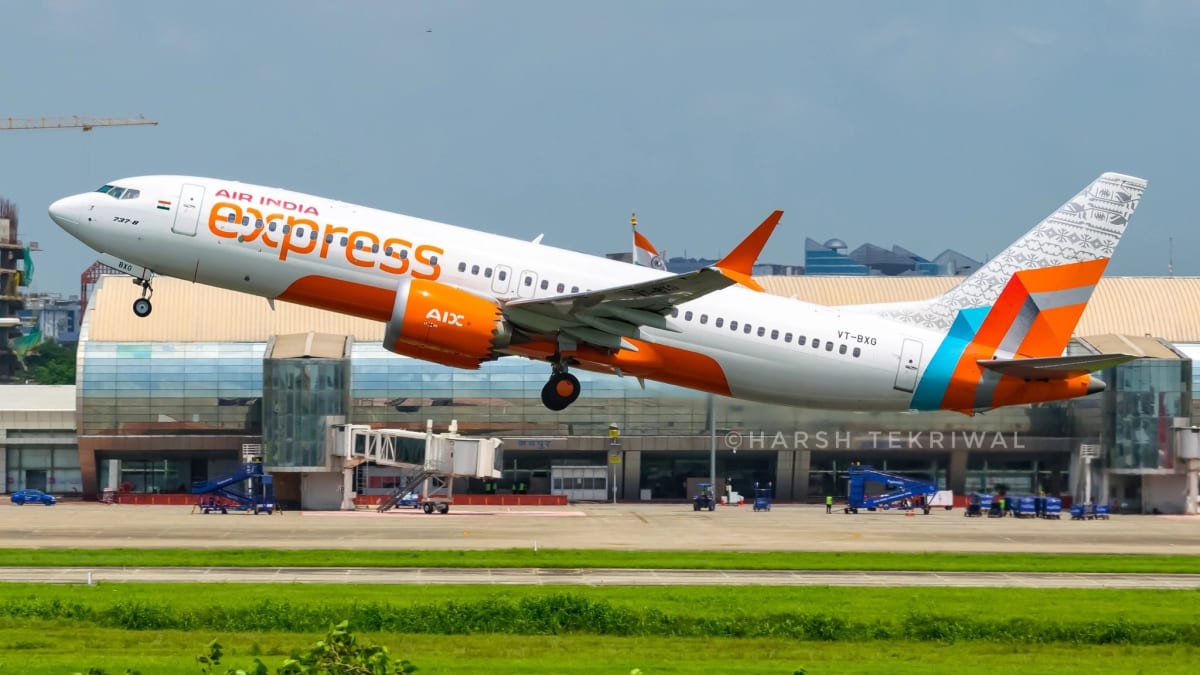
Passengers Face Long Night at Chennai Airport
Reports from Chennai indicate that an evening Air India Express departure was delayed for many hours after the aircraft developed a technical snag close to its scheduled pushback. Travellers who had already completed check-in and security formalities were asked to remain in the terminal as revised departure times slipped late into the night.
Several accounts describe families with young children, elderly travellers and passengers using wheelchairs waiting in crowded seating areas as the delay stretched well past midnight. With no clear indication of when the flight would be rescheduled, many remained at the gate area, unwilling to move too far from flight information displays or public announcements.
The incident is the latest in a series of disruption stories involving Indian carriers, particularly on busy metro routes through Chennai, where a mix of technical issues, operational constraints and heavy traffic have frequently combined to create long and unpredictable delays for travellers.
Questions Over Accommodation, Meals and Support
Publicly available information from Air India Express on refunds and disruptions states that passengers already at the airport when a flight is cancelled or significantly delayed may be entitled to meals, refreshments and, in the case of overnight delays, hotel accommodation and transfers, subject to availability. These provisions broadly mirror wider guidance on passenger facilities in the event of extended waits.
However, accounts emerging from the latest Chennai delay describe passengers attempting to arrange their own food and rest areas while they waited for updates. Some travellers reportedly slept on chairs and floor spaces near the departure gates, while others left the terminal to look for nearby lodging, uncertain whether the airline would provide accommodation or confirm a firm departure time by morning.
Similar complaints have circulated online in recent months from Air India Express customers caught in long delays at other airports, describing confusion around entitlements, inconsistent information and difficulty obtaining written confirmation of disruption for later claims. The Chennai episode appears to have reinforced concerns that guidelines on care and assistance are not always matched by on-the-ground delivery when irregular operations occur.
Communication Breakdowns Undermine Confidence
Beyond the length of the delay itself, many of the strongest reactions from Chennai passengers focus on communication. Travellers described long stretches with limited public announcements, shifting departure estimates on display boards and uncertainty over whether the flight would eventually depart or be cancelled and rebooked.
Recent coverage of disruptions affecting Air India Express and other Indian carriers has repeatedly highlighted communication gaps as a key source of passenger dissatisfaction. In several high-profile cases involving delayed flights, flyers have reported learning about cancellations or major schedule changes only after extended waits at the gate or through last-minute messages on booking apps.
For travellers stranded overnight, clear and timely communication can be as important as compensation or alternative arrangements. Without reliable updates, passengers are left unsure whether to stay in the terminal, seek accommodation, rebook on other airlines or adjust onward connections and ground transport.
Broader Pattern of Disruptions Across Indian Skies
The Chennai delay comes amid wider scrutiny of reliability across Indian aviation, where rapid growth in demand has strained infrastructure and operations. In Tamil Nadu alone, previous disruptions have seen large numbers of passengers stranded for hours in Chennai when operational issues affected multiple flights on the same day.
Low-cost and hybrid carriers, including Air India Express, play a central role in connecting tier-two cities and regional hubs with major metros such as Chennai. Industry data and published coverage show that the airline now operates hundreds of daily flights to domestic and international destinations, making punctuality and disruption management a crucial part of its brand promise.
Analysts note that while technical snags and weather are unavoidable at times, the passenger experience during irregular operations has become a key differentiator between airlines. Efficient rebooking, transparent delay notifications and consistent application of meal and accommodation policies are increasingly seen as essential to maintaining trust, particularly among frequent flyers and those with tight onward connections.
Calls for Stronger Passenger Rights and Enforcement
The latest overnight stranding in Chennai is likely to fuel renewed discussion about passenger protections in India, including compensation and care during long delays. Publicly available regulatory material and consumer advisories frequently stress that passengers should receive support such as meals, refreshments and, where necessary, hotel stays, especially when disruptions are within the airline’s control.
Consumer advocates argue that such rights need clearer enforcement mechanisms, pointing to recurring online testimonies of travellers who say they received little assistance despite lengthy waits. Overnight delays, they contend, disproportionately affect vulnerable passengers, including the elderly, people with disabilities and families traveling with infants.
The Chennai incident underscores how a single technical fault can evolve into a prolonged ordeal when combined with limited communication and uncertainty about support. As Indian aviation continues to expand, pressure is likely to grow on carriers and regulators alike to ensure that when disruptions do occur, passengers are not left to navigate long nights in the terminal on their own.