


More news on this day
Rail travel to one of Devon’s best known seaside resorts remains disrupted after a major blaze at Paignton railway station, which reports indicate is now being treated as a suspected arson attack.
Get the latest news straight to your inbox!
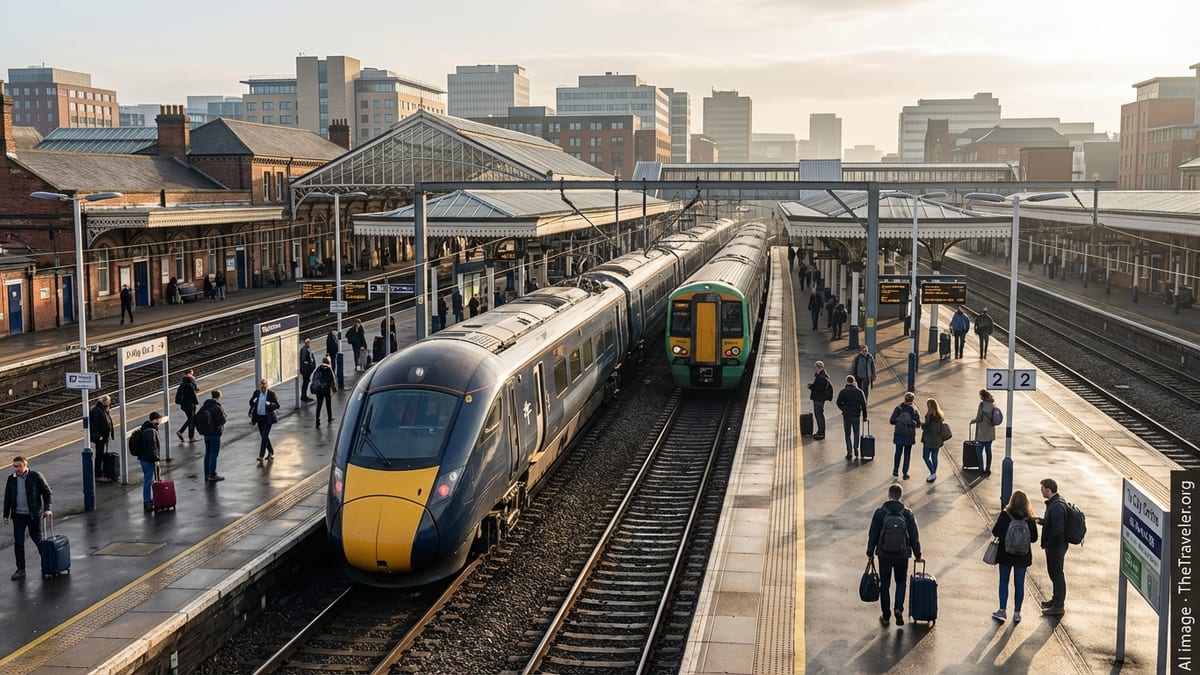
Blaze at gateway to English Riviera holiday coast
The fire broke out at Paignton station in south Devon early on Tuesday 21 July, affecting parts of the station buildings and adjacent infrastructure. Publicly available information indicates that emergency services were called shortly before the morning peak, with smoke visible across the town centre and around the level crossing that sits at the heart of the resort’s transport hub.
According to published coverage, the incident forced the suspension of Great Western Railway services through Paignton and led to cancellations and delays across the wider Torbay rail corridor. Local roads around the station were also restricted for several hours, impacting buses, taxis and private vehicles at the height of the summer holiday season.
Initial reports pointed to a rapid spread of the blaze through station structures close to the platforms. Images shared by regional news outlets showed charred roof sections and damaged canopies, underlining the scale of the clean up now required before full operations can safely resume.
No fatalities have been reported, and early accounts from the scene indicate that people in and around the station were able to move away from the affected area as emergency crews arrived. The focus has now shifted from active firefighting to investigation and recovery.
Arson line of inquiry as train services slowly return
Within twenty four hours of the incident, regional broadcasters were reporting that the fire was being investigated as suspected arson, with several teenagers detained for questioning on suspicion of involvement. Coverage across UK media has highlighted that the line of inquiry centres on the belief that the blaze may have been started deliberately within the station environment.
As the investigation proceeds, railway operators have begun a phased restoration of services in and out of Torbay. Great Western Railway has indicated in public updates that it aims to return trains to the route as quickly as inspections and repairs allow, initially focusing on core connections between Newton Abbot, Torquay and Paignton.
Early replacement arrangements have included road transport bridging gaps in the timetable, with passengers asked to allow more time and to check for short notice changes. Rail industry bulletins suggest that some through services may terminate at Torquay or Newton Abbot while structural assessments continue at Paignton itself.
Network-wide data shows that even relatively short suspensions on single branch lines can create knock on timetable effects, particularly at the height of the school holidays when demand for leisure travel is strong. That pattern is visible again in the wake of the Paignton fire, with minor delays reported well beyond the immediate Torbay area.
Impact on tourism in a peak summer week
For many travellers, Paignton station is the primary rail gateway to the English Riviera, linking visitors from London, Bristol and the Midlands to the town’s beaches, family attractions and coastal paths. The fire has therefore landed at a particularly sensitive moment for hoteliers, guesthouses and hospitality businesses that depend on reliable summer rail links.
Travel and tourism groups monitoring the situation report that visitors arriving by rail have faced disrupted journeys, including missed connections and extended bus replacements. Some holidaymakers have been advised to travel only as far as Newton Abbot and continue by coach or car hire, diverting footfall away from Paignton’s traditional arrival point on the seafront side of town.
Experience from previous station incidents in the UK and Europe suggests that even short term closures can influence booking patterns, as potential visitors weigh whether to postpone or re-route their trips. In a local economy where a large share of seasonal income is concentrated into a few key weeks, that uncertainty is being watched closely by accommodation providers.
At the same time, tourism boards and local businesses are emphasizing through their own channels that Paignton and neighbouring Torquay and Brixham remain open to visitors, with road access unaffected and alternative rail and bus options available. For travellers ready to be flexible about routes and timings, the resort continues to be reachable for summer breaks.
Travel advice for rail passengers heading to Paignton
With investigative work under way at the station, travellers planning to reach Paignton by rail in the coming days are being encouraged by publicly available service updates to treat timetables as provisional and to build in extra journey time. On some routes, reduced frequencies or altered stopping patterns may remain in place while infrastructure and signalling equipment are checked or repaired.
Passengers holding advance or off peak tickets may be offered the option to travel on alternative trains on the same day, and some operators have indicated they will accept each other’s tickets on certain diversionary routes during the disruption period. Travel planners are advising visitors to monitor live departure boards on the day of travel and to pay particular attention to short notice platform or termination changes.
For those starting long distance journeys, such as from London Paddington or Cardiff, journey planners currently route some services only as far as Newton Abbot, with onward connections to Torbay subject to change. Coach services, local buses and taxis from Newton Abbot and Torquay are expected to remain important fallbacks while the situation at Paignton stabilizes.
Travel insurance policies that cover missed connections and delays may provide some reassurance to long haul visitors, although coverage varies. Keeping receipts for alternative transport and accommodation can assist with later claims where policies allow.
Security concerns and rail network resilience
The Paignton incident adds to a series of recent fires affecting railway infrastructure and neighbouring buildings across Europe, some of which have also triggered criminal investigations. While circumstances differ, these events have renewed debate around station security, surveillance coverage and the resilience of key tourist rail links.
Industry reports note that modern stations increasingly rely on complex wiring, signalling and communications equipment that can be vulnerable not only to accidental faults or extreme weather, but also to deliberate damage. In coastal resorts, where stations often sit in densely built up areas close to shops, bars and entertainment venues, the interface between railway property and the wider urban environment is particularly sensitive.
In response, infrastructure managers in several countries have been investing in improved fire detection, compartmentation and evacuation planning at older stations, as well as closer collaboration with local law enforcement bodies. Analysts point out that swift identification of potential arson, clear communication with passengers and rapid deployment of alternative transport are key to limiting both physical damage and wider economic fallout.
For travellers, the Paignton fire is a reminder of the value of flexible planning, real time information and backup options when relying on rail to reach holiday destinations. While incidents of this scale remain relatively rare, their impact on individual trips can be significant, making it prudent to stay informed as investigations continue.