

More news on this day
Travellers heading to and from Spain’s Balearic islands are facing mounting disruption this weekend as a cluster of cancellations at Palma de Mallorca Airport affects major carriers including Swiss, British Airways and easyJet, disrupting links to Zurich, London Heathrow, Salzburg and several other key European routes.
Get the latest news straight to your inbox!
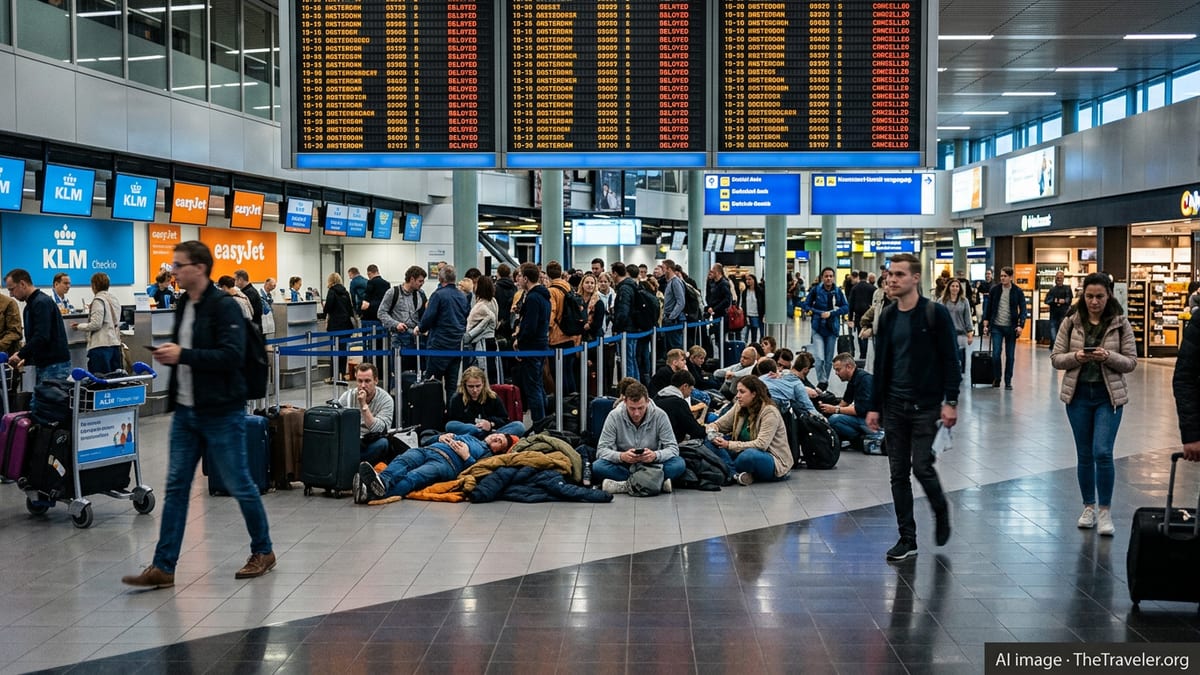
Cluster of cancellations hits Palma de Mallorca services
Operational data and schedule updates indicate that at least six flights linked to Palma de Mallorca have been pulled from airline timetables over the weekend, concentrating disruption on one of Spain’s busiest leisure gateways at the height of the early summer travel rush. The affected services include departures and arrivals involving Swiss, British Airways, easyJet and other European carriers, with ripple effects on connecting traffic across the continent.
Palma de Mallorca is a major hub for holiday traffic between mainland Europe and the Balearic islands, and even a limited number of cancellations can quickly cascade into rebookings, missed connections and extended delays. The latest disruptions follow a period in which airlines have already been trimming schedules and consolidating lightly booked rotations on certain days, particularly outside peak holiday changeover periods.
Reports from flight status trackers show that the cancellations at Palma are not concentrated on a single airline or time of day, but are spread across the weekend timetable. That pattern suggests a mix of factors, ranging from aircraft and crew availability to wider congestion in European airspace and knock-on delays from earlier rotations.
While the number of flights withdrawn is modest compared with the airport’s overall traffic, the impact for individual travellers has been significant. Many of the cancelled services are point-to-point leisure routes with limited alternative same-day options, leaving passengers reliant on longer detours through major hubs or overnight stays before continuing their journeys.
Key European links affected, including Zurich and London Heathrow
The cancellations have hit several high-demand city pairs that feed tourists into the Balearic islands and carry returning travellers home at the end of their stays. According to publicly available schedules and status feeds, services touching Zurich, London Heathrow and Salzburg are among those affected, highlighting how operational strains at a Spanish holiday airport can quickly reverberate across wider European networks.
Connections between Palma de Mallorca and Zurich are particularly important for Swiss travellers, with Swiss and partner airlines typically operating frequent summer services. Disruption on this route can cause broader issues for passengers booked onward from Zurich to long-haul destinations, as missed arrivals into Switzerland reduce the options for same-day rebooking onto intercontinental flights.
London Heathrow, one of Europe’s busiest hubs, has also felt the impact as British Airways adjusts some Palma-linked operations. Heathrow’s tightly managed slot system leaves limited room to add replacement flights at short notice, and any cancellation can force passengers onto later departures or alternative airports in the London area, such as Gatwick or Luton, often on different carriers such as easyJet.
Salzburg and other regional destinations have seen similar knock-on effects, as thinner schedules mean that the loss of even a single weekend rotation can remove the only direct link for that day. For travellers returning home before work or school, the resulting delays can translate into additional accommodation costs and last-minute changes to onward rail or road transport.
Airlines balance operational pressures and passenger expectations
The latest wave of cancellations at Palma de Mallorca comes against a backdrop of continuing operational pressures for European airlines. Industry coverage over recent months has highlighted staff shortages in some markets, tight aircraft availability and congested airspace, particularly during summer weekends, all of which increase the likelihood that minor disruptions will tip into wider timetable changes.
Carriers such as Swiss, British Airways and easyJet have been using a mix of pre-emptive schedule adjustments and on-the-day cancellations to manage these constraints. Pre-emptive cuts allow airlines to notify passengers further in advance and reduce the need for last-minute gate changes, but they also reduce capacity on popular leisure routes and can leave little flexibility when demand spikes.
Publicly available information on flight status shows that cancellations around Palma are occurring alongside delays on other services, suggesting that airlines are prioritising certain core routes while trimming others that may be less time-sensitive or easier to reroute via alternative airports. This strategy can help stabilise overall operations but often leaves holiday travellers bearing the brunt of the disruption.
At the same time, passenger expectations remain high after several summers marked by staffing issues and congestion across Europe. Travellers who booked well in advance for June and July trips are increasingly sensitive to last-minute changes, and consumer advocates note that repeated disruptions can erode confidence in specific airlines and routes, even when the underlying causes are shared across the industry.
Passenger rights and rebooking options under European rules
For travellers caught up in the latest Palma de Mallorca disruptions, compensation and assistance depend heavily on the cause and timing of each cancellation. Under European and United Kingdom consumer regulations, passengers on eligible flights may be entitled to meals, accommodation and, in some circumstances, financial compensation, provided the disruption was within the airline’s control and not due to extraordinary circumstances such as severe weather or air traffic control strikes.
Public guidance from consumer organisations emphasises that passengers should keep boarding passes, booking confirmations and receipts for any additional expenses incurred as a result of cancellations. These documents can be critical when submitting claims to airlines or third-party claim services, especially when delays or cancellations lead to missed onward flights or nonrefundable hotel stays.
In the case of Palma-linked services operated by Swiss, British Airways, easyJet and other European carriers, most routes fall under the scope of these protections because they either depart from or arrive in an EU or UK airport on an airline based in those jurisdictions. Travellers are generally entitled to a choice between a refund for the unused portion of their ticket or re-routing to their final destination at the earliest opportunity, although seat availability and crew limits can restrict same-day alternatives.
Industry analysts note that, while the framework of passenger rights across Europe is well established, the practical experience of claiming support can vary widely between airlines and even between individual cases. Some passengers receive automatic rebookings and meal vouchers, while others report long waits at service desks and limited information about their options when flights are withdrawn at short notice.
More turbulence likely as peak summer season approaches
The disruption centred on Palma de Mallorca this weekend underscores the fragility of Europe’s aviation system as it moves toward the peak summer period, when airport capacity and airline resources are stretched close to their limits. Even relatively small clusters of cancellations can expose underlying pressures that have built up through years of rapid demand recovery and constrained investment in new staff and aircraft.
Travel analysts expect further episodes of localised disruption at Mediterranean holiday hubs in the coming weeks, particularly during busy changeover days when large numbers of travellers depart and arrive within tight time windows. Palma, Ibiza, Malaga and other Spanish airports are seen as especially vulnerable because their traffic profiles are dominated by seasonal leisure routes, which can be more exposed to last-minute schedule changes.
For now, publicly available timetables show that most services to and from Palma de Mallorca, Zurich, London Heathrow, Salzburg and other affected cities continue to operate, even as a small but disruptive minority are cancelled or significantly delayed. However, with airlines still fine-tuning their summer schedules, weekend travellers are being urged by consumer groups and travel advisers to monitor flight status closely, allow extra time for connections and have contingency plans in place.
As the school holidays begin in several European countries and demand for sun destinations accelerates, the experience of passengers stranded or rerouted by this latest wave of cancellations at Palma serves as an early warning. Travellers heading for Spain’s islands and other popular resorts in the weeks ahead may find that flexibility, careful planning and an understanding of their rights prove just as important as a confirmed reservation.