


More news on this day
Overnight cancellations on Pegasus Airlines routes between Türkiye and Russia have disrupted travel flows into Moscow, leaving passengers scrambling for alternatives and refocusing attention on the fragility of air links with the Russian capital.
Get the latest news straight to your inbox!
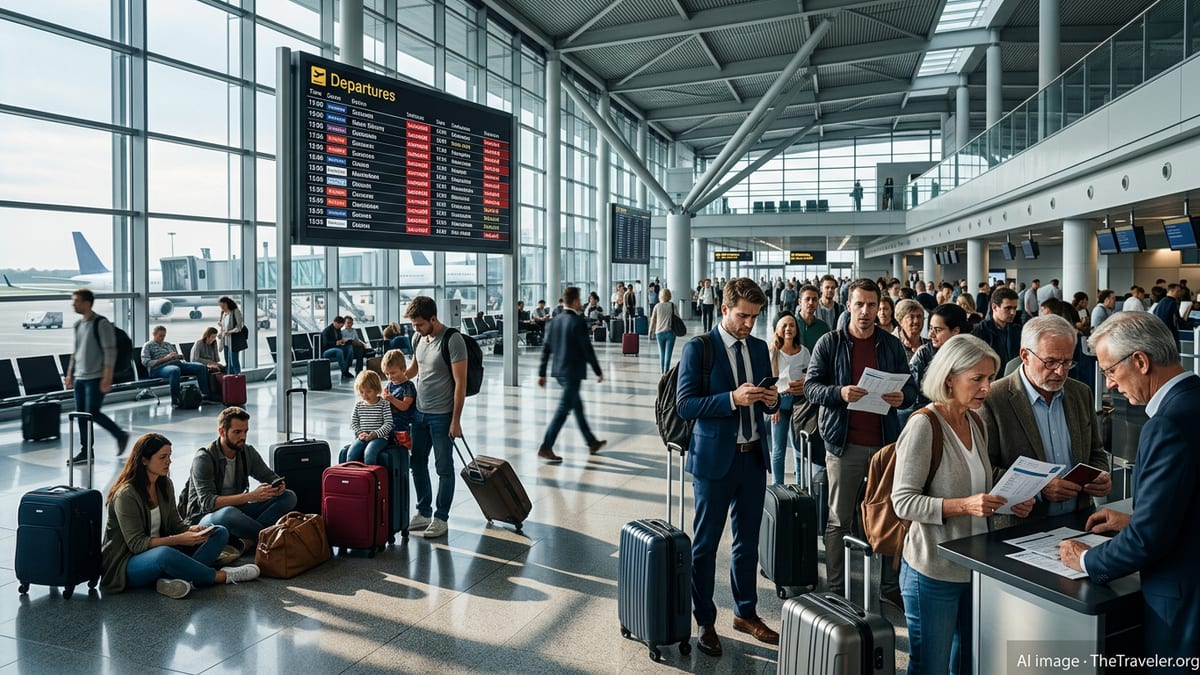
Overnight cancellations hit Russia network
According to publicly available information on Pegasus Airlines’ website, flights to Russia scheduled during the night of 1 to 2 September were cancelled following an internal assessment of the carrier’s daily operations across its network. The airline attributed the disruption to what it described as “technical and operational reasons,” without giving additional detail on the exact nature of the issues.
The cancellations affected services linking Turkish airports with Russia, including routes serving the wider Moscow market. Airport data cited in regional coverage indicate that at least a dozen Pegasus flights to and from Moscow’s Vnukovo Airport were removed from the schedule during the overnight period, with one Antalya to Moscow service diverting to Istanbul’s Sabiha Gökçen Airport instead of continuing to Russia.
Statements published by the airline emphasize that flights from 2 September onward are operating as planned, with schedules on Russia routes broadly restored. Pegasus has also indicated that extra services are being prepared for travelers affected by the overnight cancellations, in an effort to clear backlogs and reposition disrupted passengers.
While the incident was short-lived, it underscores how swiftly operational decisions by a single carrier can translate into wider disruption for one of Moscow’s key international markets.
Security context heightens sensitivity around Moscow flights
The cancellations come against a backdrop of heightened sensitivity over Russian airspace and the security of routes into the Moscow area. Recent regional reporting has highlighted instances in which airlines have diverted or delayed flights amid concerns about airspace safety, particularly following drone activity and periodic restrictions at Moscow airports.
Coverage from regional news outlets notes that a Pegasus service bound for Moscow was diverted to Istanbul, with the change linked to security considerations in Russian airspace. Although Pegasus has publicly framed the broader wave of cancellations as stemming from operational and technical reasons, the disruption coincides with a period in which carriers serving Russia are closely monitoring risk levels and potential airspace constraints.
In earlier episodes over the past two years, large-scale drone incursions and temporary closures of Moscow’s airports prompted both Turkish and Russian airlines to delay or cancel multiple services over short time frames. Those events temporarily stranded thousands of travelers and illustrated how quickly flight plans between Türkiye and Russia can be affected by developments on the ground or in the air.
The latest Pegasus adjustments appear far narrower in scope, but they have renewed attention on how fragile connectivity to Moscow can be, especially for price-sensitive leisure and visiting-friends-and-relatives traffic that relies heavily on low-cost carriers.
Impact on travelers and onward connections
The abrupt nature of the overnight cancellations meant that passengers already en route to airports or in transit through Istanbul and Antalya faced missed connections and unexpected layovers. For many travelers, Pegasus services to Moscow form one leg of a longer itinerary, using Istanbul’s Sabiha Gökçen Airport as a hub for connections from Europe and the Middle East into Russia.
Flight-status tools and airline updates indicate that affected customers are being rebooked onto later departures where seats are available, with additional flights planned on Russia routes to accommodate demand. This approach mirrors Pegasus’ previous responses to localized disruptions such as severe weather or regional airspace restrictions, where the carrier has relied on a mix of rebooking, extra sections, and schedule consolidation to stabilize operations.
Travelers connecting beyond Moscow to secondary Russian cities could face the most significant challenges, as missed arrivals reduce options for same-day onward travel. In practice, disrupted passengers may need to overnight in Türkiye or Moscow, or reroute through alternative hubs operated by other airlines that continue to maintain full schedules into Russia.
Consumer advocates note that, in such situations, passengers are encouraged to monitor online flight-status pages closely and to contact airlines through digital channels when call centers and airport desks become congested during periods of disruption.
Turkish carriers recalibrate but keep Moscow links open
Despite the Pegasus cancellations, publicly available airport and media data indicate that Turkish Airlines and its low-cost subsidiary AJet have largely maintained their Moscow operations, with only a small number of flights removed from the overnight schedule. This pattern suggests a selective recalibration rather than a broad withdrawal of Turkish capacity from the Russian market.
Turkish carriers occupy a pivotal position in Russia’s international connectivity, acting as intermediaries for travelers whose options have narrowed since 2022. Ankara has not joined Western aviation sanctions, and Türkiye’s airlines have continued to link Russian cities with major destinations in Europe, the Middle East, and beyond via their Istanbul hubs.
Historical data show that Pegasus itself has previously paused and later resumed Russian operations in response to changing visa rules, regulatory conditions, and security assessments. The current episode appears aligned with that pattern of tactical adjustments rather than representing a structural exit from Moscow routes.
Industry analysts following the region note that as long as demand from Russian leisure travelers to Türkiye remains strong and airspace corridors remain available, airlines have an incentive to sustain service, even as they periodically recalibrate schedules to reflect operational constraints.
What travelers should watch in the coming days
For now, Pegasus schedules indicate that regular flights between Türkiye and Russia are continuing after the overnight disruption, with extra services promised for those whose journeys were interrupted. However, the situation highlights several practical considerations for travelers heading to or from Moscow on regional carriers.
First, passengers are likely to benefit from closely tracking their flight status in the 24 hours before departure, as airlines retain flexibility to trim or retime services if operational or security conditions change. Second, travelers booking complex itineraries that rely on tight connections through Istanbul or Antalya may wish to allow additional buffer time or consider more conservative scheduling.
The episode is also a reminder that Russia-bound travel remains more exposed to sudden disruption than many other markets, whether due to airspace issues, regulatory developments, or carrier-specific operational decisions. While publicly available information currently points to a resumption of normal Pegasus services, market watchers suggest that conditions on Russia routes can evolve quickly.
For the moment, travel between Türkiye and Moscow continues, but with an added layer of unpredictability that passengers and industry stakeholders will need to factor into their planning.
Pegasus Airlines: Information About Flights to Russia
Pegasus Hava Yolları: Rusya uçuşları hakkında bilgilendirme