


More news on this day
Plans to significantly restrict public access to a well-loved Pembrokeshire beach are being reworked after a wave of public feedback prompted park managers to reconsider how to balance conservation with visitor enjoyment.
Get the latest news straight to your inbox!
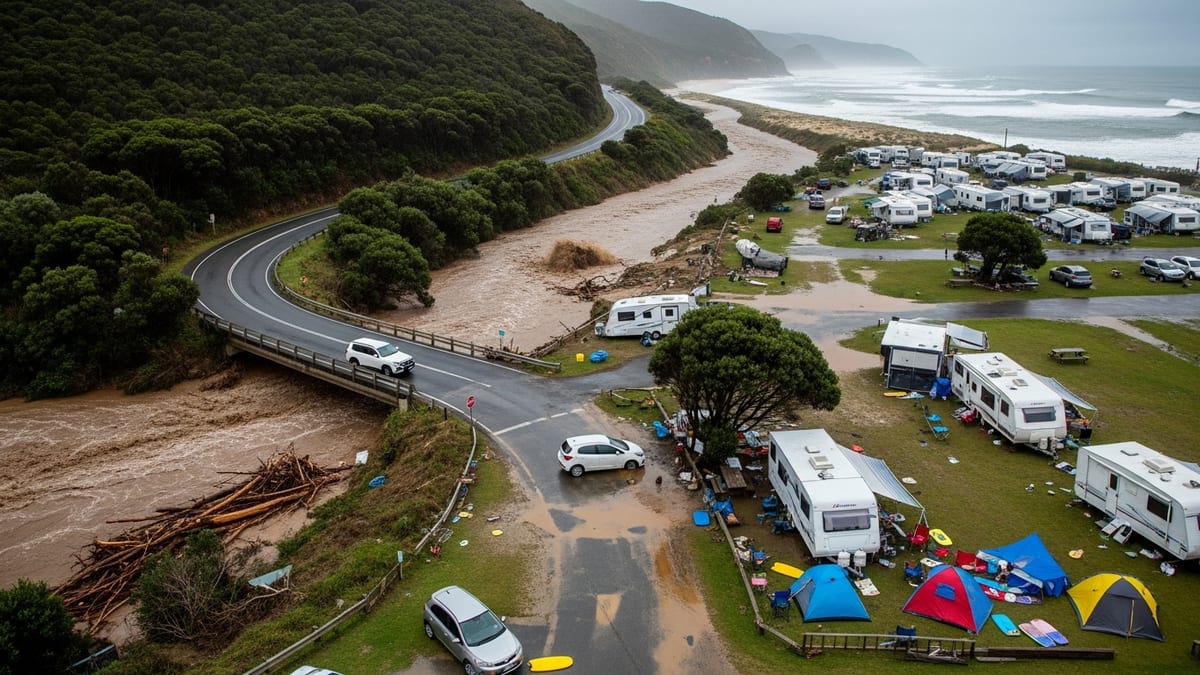
Concerns mount over vehicle and crowd pressures
The original plans focused on tightening access to a popular stretch of the Pembrokeshire coast where rising visitor numbers, vehicle congestion and environmental pressures have become increasingly visible. Publicly available documents from local bodies highlight long-standing concerns around vehicles on beaches, the erosion of fragile dune systems and growing pressure on narrow approach roads during peak holiday periods. Managers argued that reducing general access, particularly by car, would help protect the shoreline and improve safety.
Visitors, however, feared that a broad clampdown would make it harder for families, older people and less mobile beachgoers to enjoy one of the area’s best-known natural attractions. Comments submitted through consultation channels pointed to the importance of easy access for local residents who rely on nearby beaches for everyday recreation, not only for seasonal tourism. Critics of the initial proposals also questioned whether cutting back access would simply redirect traffic and parking problems to nearby coves and villages.
Local tourism interests raised additional alarms about the potential knock-on effects for small hospitality businesses. Reports indicate that accommodation providers, cafes and activity operators were concerned that a perception of a “closed” or heavily restricted beach could discourage day-trippers and short-break visitors who choose Pembrokeshire specifically for its open, easily reached coastline.
These overlapping concerns created a powerful pushback during the consultation phase, prompting park and council officers to revisit how access controls were framed and communicated.
Feedback reshapes access strategy for the shoreline
Following this feedback, the focus of the access strategy has shifted from broadly limiting entry to more targeted measures aimed at vehicle use, physical infrastructure and visitor management. Updated planning and policy papers now emphasise keeping established rights of way and slipway access in place, while refining how cars and other vehicles interact with the beach environment. Publicly available information shows that managers are exploring clearer separation between pedestrian routes and vehicle areas, along with better signposted drop-off and parking zones set back from the most sensitive sections of sand and dunes.
Engagement responses also pushed authorities to consider seasonal and time-based approaches rather than year-round restrictions. This includes options such as limiting vehicle access at the busiest times of day, or during the height of the summer season, while allowing more flexible use at quieter periods. Reports from recent beach management initiatives in Pembrokeshire suggest that staggered, season-sensitive rules can reduce conflict between different users while still giving residents and visitors regular opportunities to reach the shoreline.
There has also been a move to ensure that any changes are grounded in clearer communication. According to recent coverage of beach strategies in the county, poorly understood bylaws and signage have previously led to confusion about where vehicles, dogs or water sports are allowed. The revised plans aim to avoid a repeat of that situation by pairing any physical changes to access with updated information to be displayed at car parks, access paths and online visitor resources.
Importantly for local communities, the current direction of travel appears to accept that closing off access altogether would be disproportionate. Instead, the emphasis is on shaping how people arrive, move and spend time on the beach, with the goal of reducing damage while keeping the coast open.
Balancing conservation duties with visitor expectations
The debate around this Pembrokeshire beach mirrors broader tensions along the Welsh coast, where protected landscapes must accommodate both sensitive habitats and heavy recreational use. Conservation bodies have statutory duties to safeguard wildlife and coastal geomorphology, including dune systems and intertidal zones that can be quickly degraded by repeated vehicle use or unmanaged footfall. At the same time, beaches form a central part of the local economy and identity, supporting tourism jobs and community wellbeing.
Recent strategy papers from local authorities underline this dual responsibility, highlighting the need to maintain safe access for water safety partners and emergency services while looking after the natural environment. Proposals linked to this latest beach plan include improved surfacing of access tracks, clearer demarcation of turning areas and measures to discourage informal parking on sensitive grassland. Such changes are presented as ways to preserve both public access and the ecological integrity of the site.
Visitor expectations are evolving too. Reports on coastal projects in Pembrokeshire indicate a growing interest in more structured facilities: managed car parks, marked walking routes and designated zones for specific activities such as surfing or kayaking. The revised access plans appear to lean into this trend, suggesting that clearer layouts and modest infrastructure improvements can actually enhance the visitor experience while giving managers better tools to control impacts.
Nonetheless, some consultation responses caution that overformalising the beach could erode its wild character, which many people see as central to its appeal. The current reworking of the plans is expected to weigh these competing preferences, aiming for a solution that tidies up problem areas without turning the shore into a heavily engineered resort-style front.
Accessibility and community use now central to revisions
A notable outcome of the consultation has been the stronger emphasis on accessibility and inclusive use. Recent initiatives across Pembrokeshire, such as beach wheelchair schemes and new sloping access paths at nearby resorts, have raised awareness of the barriers that uneven terrain, steep steps and distant car parks can create for some visitors. Feedback on the proposed restrictions repeatedly highlighted the risk that tighter controls, if handled poorly, could disproportionately affect people with limited mobility.
In response, current thinking around the beach plan gives greater prominence to accessible routes from parking areas to the sand, along with the potential for mobility aids where appropriate. Publicly available information on similar projects in the region suggests that relatively modest interventions, such as improved ramp gradients and firmer surfacing, can open up the coastline to a wider range of users without major visual intrusion.
Community use outside the peak tourist season is also being threaded into the revised approach. Residents who rely on the beach for dog walking, sea swimming and informal exercise during quieter months have argued that any new system should distinguish between high-summer pressure and off-season patterns. The latest indications from planning and strategy reports are that long-term residents’ needs will be given more explicit consideration when final decisions on access rules are made.
By treating the beach as a shared community space rather than solely a visitor destination, the updated plans aim to preserve the sense of local ownership that helped to galvanise opposition to the earlier proposals.
Next steps for the reworked beach access plan
The reconsidered approach is now expected to move through a further round of internal review and, potentially, additional public engagement before any final scheme is implemented on the ground. Planning documents relating to coastal management in Pembrokeshire indicate that authorities are likely to phase in changes, starting with clearer signage, monitored parking arrangements and small-scale physical works rather than sweeping, immediate restrictions.
Metrics such as peak-season congestion, reported near misses involving vehicles and pedestrians, and signs of erosion or habitat damage will be used to judge whether the adjusted measures are working. If successful, the rebalanced scheme at this beach could become a template for managing access at other high-profile coastal sites in the county, combining environmental safeguards with a commitment to keeping the seafront open.
For now, publicly available updates suggest that the immediate threat of a broad closure has receded, replaced by a more nuanced conversation about how people experience one of Pembrokeshire’s best-known beaches. The outcome will be closely watched by residents, visitors and coastal managers across Wales as they wrestle with the shared challenge of protecting much-loved shorelines without shutting people out.