


More news on this day
A person was killed in a train collision in Union City this week, prompting significant disruption to rail service through the area and drawing renewed attention to safety conditions along a busy commuter corridor.
Get the latest news straight to your inbox!
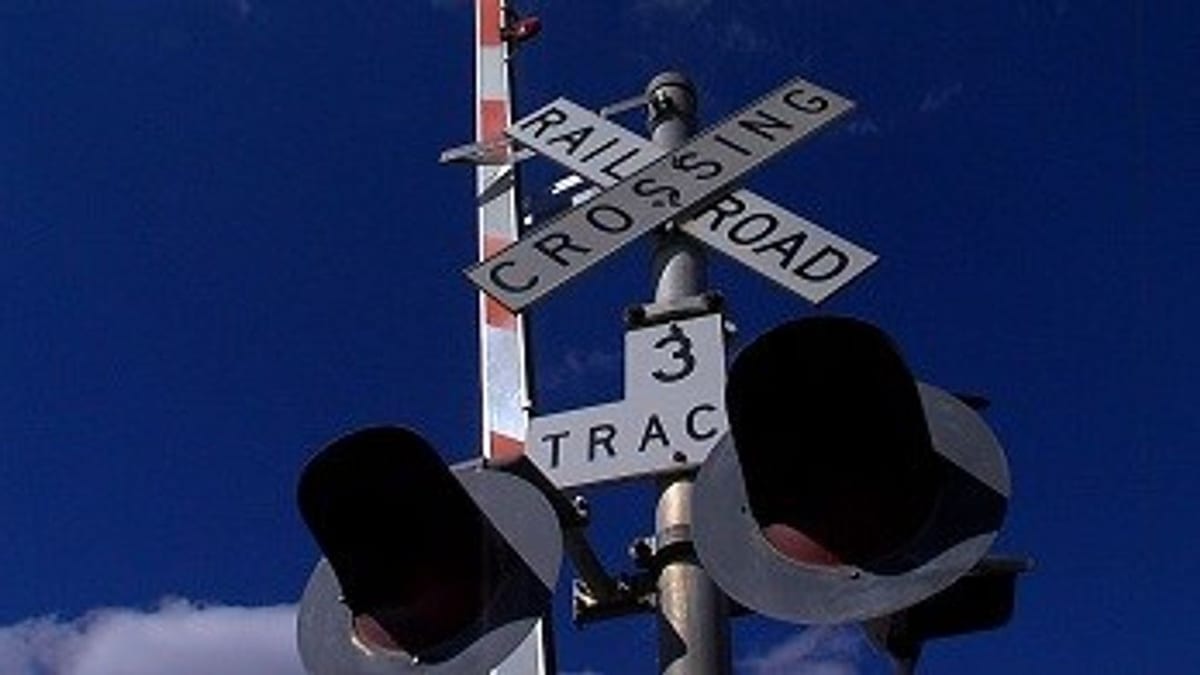
Fatal collision under investigation
Initial reports indicate that the victim was struck by a passing train at a rail crossing in Union City, in an area where passenger and freight traffic run through densely populated neighborhoods. Publicly available information describes the incident as a fatal collision between an individual on or near the tracks and an oncoming train, with the circumstances still being pieced together by investigators.
Emergency crews responded to the scene shortly after the impact was reported. The individual was pronounced dead following the collision. No injuries to train crew or passengers have been publicly reported at this stage, but rail operators carried out standard post-incident checks before service gradually resumed.
According to published coverage, a formal reconstruction of the crash is underway, examining train speed, signal operation, visibility at the crossing, and the movements of the person on or near the tracks before impact. Findings from that work are expected to shape any recommendations or corrective steps for the corridor.
The identity of the person killed has not yet been released in some reports, pending notification of relatives. Where names have been reported, media outlets note that final details remain subject to confirmation as official records are updated.
Rail operations halted and commuters delayed
The collision triggered immediate service suspensions along the affected stretch of track. Trains were held at nearby stations while rail staff and emergency responders accessed the scene, inspected equipment, and ensured the line was safe to reopen.
Travelers encountered delays, cancellations, and last-minute platform changes as rail operators adjusted schedules. Some services were turned back short of Union City, while others were rerouted where alternative tracks were available. For passengers, the disruption added time to commutes and forced many to seek replacement bus services or road transport.
Published service updates show that trains began moving again only after inspectors cleared the line and the train involved in the collision was removed or repositioned. Even after service resumed, residual delays continued as dispatchers worked through a backlog of trains and rebalanced timetables.
For visitors passing through the region, the sudden interruption served as a reminder that rail incidents can impact broader travel plans, from airport connections to long-distance journeys that rely on precise transfers.
Safety concerns at busy crossings
The fatality in Union City has drawn renewed attention to risks at rail crossings where trains intersect with pedestrian paths and local streets. Travel and transport advocates frequently highlight how fast-moving rail traffic, complex road layouts, and everyday distractions can combine to create dangerous situations near the tracks.
Publicly available safety data show that a significant share of serious rail incidents involve people on or near tracks, whether as pedestrians, cyclists, or drivers attempting to cross in front of an approaching train. In many cases, investigators later point to limited sightlines, inadequate barriers, or a misunderstanding of warning signals as contributing factors.
In the Union City case, investigators are expected to analyze whether signage, gates, lighting, or track geometry at the collision site played any role. Depending on the findings, local agencies and rail operators may consider changes such as upgraded warning systems, improved fencing, or reconfigured pedestrian routes to limit direct exposure to the tracks.
Local residents who rely on rail for daily travel are watching closely for any measures that might emerge from the investigation. For many communities situated along busy corridors, each new incident adds urgency to long-discussed safety upgrades that can be costly and slow to deliver.
Impact on travelers and local community
Beyond the immediate disruption to train timetables, the collision has had a visible impact on daily life around the station area. Streets close to the tracks experienced temporary closures, leading to traffic congestion as drivers sought alternate routes around emergency vehicles and rail equipment.
Travelers arriving at Union City in the hours after the collision encountered crowded platforms, extended waits, and incomplete information about revised departure times. Some were advised to allow additional time for journeys or to consider alternate stations and modes of transport until regular patterns stabilized.
For the local community, the fatality is a sobering reminder of the human cost behind short news alerts and timetable changes. Residents interviewed in previous rail-related incidents around similar corridors have often described heightened anxiety when crossing tracks with children or older family members, especially in areas without grade separation.
While Union City remains an important node for regional rail travel, the collision highlights the tension between growing reliance on high-frequency train service and the need to keep people safely separated from active tracks wherever possible.
Calls for stronger prevention measures
According to transportation safety research and prior collision investigations around the country, effective prevention typically relies on multiple layers of protection. These range from physical barriers and grade separations to clearer signage, audible alarms, and public-awareness campaigns that reinforce the risks of walking or driving too close to trains.
In the wake of the Union City collision, commentators and rail users are again emphasizing the importance of not bypassing crossing gates, ignoring warning bells, or attempting to outrun a train. Even at moderate speeds, stopping distances for heavy rail equipment are long, leaving crews with little chance to avoid a person or vehicle that suddenly appears on the tracks.
Urban planning discussions in many rail-served cities now routinely include proposals to reduce at-grade crossings over time, replacing them with bridges, underpasses, or re-routed pathways. While such projects require significant investment, advocates argue that each serious incident underscores the long-term benefits of separating trains from everyday foot and road traffic.
As Union City residents and travelers wait for more definitive findings from the current investigation, the fatality is already shaping conversations about how to make one of the region’s key rail corridors safer for everyone who depends on it.