


More news on this day
A major power cut at Manchester Airport has triggered widespread disruption across two of its three terminals, leaving thousands of passengers stranded amid cancellations, diversions and severe delays to flights and baggage handling.
Get the latest news straight to your inbox!
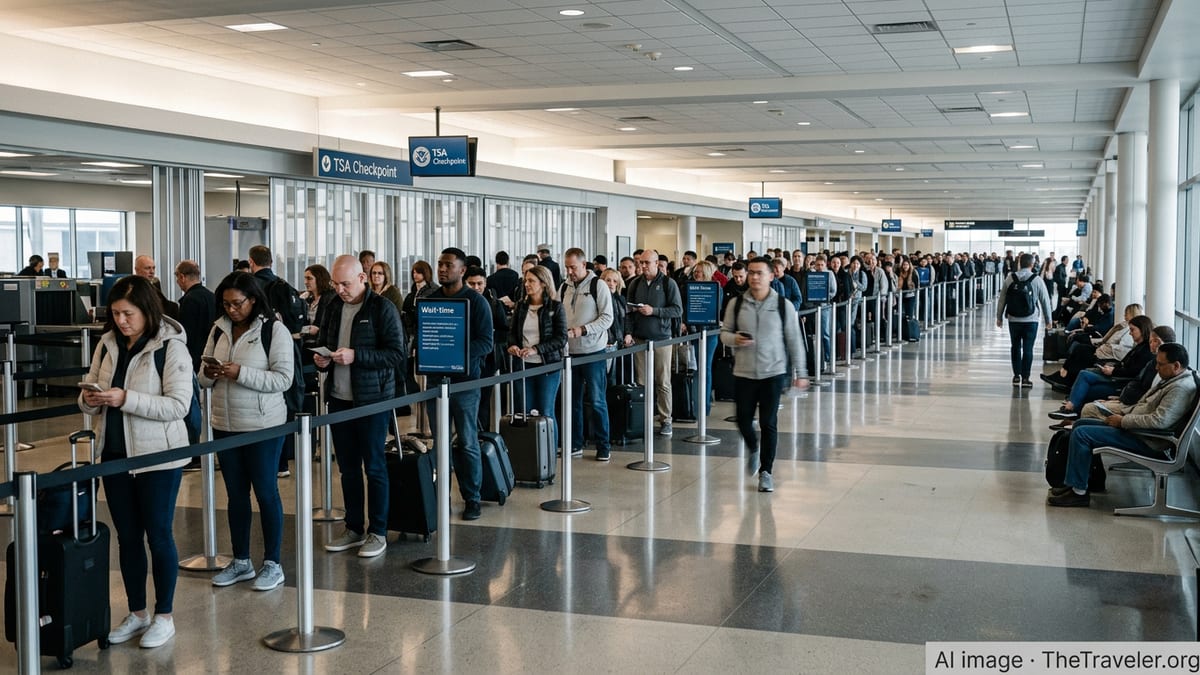
Power Failure Hits Terminals and Halts Operations
Publicly available reports indicate that the outage began in the early hours, affecting the electrical supply to key parts of Manchester Airport’s infrastructure. Terminal 1 and Terminal 2 were reportedly the worst hit, with lighting, check-in systems, security lanes and baggage belts among the areas disrupted. Terminal 3, which is served by a different power feed, was initially able to operate a limited schedule, but its capacity quickly came under strain as airlines attempted to reroute passengers.
Coverage from UK news outlets describes extensive queues forming both inside and outside the terminals as staff tried to manage crowds with reduced systems and limited information screens. With departure boards and some public address systems affected, many travellers relied on handheld announcements and airline apps to track the status of their flights.
According to published coverage, some aircraft already on stand were unable to be turned around in normal timeframes because ground-power units and baggage-handling equipment were not fully available. Inbound flights were left waiting for stands and handling, while some departures were held on the ground or cancelled outright as the disruption deepened.
Airport operators have said in public statements that backup systems restored some power, but not quickly enough to prevent a cascading impact across the morning peak. Once delays and cancellations began to accumulate, the airport’s tightly choreographed schedule became increasingly difficult to recover.
Passengers Stranded as Flights Cancelled and Diverted
As the scale of the outage became clear, airlines began cancelling and diverting flights in large numbers. Reports from travellers and media coverage highlight scenes of holidaymakers sleeping on floors, families queuing for hours at service desks and passengers attempting to rebook at already crowded alternative airports.
Passengers bound for destinations across Europe and beyond faced long waits to discover whether their flights would operate at all. Some travellers were advised that they could be delayed by many hours, while others were told that their journeys would have to be postponed to the following day or later in the week due to limited availability on replacement services.
Inbound flights also experienced significant disruption. Several aircraft were diverted to other UK airports when it became clear that ground handling at Manchester could not be guaranteed. Those diversions created a knock-on effect for crews and aircraft rotations, further complicating efforts to stabilise the operation.
Travel industry analysts note that large hub and regional airports are particularly vulnerable when power-related incidents strike at peak periods. With aircraft, crews and passengers tightly interconnected across multiple waves of departures and arrivals, a shutdown of even a few hours can leave schedules out of position well into the following day.
Baggage Woes Add to the Chaos
Baggage handling quickly emerged as one of the most visible pain points for travellers caught in the outage. Reports from passengers describe luggage sitting on motionless belts for hours, while others landed at their destinations to discover that bags had never left Manchester. In several cases highlighted in media coverage, airlines acknowledged that some flights had departed without all checked baggage on board in order to keep aircraft moving.
Images shared on social platforms and referenced by news outlets showed trolleys and carousels piled high with unclaimed suitcases as ground staff tried to clear backlogs once power was partially restored. With thousands of bags needing to be identified, sorted and forwarded, recovery of the baggage system was always likely to lag behind the restoration of basic flight operations.
Air travel watchdogs and consumer advocates note that power-related disruptions can create particularly complex baggage claims. When luggage is left at the departure airport or misrouted via diversions, it can take days before items are reunited with their owners. In some cases, bags must be transported overland or via separate flights, and passengers are often advised to keep detailed inventories and receipts in case longer-term claims are required.
For Manchester Airport, which has faced previous criticism from passengers over queues and baggage delays, the outage has renewed scrutiny of the resilience of its systems and the contingency planning in place for major infrastructure failures.
Calls for Answers on Resilience and Passenger Care
The incident has prompted questions about how a single power cut was able to cause such a broad operational breakdown across one of the United Kingdom’s busiest airports. Commentators in national and regional media have focused on two key issues: the robustness of the airport’s electrical infrastructure and the consistency of passenger communication and support during the disruption.
Technical specialists quoted in industry analysis note that large airports typically rely on multiple layers of redundancy, including independent power feeds, on-site generators and battery-backed systems for critical safety and navigation infrastructure. While such systems are generally designed to protect flight safety, commercial operations such as check-in, security screening and baggage processing can still be vulnerable if backup capacities are exceeded or if faults cascade across interlinked systems.
Passenger accounts shared with broadcasters and newspapers suggest that information was at times patchy and inconsistent, particularly in the early stages of the outage. Some travellers reported receiving push notifications from airlines before hearing announcements within the terminal, while others said they struggled to find staff who could confirm whether flights would operate.
Consumer-rights organisations have used the incident to remind travellers of their entitlements under UK and European air passenger regulations, including the right to care, refreshments and, in some cases, compensation. However, as legal experts point out, claims relating to power failures may hinge on whether the disruption is considered within the airline’s control or the result of extraordinary circumstances beyond it.
Wider Implications for Summer Travel
The Manchester outage arrives as Europe’s aviation sector prepares for one of its busiest summer seasons since the pandemic. Industry forecasts point to record passenger numbers, while airports across the continent are already grappling with staffing challenges, air-traffic control constraints and potential strike action in several countries.
Travel advisers warn that the incident illustrates how quickly a single failure at a major hub can ripple through wider networks. Missed connections, displaced aircraft and crew shortages can all propagate from an initial technical problem, particularly when airports are running close to capacity.
For passengers planning to travel through Manchester and other large European airports in the coming weeks, practical guidance from travel experts remains focused on preparation and flexibility. Recommendations include allowing extra time for check-in and security, keeping essentials and a change of clothes in hand luggage, and monitoring airline apps and airport channels regularly for operational updates.
While operations at Manchester Airport are expected to stabilise once full power and systems are restored, the episode has underlined the fragility of complex aviation infrastructure during peak periods. For many stranded passengers, the experience will serve as an unwelcome reminder that even a routine early-morning departure can be upended when critical systems go dark.