


More news on this day
Rising jet fuel prices and shifting business strategies are widening a divide in the United States air travel market in 2026, as airlines including United, Southwest and Alaska double down on premium cabins, paid extras and new fare structures that increasingly reward higher-spending travelers while putting pressure on budget-focused flyers.
Get the latest news straight to your inbox!
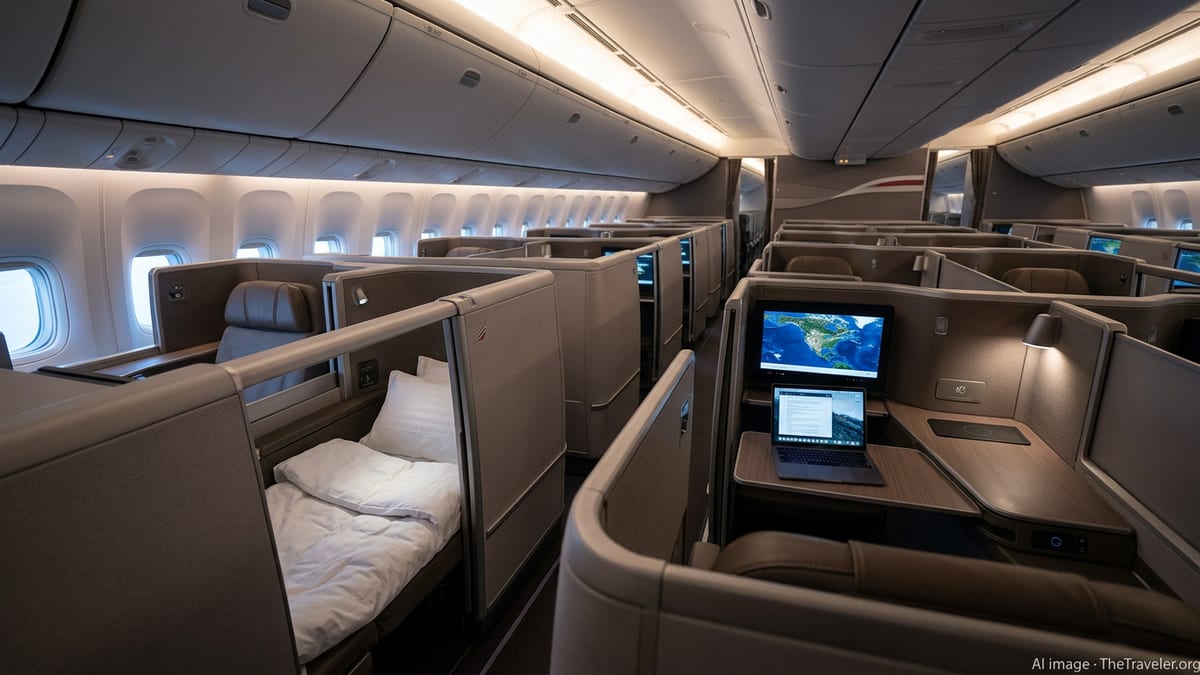
Fuel Costs Push Airlines Toward Higher-Yield Travelers
Jet fuel remains one of the largest cost items for airlines, commonly representing around 20 to 30 percent of operating expenses. Recent volatility tied to geopolitical tensions and energy supply constraints has pushed forecasts for U.S. airline fuel spending sharply higher for 2026, adding billions of dollars to industry-wide costs compared with projections made before the latest run-up in oil prices.
Public data and industry analysis indicate that airlines are responding more quickly than in previous fuel price cycles, adjusting base fares, surcharges and ancillary fees in near real time. That reduces the lag between higher fuel bills and what passengers pay, but it also makes pricing less predictable for consumers trying to lock in affordable tickets months in advance.
Analysts note that full-service carriers and regionals with strong loyalty franchises are generally better positioned to pass on higher fuel costs than ultra-low-cost competitors. The result is an incentive to cultivate higher-yield customers who are willing to pay more for extra space, flexibility and amenities, widening the gap between premium and basic economy experiences in the cabin.
Against this backdrop, United Airlines, Southwest Airlines and Alaska Airlines are all expanding or reshaping premium offerings, signaling that they expect revenue growth in 2026 to come disproportionately from travelers who can and will spend more.
United Deepens Its Bet on Premium Cabins
United has spent several years repositioning itself as a premium-heavy global carrier, anchored by its Polaris business-class product and United Premium Plus on long-haul routes. Publicly available information on the airline’s fleet plan and cabin investments shows that work continuing into and beyond 2026, with upgraded Polaris suites being retrofitted onto widebody aircraft and premium economy made available on more international routes.
On domestic and short-haul flying, United has focused on densifying cabins while protecting or enhancing the revenue potential of extra-legroom and first-class seats. Main cabin fares are often sold alongside upsell offers into Economy Plus or domestic first, and revenue management practices increasingly treat those seats as dynamic inventory that can be priced aggressively during peak periods when demand from business and affluent leisure travelers runs high.
The airline has also been experimenting with new fare types and so-called “base” premium products in selected markets. Travel blogs and frequent flyer communities have documented the rollout of more granular pricing in cabins such as Premium Plus and Polaris, where lower-included fares trade flexibility for a lower entry price. For travelers, that means more choice within premium cabins, but also more complexity when comparing offers, and a growing disparity in comfort between the cheapest and most expensive tickets on the same flight.
In 2026, the practical effect for United customers is a network where the best-value experiences are often found by those who understand how to leverage loyalty status, credit card benefits and targeted upgrade offers, rather than simply selecting the lowest fare displayed.
Southwest Breaks with Its Open-Seating Tradition
Perhaps the most symbolic shift in the U.S. market comes from Southwest, long known for its single-cabin, open-seating model and a simplified fare structure. The airline is in the midst of a multi-stage overhaul that introduces assigned seating, distinct fare bundles and new forms of premium seating, with the changes scheduled to be fully in place for flights operating from late January 2026 onward.
Company materials and independent briefings show that Southwest is moving from its familiar Wanna Get Away, Anytime and Business Select fares to a new tiered lineup built around Basic and several “Choice” bundles. These bundles differ in flexibility, seat selection rights, boarding priority and rewards accrual, effectively segmenting customers by willingness to pay for comfort and convenience instead of treating the cabin as a largely uniform product.
A central element of the redesign is the arrival of assigned and premium seating. Travelers on higher-priced bundles will be able to select standard seats at booking and, in some cases, secure new extra-legroom positions toward the front of the aircraft. Credit card holders and elite flyers will receive additional access to these better seats closer to departure, further reinforcing a hierarchy driven by spending and loyalty.
For Southwest customers who valued the previous “everyone gets the same seat” ethos, the 2026 system represents a notable cultural change. Budget travelers are likely to face more trade-offs, accepting a Basic fare with limited flexibility and back-of-cabin seating, or paying significantly more to preserve some of the convenience that once came standard.
Alaska Expands First and Premium Class Seating
Alaska Airlines has been quietly but steadily expanding its mix of First Class and Premium Class seating, using cabin reconfigurations to tap demand from travelers willing to pay for extra space and amenities. Corporate announcements outline a multi-year program to increase the number of premium seats on Boeing 737 aircraft, with conversions that began in 2025 and are expected to be completed by summer 2026.
The changes typically add several First Class seats and expand rows designated as Premium Class, which offer extra legroom, priority boarding and complimentary drinks on many routes. Alaska has also highlighted inflight connectivity and entertainment upgrades, supported by satellite partnerships on larger jets, as part of the value proposition for premium customers.
Recent financial disclosures from the carrier’s parent group emphasize premium revenue as a key growth driver, with year-over-year increases in income from First and Premium Class cabins even in a choppy demand environment. The airline has indicated that premium seating will occupy a larger share of its total capacity as more aircraft are refitted, underscoring a strategic tilt toward higher-yield segments.
For travelers across Alaska’s West Coast and transcontinental network, the upshot is a greater likelihood of finding multiple paid tiers of comfort on the same route, but fewer opportunities to secure extra space without an additional charge or elite status.
What the Premium Shift Means for Travelers in 2026
For U.S. travelers planning trips in 2026, the combined impact of rising fuel costs and airlines’ premium-focused investments is a market that feels increasingly stratified. The lowest advertised fares may remain relatively competitive, but they often carry stricter rules, reduced flexibility and less comfortable seating, particularly on busy routes where carriers know that at least some passengers will pay to move up.
Passengers who prioritize comfort but are sensitive to price will need to watch fare structures more carefully. On United, that may mean comparing bundled options that include seat selection or a shot at complimentary upgrades. On Southwest, it will require understanding how Basic and the new Choice bundles differ in both seating and change policies. On Alaska, it could involve weighing the cost of Premium Class against the prospect of a more crowded standard main cabin as premium rows expand.
At the same time, loyalty programs and co-branded credit cards are becoming more tightly woven into the premium ecosystem. Many of the most desirable perks in 2026, from early boarding and extra-legroom seat access to fee waivers, are being steered toward customers who concentrate their spending with a single airline or card partner, reinforcing the divide between occasional and frequent flyers.
Industry observers suggest that this year’s shifts are part of a longer-term realignment rather than a temporary response to fuel prices. As carriers such as United, Southwest and Alaska embed premium products more deeply into their fleets and fare systems, the U.S. air travel market in 2026 is likely to be remembered as a turning point when flying in the same cabin no longer meant sharing the same experience.