


More news on this day
Hundreds of passengers on a residential “endless” world cruise have been left stranded in the Cambodian port city of Sihanoukville after the MV Odyssey’s operator halted its three-year voyage, citing a steep jump in fuel costs linked to the war in Iran.
Get the latest news straight to your inbox!
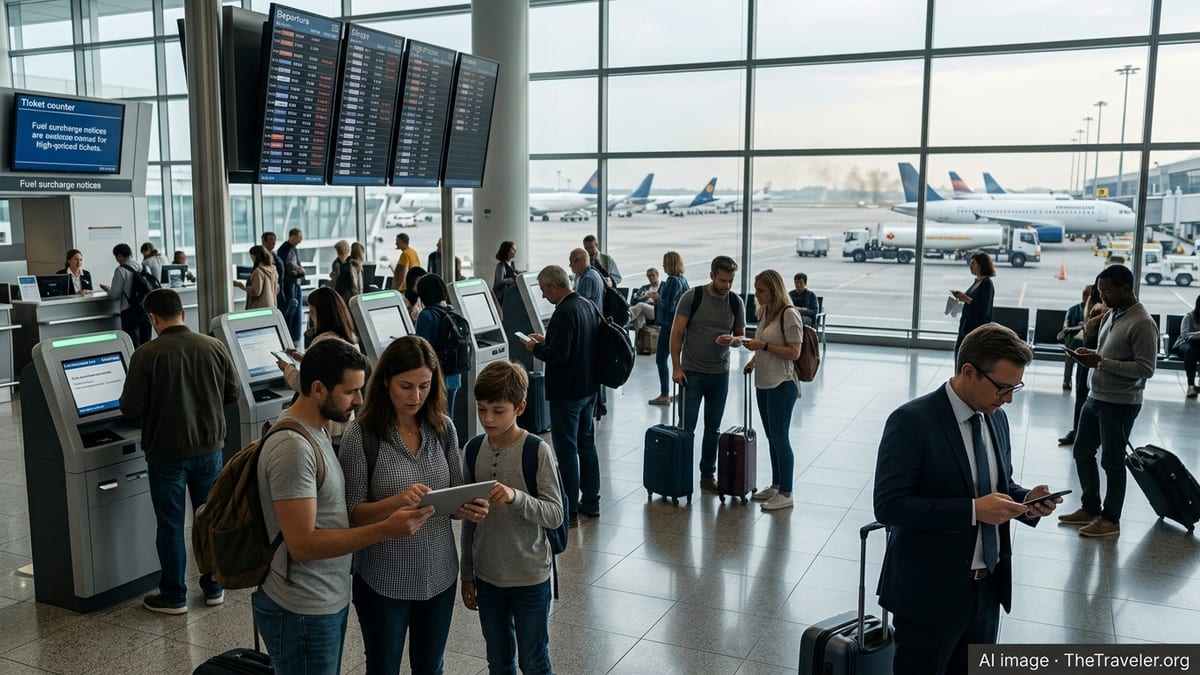
A three-year world voyage cut short in Sihanoukville
The MV Odyssey, operated by Florida-based Villa Vie Residences, had been marketed as a three-and-a-half-year continuous world cruise where passengers purchased long-term leases to live at sea. Publicly available information shows the ship departed Belfast in October 2024 after a refit and had been sailing almost continuously since then through Europe, the Americas and Asia.
Reports indicate that the voyage came to an abrupt halt in late October 2026 when the vessel docked in Sihanoukville on Cambodia’s southern coast. Passengers were informed that the company could no longer secure or afford fuel, and that the ship would suspend operations and enter what maritime reports describe as lay-up.
News coverage from outlets including Reuters, the Associated Press and The Guardian describes more than 200 passengers, many of them retirees or remote workers from the United States and Europe, being instructed to disembark with their belongings and vacate their cabins, effectively losing homes they had expected to occupy for years.
The Odyssey has a capacity of around 650 passengers, according to technical details cited in multiple reports, but recent coverage suggests the resident count on this leg of the voyage was significantly lower than full capacity when operations ceased.
Soaring fuel costs and a fragile cruise business model
Villa Vie Residences has stated in public materials and interviews cited by media that fuel economics were central to the decision to stop in Cambodia. Company figures reported by several outlets indicate that monthly fuel expenses, previously averaging about 1,800 US dollars per cabin, had risen to an estimated 6,000 to 8,000 dollars per cabin on recent Asian segments of the itinerary.
The surge is being linked by analysts and local economic reports to the conflict involving Iran and disruptions around the Strait of Hormuz, which have contributed to higher global oil and marine diesel prices, particularly in Asia. A World Bank update on Cambodia earlier this year highlighted the impact of a regional fuel shock on local pump prices, and cruise industry financial filings in recent years have repeatedly flagged fuel volatility as a key operational risk.
Unlike conventional cruises that operate on fixed itineraries and can be cancelled or shortened season by season, residential ships such as the Odyssey commit to multi-year operations with residents paying upfront or on long-term contracts. Travel industry coverage suggests that this model leaves operators more exposed when fuel prices spike or when financing becomes strained, because there are fewer opportunities to quickly reprice short-term sailings.
Statements from the company reported in the press point to restructuring and a possible bankruptcy filing, with the operator indicating that it can no longer sustain the costs of running a globe-circling ship at current fuel levels. Observers note that the situation illustrates how sharply rising energy prices can tip marginal cruise operations into crisis, particularly in regions where marine fuel is currently most expensive.
Stranded in Cambodia: housing, visas and onward travel
For passengers, the sudden end of the voyage has rapidly turned into a logistical and financial challenge on shore. Media reports and social media posts from residents describe hastily arranged stays at hotels in Sihanoukville, including mid-range beach properties that still have space during the current shoulder season.
Cambodia’s visa rules add another layer of complexity. Publicly available consular guidance shows that many nationalities can obtain a visa on arrival or an electronic visa valid for an initial 30-day stay, with the option in some cases to extend. However, passengers arriving directly from the ship are having to navigate entry formalities, possible extensions and the need to show onward travel plans on short notice.
Travel coverage indicates that the operator has arranged limited financial assistance and coordination for immediate disembarkation and temporary accommodation, but many passengers are reportedly relying on personal funds to cover hotel bills and rebook flights. With aviation fuel prices also elevated across much of Asia, published fares from Phnom Penh and nearby hubs such as Bangkok and Ho Chi Minh City have risen in recent months, making last-minute long-haul tickets more expensive than travelers on the cruise had anticipated.
Sihanoukville’s infrastructure, developed rapidly over the past decade to serve mass-market tourism and regional trade, is offering some support in the form of available rooms and transport links. Even so, the abrupt arrival of hundreds of additional visitors seeking extended stays has placed pressure on mid- and higher-end accommodation and local travel agencies helping to arrange complex itineraries back to Europe and North America.
Implications for residential cruising and global travelers
The Odyssey’s grounding in Cambodia is being watched closely by the broader cruise and travel industries, which have experimented in recent years with long-duration and residential at-sea products. The concept, which offers buyers an apartment-style cabin and a continuously changing view of the world, relies on the assumption that ships can operate predictably for years at relatively stable fuel prices.
Corporate disclosures from major cruise operators already warn that fuel costs are among the most volatile elements of their budgets, and some mainstream lines have reinstated fuel surcharges or trimmed itineraries on specific routes. The Odyssey case, travel analysts note, highlights the particular vulnerability of smaller, lightly capitalized companies attempting to operate complex, multi-year voyages without the financial buffers of the largest brands.
For individual travelers, the events in Sihanoukville are a reminder of the potential risks involved in committing to extended or unconventional cruise products. Public commentary from travel advisors in the wake of the shutdown has emphasized the importance of examining refund policies, financial protections and contingency plans when considering multi-year or residential voyages, especially at a time of heightened geopolitical tensions that can affect fuel supply.
At the same time, the episode is resonating more broadly across Southeast Asia’s travel sector, where higher fuel prices have already been linked to increased airfares, surcharges on expedition cruises and, in some cases, reduced frequencies on regional routes. Travelers planning complex trips in the region are being encouraged by industry observers to monitor itinerary changes closely and to build additional flexibility into their plans.
Cambodia’s role and what happens next
Cambodia’s recent experience during the regional fuel shock, documented in economic assessments and local media, has underscored its dependence on imported fuel and the sensitivity of domestic prices to swings in global markets. Sihanoukville, a key deep-water port for the country, has therefore become an unexpected focal point in a story that stretches from Middle East shipping lanes to specialist cruise operators based in the United States.
For now, publicly available information indicates that the MV Odyssey will remain in Sihanoukville while Villa Vie Residences explores options such as restructuring or a potential sale of the vessel. The ship is reported to be in lay-up status, with a reduced crew staying on board to maintain essential systems while passenger areas sit empty.
Passengers face a more immediate timeline. Hotel bookings, visa clocks and personal finances mean that many are already dispersing from Cambodia to other destinations, while some are choosing to remain in the region for a time in the hope of clearer information about any future compensation or travel arrangements.
The sight of a residential cruise ship idled at the edge of the Gulf of Thailand has quickly become one of the most visible symbols of how a distant fuel crisis can ripple across borders, transforming a promised never-ending voyage into an unscheduled stay in an unfamiliar port city.