


More news on this day
Hundreds of passengers who bought six-figure cabins on a three-year “live aboard” world cruise have been ordered off their ship in Cambodia after the operator suspended the voyage, blaming a steep jump in fuel costs linked to the conflict involving Iran.
Get the latest news straight to your inbox!
A Three-Year Dream That Lasted Just Two
The Villa Vie Odyssey, a 196-meter residential cruise ship marketed as a floating condominium, has come to an unscheduled halt in the Cambodian port city of Sihanoukville after more than two years at sea. The vessel departed Belfast in October 2024 on what was promoted as a three-and-a-half-year continuous global voyage, with the option for guests to buy or lease cabins and treat the ship as a permanent home.
Cabins on board were marketed in tiers, from smaller studios to “villa suites” priced up to about 440,000 dollars, according to published coverage. Other reports indicate some buyers initially paid well above 200,000 dollars for multi-year or life-of-ship residency contracts, often in addition to ongoing monthly fees for services and maintenance. For many, the decision involved selling property or drawing heavily on retirement savings to finance a long-term life at sea.
Instead of circumnavigating the globe repeatedly, the Odyssey’s journey has ended at Sihanoukville Autonomous Port. Passengers were informed that operations were being suspended and that they would have to disembark with their belongings while the company, Florida-based Villa Vie Residences, reviews its finances and options for the ship.
Reports from multiple outlets describe residents being given only hours of formal notice that the cruise would not continue and that they should prepare to leave the vessel in Cambodia, far from many travelers’ home countries or planned onward connections.
Soaring Fuel Costs Upend the Business Model
Publicly available statements from Villa Vie Residences and media coverage indicate that the operator attributes the abrupt suspension to what it calls extraordinary increases in marine fuel prices in Asia. The company has said that monthly fuel expenses per cabin historically averaged around 1,800 dollars but had risen to an estimated 6,000 to 8,000 dollars in some parts of the region.
That surge coincides with a broader rise in energy prices since the outbreak of conflict involving Iran earlier in 2026, which has affected key shipping lanes and global oil markets. Coverage of the case links the ship’s difficulties directly to those higher diesel costs, which are a major component of operating expenses on long-distance cruises.
The Odyssey’s residential model relied on relatively predictable fuel costs spread across a stable base of long-term residents who paid purchase prices plus monthly fees. Once fuel bills reportedly more than tripled, the operator’s finances appear to have come under acute strain. Passengers have reported being asked for additional fuel surcharges and extra contributions in recent months, suggesting the company was struggling to absorb the higher costs even before deciding to suspend the voyage.
Industry analysts quoted in news reports note that residential ships, unlike traditional cruise lines that can adjust itineraries and pricing on shorter booking cycles, may be more exposed when fuel prices spike quickly and stay elevated, particularly if capital reserves or financing arrangements are limited.
Stranded in Sihanoukville With Unanswered Questions
The decision to end the voyage in Sihanoukville has left more than 200 passengers, by most estimates, suddenly needing to arrange flights and accommodation from a secondary coastal city that is not a major global aviation hub. While Cambodia attracts a significant number of tourists, most international travelers to the country transit through Phnom Penh or Siem Reap rather than Sihanoukville.
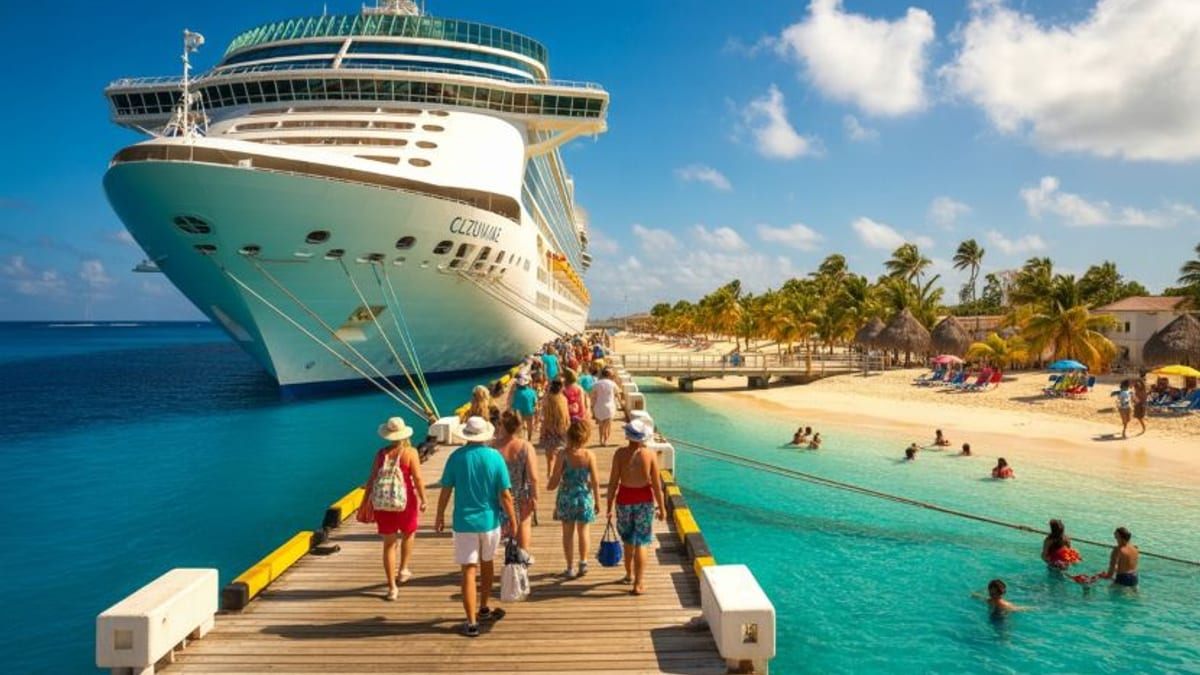
Coverage from international and regional outlets shows images of the Odyssey moored at Sihanoukville’s port, with passengers disembarking and luggage stacked on the pier. Some residents had reportedly been aboard for more than a year, treating the ship as their primary home. Many are older travelers who now face the challenge of finding immediate housing and transport while also seeking clarity on their financial exposure.
Reports indicate that Villa Vie Residences has said it is exploring restructuring options, and some coverage notes that company representatives have raised the possibility of bankruptcy protection. For passengers, key questions include whether purchase prices and prepaid fees can be recovered and what status, if any, their cabin ownership claims now hold while the ship is laid up in Cambodia.
Because the company is based in the United States, the vessel is flagged in the Bahamas, and the ship is currently in Cambodian waters, any future legal proceedings could involve several jurisdictions. Consumer advocates following the case say that the cross-border nature of the business, combined with the novelty of long-term residential cruise contracts, may complicate efforts to obtain refunds or compensation.
From Pandemic-Era Hopes to Reputational Fallout
The ship now known as Villa Vie Odyssey was built in 1993 and has sailed under a series of names and operators over three decades. It was sidelined during the COVID-19 pandemic before being purchased and refitted by Villa Vie Residences in 2023 as the centerpiece of its long-term residential cruising concept.
The project emerged in the wake of another ambitious plan for a three-year “Life at Sea” world cruise, which was promoted under a different brand and then cancelled shortly before its planned 2023 departure from Istanbul. That earlier cancellation, widely covered at the time, left many would-be passengers seeking refunds and generated scrutiny of large-scale, pre-sold world cruise concepts that require substantial up-front payments.
Villa Vie’s own voyage faced delays before it finally left Belfast in late 2024, according to previous reports that described passengers waiting in Northern Ireland for months while the ship underwent work at a local shipyard. Those early setbacks are now being seen in hindsight as warning signs about the viability of such an ambitious residential cruising model.
The abrupt stop in Cambodia risks further eroding confidence in multi-year cruise projects marketed as floating communities. Travel industry commentators note that while traditional world cruises continue to sell strongly, the residential niche, which often involves life savings and long-term commitments, may face more skepticism from both travelers and regulators after this episode.
What Comes Next for Passengers and the Ship
As of late October 2026, publicly available information suggests that the Odyssey is effectively in lay-up at Sihanoukville while its operator considers restructuring options. Marine traffic data and shipping-focused commentary indicate the vessel’s time at sea had already declined in recent months, with slower average speeds that may have reflected efforts to conserve fuel.
For the passengers, immediate priorities include securing transport home or to alternative destinations, arranging storage or shipment of belongings, and evaluating insurance coverage. Published reports do not yet indicate a comprehensive assistance package from the operator, although some accounts mention limited support with local logistics during disembarkation.
Travel law specialists quoted in media coverage say affected residents will likely need to review their contracts carefully to understand what protections, if any, were offered in the event of suspension due to operational costs rather than mechanical failure or safety concerns. The outcome could set important precedents for how long-duration cruise and residency-at-sea products allocate financial risk between companies and customers.
In the broader cruise and travel sector, the collapse of a highly publicized “endless” voyage is being watched closely as a test of how vulnerable complex, fuel-intensive travel concepts are in an era of volatile energy prices and geopolitical shocks. For those now stranded in Cambodia after investing more than 200,000 dollars in a promised roaming home at sea, the financial and emotional costs are likely to resonate long after the Odyssey’s engines fell silent.