


More news on this day
Memorial Day week travel on Cape Cod was thrown into disarray after a run of Provincetown flight cancellations and delays involving Cape Air and JetBlue left passengers scrambling for alternative routes between the outer Cape and Boston.
Get the latest news straight to your inbox!
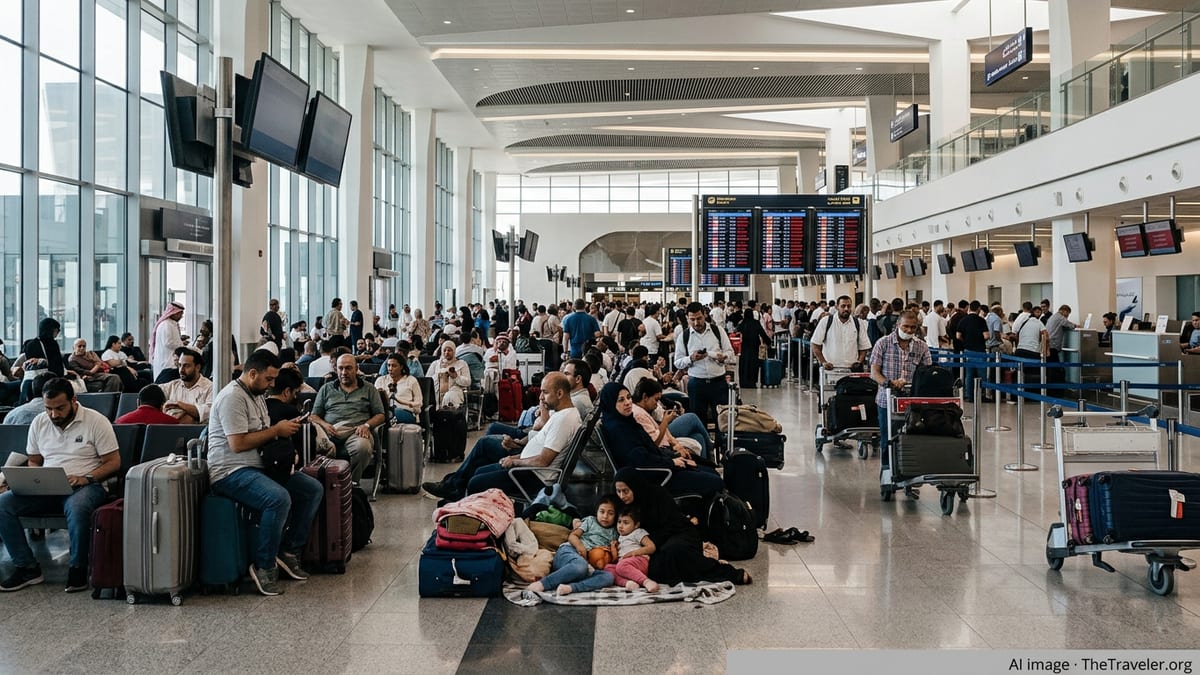
String of Provincetown Cancellations Hits Holiday Week
Flight status trackers and airline data for May 25 indicate at least one Provincetown to Boston service on Cape Air, flight 9K2002, was cancelled on Monday, with additional rotations marked delayed or disrupted around the same period. The cancellations affected connections to Boston Logan International Airport, the primary hub for travelers heading to and from Provincetown Municipal Airport at the outer tip of Cape Cod.
Several other Cape Air departures and arrivals on the Provincetown to Boston corridor over the long weekend showed schedule changes or late operations, adding uncertainty for travelers relying on tight connections at Logan. While JetBlue does not operate its own aircraft into Provincetown, published schedules show that Provincetown service is marketed in partnership with Cape Air, meaning disruptions on Cape Air legs can cascade into missed JetBlue flights further along a journey.
Publicly available information from the Town of Provincetown directs passengers to check Cape Air and JetBlue channels or the regional aviation authority for the latest status, underscoring that real time data is essential when flying in and out of the small coastal airport. As holiday traffic built across New England, the localized cancellations and delays around Provincetown quickly magnified into wider travel headaches on the Cape.
The timing of the disruptions, coming just as summer frequencies and seasonal shuttles ramp up, heightened their impact. For many visitors and residents, these flights are not simply a convenience but a key link to medical appointments, business commitments, and long-planned vacations built around limited lodging availability on the outer Cape.
Cape Air’s Pivotal Role at Provincetown Municipal Airport
Provincetown Municipal Airport is operated by the town and functions primarily as a gateway for general aviation and a small number of commercial services. Published airport information identifies Cape Air as the sole scheduled carrier, running short hops of about 25 minutes to Boston Logan that serve as a lifeline for communities at the far end of Cape Cod.
In recent years, documents and meeting records from local authorities have highlighted the importance of maintaining reliable air links while also noting the economic challenges of year round flying on niche routes. Community discussions and online commentary have pointed to a reduction in off season service and tighter schedules, factors that can make any cluster of cancellations more disruptive when they occur during high demand periods like Memorial Day week.
Because Cape Air operates small aircraft with limited seat capacity, a single cancelled departure can displace a relatively high share of that day’s available inventory between Provincetown and Boston. Rebooking options are constrained by short booking horizons and aircraft utilization, and a surge of travelers at the start of summer leaves fewer empty seats on subsequent flights to absorb stranded passengers.
Logan’s role as a major US hub also shapes the stakes. Many Provincetown passengers are not ending their journeys in Boston; they are continuing on JetBlue and other carriers to destinations across the country and overseas. When the first short leg fails to operate or runs significantly late, travelers can face missed connections and rebooked itineraries that stretch what should be a 20 minute hop into a day long odyssey.
Ground Transport and Ferry Options Strained
When Provincetown flights are cancelled, travelers typically fall back on a patchwork of ground transport and seasonal ferry alternatives. The town’s passenger information pages encourage travelers to verify flight status before leaving home, in part because the substitutes can be time consuming and, during peak periods, heavily booked.
Regional buses, car rentals, and private shuttles connect the outer Cape to Boston and other points in New England, but journey times by road can easily extend to four or five hours in heavy traffic. Memorial Day week often marks the first major influx of summer visitors, with congestion on Route 6 and bottlenecks near the canal bridges, making same day ground substitutions a stressful prospect for those trying to save onward connections.
Local ground transport planning for the 2026 season includes a shuttle stop at Provincetown Airport, scheduled to operate on a limited days and hours pattern beginning in late May. That service is intended to move arriving Cape Air and JetBlue-connected passengers between the terminal and town lodging areas. When flights are cancelled or significantly delayed, however, the shuttle timetable offers little benefit, and stranded travelers often compete for a small pool of taxis and rides at the terminal.
For some passengers, high speed ferries between Boston and Provincetown provide another backup. Yet those services run on fixed timetables and are sensitive to sea conditions, and they may be fully booked during holiday periods. A traveler whose mid morning flight from Provincetown is abruptly cancelled can discover that the remaining ferries are either sold out or arrive in Boston too late to protect an evening transcontinental or international connection.
Holiday Disruptions Highlight Structural Vulnerabilities
The latest Provincetown cancellations and delays shine a spotlight on the fragility of air access for remote coastal communities that rely on a single small airport and a single scheduled carrier. Aviation data and local planning documents show how small variations in aircraft availability, crew scheduling, or weather can ripple through such a concentrated network, with limited redundancy to absorb shocks.
The timing near the start of the busy summer season also underscores the tension between demand surges and constrained capacity. Once Cape Cod lodging fills and vacation plans are locked in, even a handful of disrupted flights can set off a chain of missed hotel nights, forfeited prepayments, and lost time off work. The net effect is that small aircraft cancellations can have economic consequences well beyond their seat count.
For Cape Air, JetBlue partners, and regional authorities, these incidents may add momentum to ongoing discussions about schedule resilience, communication practices, and contingency planning at Provincetown Municipal Airport. Recent documentation of tarmac delay contingency plans points to a growing focus on passenger welfare during irregular operations, but the events of Memorial Day week suggest that preventing cancellations and long delays in the first place remains the higher priority for many travelers.
As the peak summer travel season approaches, passengers heading to or from Provincetown are likely to watch flight status feeds even more closely, weighing the convenience of the quick hop to Boston against the risk of disruptions that can rapidly turn Cape Cod getaways into complicated rerouting exercises.