


More news on this day
Thai Airways is scrambling to restore normal operations at Bangkok’s Suvarnabhumi Airport after days of flooding and ground handling disruption triggered a baggage pileup, flight cancellations and mounting frustration among stranded passengers.
Get the latest news straight to your inbox!
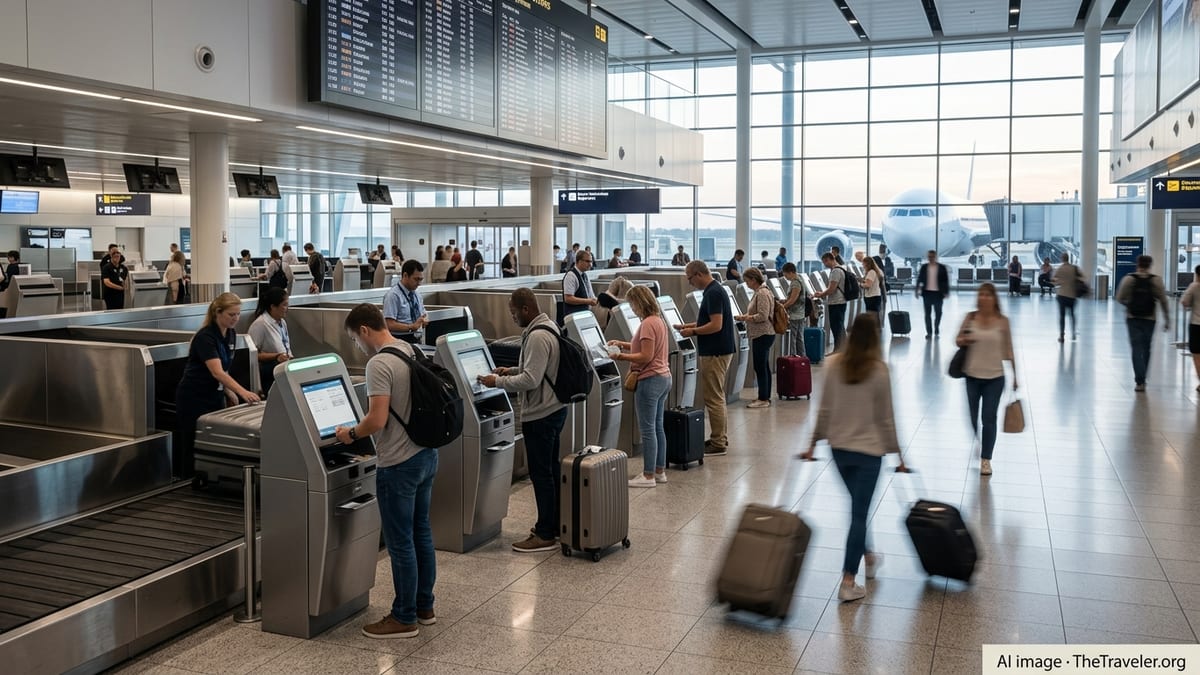
Flooding, staff shortages and a mounting baggage backlog
The disruption began taking shape on 26 September 2026, when heavy rain and flooding in parts of Bangkok hindered access to Suvarnabhumi Airport and disrupted ground operations. Publicly available information from airport authorities and local media indicates that baggage handling for Thai Airways flights was hit hardest, with shortages of ground staff and problems with baggage carts slowing the movement of luggage on both arrivals and departures.
Reports from Thai news outlets describe luggage from multiple Thai Airways flights accumulating in the baggage hall as new flights continued to arrive. While aircraft were largely able to operate, the flow of bags from aircraft holds to carousels and onward delivery slowed significantly, creating a backlog that rippled through the schedule and pushed some departures behind time.
By 27 September, the situation had evolved into a full baggage crisis for the flag carrier. Coverage from national newspapers and aviation-focused platforms pointed to continued delays, with some arriving passengers reportedly waiting several hours to see their bags and others leaving the airport without luggage after filing delayed baggage reports. The backlog persisted into 28 September, even as weather conditions in parts of the capital improved.
Airport operators have sought to reassure travelers that terminal operations remain open and that efforts are under way to clear stacked luggage. Information displays and repeated public announcements have been used to update passengers on baggage status and collection points, while additional staff have been deployed in claim areas to direct crowds and assist with reporting missing bags.
Thai Airways cancels flights as it retools schedules
As pressure mounted on the ground system, Thai Airways adjusted its flight program in an effort to stabilize operations. International and domestic travelers reported cancellations and last minute schedule changes for services into and out of Bangkok, particularly at peak times when the strain on baggage facilities was most acute.
Accounts shared on social platforms from 28 and 29 September describe passengers who arrived at Suvarnabhumi to find their Thai Airways flights canceled with limited advance notice, while surrounding check in counters were crowded with travelers seeking rebooking or information. Other airlines serving Bangkok have reported some delays and disruptions linked to the same weather system, but publicly available reports consistently identify Thai Airways as the most heavily affected by baggage-related issues.
According to airline notifications and travel industry summaries, Thai Airways has been offering rebooking options for ticket holders whose flights were canceled or heavily disrupted by the baggage crisis and flooding. Some advisories indicate that passengers with tickets issued by 26 September and traveling on affected dates around Bangkok are being allowed at least one free date change, subject to seat availability, although precise conditions vary by route and fare type.
The combination of partial schedule cuts, rolling delays and a congested terminal environment has left some passengers stranded in Bangkok or at their point of origin, uncertain when both flights and baggage handling will return to a predictable pattern. For travelers connecting to long haul services, that uncertainty has made it harder to judge whether to proceed with trips or seek alternative routings on other carriers.
Stranded passengers face long waits and limited information
For passengers already in transit, the most visible impact of the crisis has been the extraordinary waiting times at baggage claim. Social media posts and local coverage describe travelers waiting three to six hours for checked luggage, while others were asked to leave the airport without their bags after filing reports and providing delivery addresses.
Some travelers recount being rebooked on other airlines only to discover that their original luggage remained in Bangkok or at an intermediate point in the network. Others arriving into Suvarnabhumi during the height of the disruption found long queues around Thai Airways service desks and baggage counters, with staff trying to manage both flight changes and missing baggage claims at the same time.
Publicly available information shows that Thai Airways has advised passengers whose bags did not arrive to submit delayed baggage reports and retain baggage tag numbers so that items can be traced. The carrier has been arranging onward delivery once bags are located, although travelers contacting online forums continue to report delays of several days before their luggage is returned.
While some recent arrivals into Bangkok report that their flights on other airlines experienced minimal disruption and that carry on only travel sped their passage through the airport, the uneven experience has added to confusion for those still waiting for updates from Thai Airways about their own flights and baggage status.
Airport response and support measures for travelers
Suvarnabhumi Airport’s operator has emphasized through public statements that all runways and terminals remain open, with operations adjusted to cope with the heavy rainfall. Coordination teams have been working with Thai Airways to improve baggage flows, monitor ground staffing levels and repair or reposition equipment affected by flooding, including some baggage carts and vehicles.
Thailand’s transport and aviation agencies have announced broader monitoring of weather related risks across the country’s airports during the late September storm period. Guidance released through official channels stresses that passenger safety and basic connectivity remain priorities, even as on time performance has been impacted by localized flooding and staffing challenges at key hubs.
In parallel, travel advisories and consumer oriented coverage encourage passengers flying into or out of Bangkok in the coming days to build extra time into their journeys. Travelers are being urged to check flight status directly with airlines shortly before departure, consider traveling with only cabin baggage where practical, and keep essential items such as medication, valuables and a change of clothes in their carry on.
Other Thai carriers have introduced temporary flexibility for customers affected by the floods, including options such as one time free date changes or travel credits on selected routes. These measures, while not directly resolving the Thai Airways baggage backlog, illustrate the broader impact of the weather related disruption on Thailand’s aviation sector at the tail end of the rainy season.
What affected travelers should do next
For those already caught in the Thai Airways baggage crisis, publicly available guidance suggests several practical steps. Passengers whose flights are still scheduled to operate are advised to reconfirm departure times on the day of travel and arrive at the airport earlier than usual, allowing for possible queues at check in and security as staff work through the backlog.
Travelers whose checked bags do not appear on the carousel are urged to file a delayed baggage report with Thai Airways before leaving the secure area, presenting passports and baggage tags so that items can be matched and traced. Keeping copies or photos of these tags has proven important for many passengers attempting to follow up after leaving the airport.
Those facing cancellations or significant delays can consult the airline’s disruption policies for options such as rebooking on a later flight, rerouting via alternative gateways or requesting travel credits where available. Travel insurance documentation, if held, should also be checked for coverage of missed connections, extra accommodation costs and essential purchases while separated from luggage.
For future trips through Bangkok while the situation normalizes, many frequent travelers are recommending lighter packing and, where feasible, reliance on carry on only itineraries. Until Thai Airways and its airport partners fully clear the backlog and restore normal staffing patterns, passengers may find that building additional flexibility into their plans is the safest way to navigate one of Southeast Asia’s busiest hubs.