


More news on this day
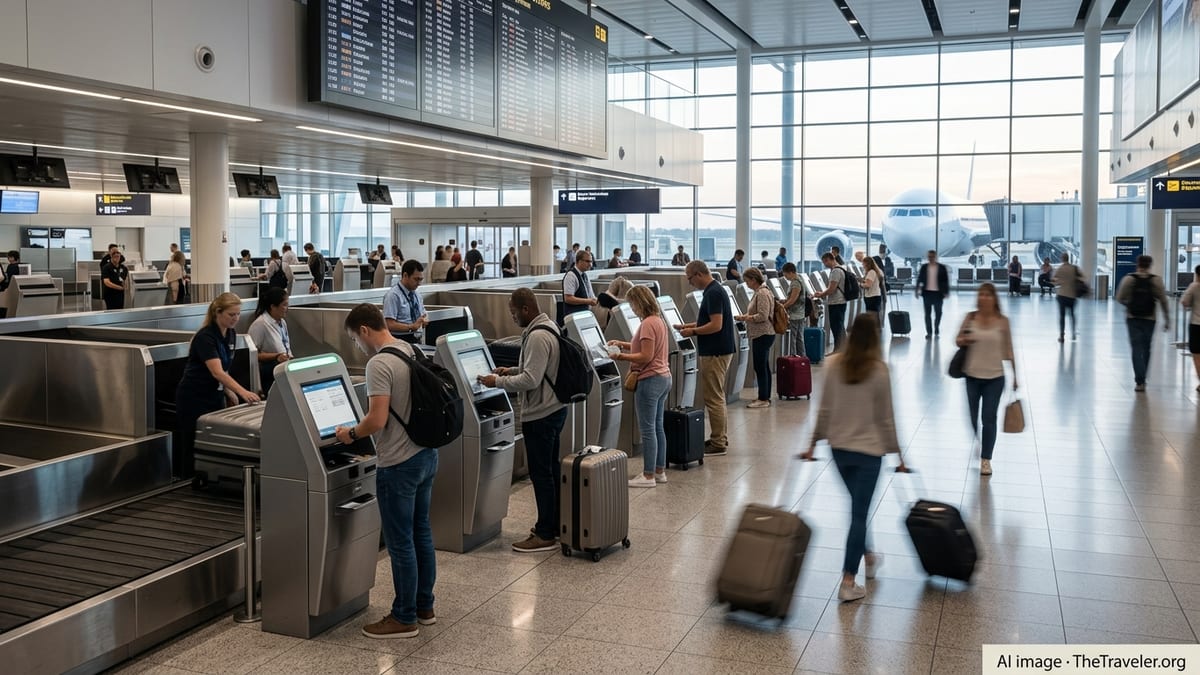
Thai Airways operations at Bangkok’s Suvarnabhumi Airport remain under intense pressure after days of flooding and equipment breakdowns triggered a baggage-handling crisis, leaving passengers facing long waits, disrupted trips and growing frustration over delayed or cancelled flights.
Get the latest news straight to your inbox!
Floods, staff shortages and broken carts converge at Suvarnabhumi
Publicly available information from Bangkok shows the disruption began on September 26, 2026, when heavy rain and flooding around the capital made it difficult for ground-handling staff to reach Suvarnabhumi Airport. Airport updates describe shortages among Thai Airways check-in and ramp crews, particularly those responsible for loading and unloading baggage.
Airport and local media reports indicate that the flooding coincided with mechanical problems affecting some of Thai Airways’ baggage carts and related ground equipment. With fewer staff on duty and part of the baggage fleet out of service, the airline struggled to move suitcases between aircraft, sorting areas and carousels, even as flights continued to arrive and depart.
By September 27, images and video from the terminal showed trolleys and storage rooms stacked with unclaimed suitcases while passengers on arriving flights waited hours at baggage belts. Reports from the same period describe departures pushed back from their scheduled times as aircraft waited for luggage to be offloaded or loaded, tying the baggage crisis directly to flight punctuality across parts of the Thai Airways network.
Airport statements and local coverage characterize the situation as affecting both inbound and outbound Thai Airways services at Suvarnabhumi, although other airlines using different ground contractors appeared less severely impacted. Asia-focused travel advisories note that while the airport itself has remained open, access roads and ground operations around Thai Airways have been significantly constrained.
Cancellations and delays ripple through Thai Airways schedule
As the baggage backlog deepened, Thai Airways began trimming its schedule, cancelling selected domestic and regional flights out of Suvarnabhumi while delaying many others. Travellers posting recent accounts from the airport describe departure boards filled with late-running Thai Airways services and, on some routes, a high proportion of cancellations on the afternoon of September 28.
Independent disruption trackers and regional news outlets report that the cancellations have primarily affected short-haul routes where aircraft rotations are tightly timed, making them particularly vulnerable when ground-handling slows down. Longer waits for baggage offload and loading can quickly cascade into missed slots and knock-on delays for subsequent departures.
Available operational updates suggest that long-haul services have mostly continued to operate, although some have departed late while luggage was being processed. Travel industry briefings note instances where passengers were flown without all of their checked bags on board, with delayed luggage scheduled for delivery on later flights once the ground situation stabilizes.
Detailed cancellation counts have not been fully published, but internal estimates cited in aviation-focused commentary point to several dozen Thai Airways services disrupted over the first three days of the crisis, either through outright cancellation or extended delays. This has complicated travel plans for both international visitors arriving in Thailand and domestic passengers trying to move between Bangkok and popular destinations such as Phuket and Chiang Mai.
Stranded passengers navigate missing luggage and scarce information
For travellers caught in the middle of the disruption, the most visible impact has been at the baggage carousels. Social media posts and traveller forums from September 27 to 29 describe waits of three to six hours for checked bags, with some passengers ultimately directed to leave the airport without their luggage and register contact details instead.
Public information from the airport and Thai Airways instructs passengers who do not receive their bags to file a delayed baggage report at the airline’s baggage services counter before leaving the secure area. Once a file is created, luggage is to be traced through the baggage system and delivered to a provided address after it is located and cleared through customs.
Accounts from those already processed in this way indicate that staff are issuing reference numbers and advising passengers that deliveries may take at least one to two days while the backlog is cleared. In the meantime, travellers have raised concerns about essential items such as medication, baby supplies and business equipment being locked in delayed suitcases, with some turning to airport shops or city retailers to replace key items out of pocket.
Communication has emerged as a recurring theme in passenger reports. While flight information screens at Suvarnabhumi now display additional notices about baggage delays for Thai Airways flights, travellers arriving during peak disruption periods describe limited verbal updates at the carousel and difficulty reaching airline hotlines from abroad or within Thailand.
Airport, airline and government move to contain the crisis
In response to mounting complaints, Suvarnabhumi Airport has outlined a series of measures intended to stabilize operations. Public briefings describe closer coordination with Thai Airways on staffing plans, displaying baggage-status messages on terminal screens and deploying extra airport personnel to assist and direct passengers in baggage claim halls.
Thai Airways has announced temporary policy changes to give affected customers more flexibility. According to recent airline advisories and travel-industry summaries, passengers holding tickets issued by September 26 for flights to or from Bangkok can switch to alternative dates within a defined window without change fees, subject to seat availability. The airline has also highlighted options for rerouting on certain itineraries where connections through Bangkok have become unreliable.
National media coverage describes Thailand’s Ministry of Transport and other agencies working with the carrier to secure additional equipment and personnel, including support from military units at Suvarnabhumi to help move and sort baggage. These reinforcements are intended to accelerate the process of matching stranded bags with owners while allowing regular flight operations to continue.
Published coverage from business outlets reports that Thai Airways expects to significantly reduce the baggage backlog by September 29 and 30, with priority given to delivering luggage that has already been registered as delayed. However, the precise timeline for full normalization remains uncertain, as further heavy rain could again affect access roads and staffing levels around the airport.
What travelers flying through Bangkok should do now
Travel organizations and passenger-rights groups following the situation in Bangkok are advising anyone booked on upcoming Thai Airways flights to monitor their flight status frequently through official airline channels and to allow extra time to reach Suvarnabhumi while flood-related traffic disruption persists. Travellers are also being encouraged to travel with essential medication, valuables and one change of clothing in carry-on bags in case checked luggage is delayed.
Industry guidance highlights that rebooking and change-fee waivers connected to the flooding and baggage disruption are time-limited and depend on the original travel date and route. Passengers are being urged to review the specific conditions that apply to their ticket type before changing plans, particularly where separate tickets or codeshare flights with other airlines are involved.
For those already affected by missing luggage, consumer advocates stress the importance of keeping all travel documents and baggage tags, as these are required to file and track a delayed baggage claim. Passengers are also being encouraged to retain receipts for emergency purchases, which may be needed later if they seek reimbursement from an airline or travel insurer.
While the immediate focus in Bangkok is on clearing mountains of stranded bags and restoring a reliable flight schedule, the episode has renewed scrutiny of how vulnerable hub airports can be when extreme weather coincides with fragile ground-handling systems. For Thai Airways and Thailand’s flagship gateway, the coming days will be crucial in demonstrating that the worst of the baggage crisis is past and that confidence for peak travel seasons can be rebuilt.