


More news on this day
Thai Airways is facing mounting criticism after days of baggage chaos and flight disruption at Bangkok’s Suvarnabhumi Airport left passengers waiting hours for luggage and, in some cases, stranded without clear information on when their bags would arrive.
Get the latest news straight to your inbox!
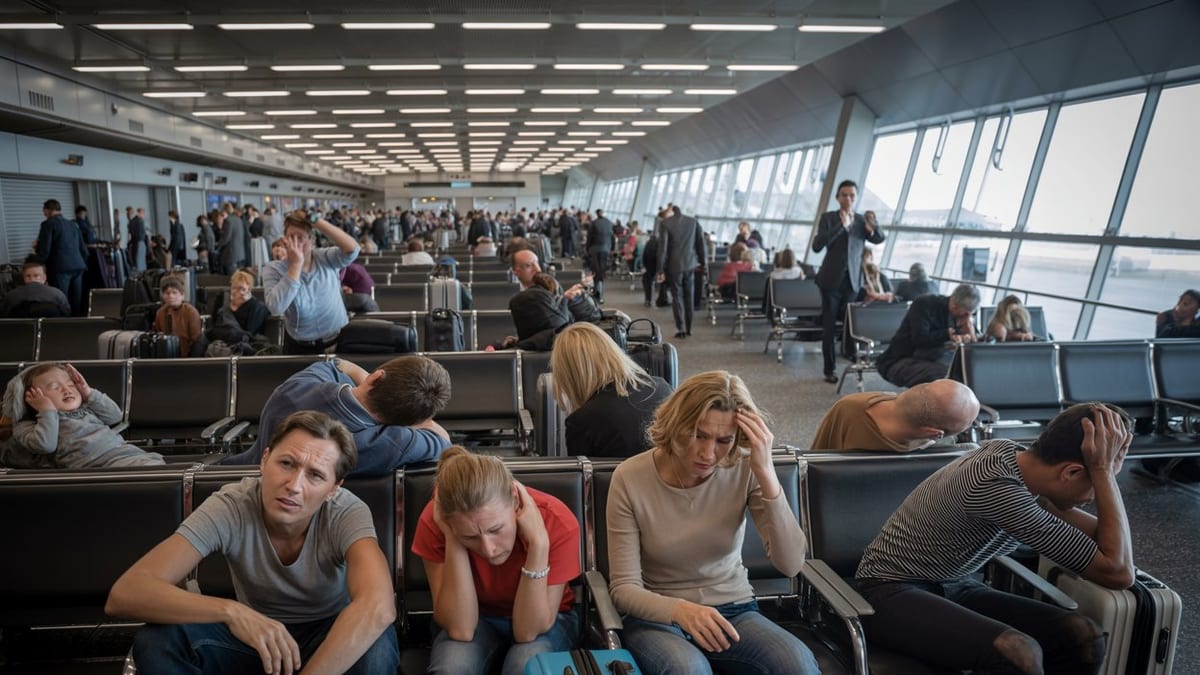
Floods, Staff Shortages and Faulty Carts Converge at Suvarnabhumi
Published coverage indicates that the problems began on September 26, 2026, when heavy rain and widespread flooding around Bangkok disrupted journeys for ground handling staff serving Thai Airways at Suvarnabhumi Airport. Airport statements and local reports describe staff struggling to reach the airport, leaving too few personnel to load, unload and sort baggage for the flag carrier’s flights.
At the same time, Suvarnabhumi officials reported that a number of Thai Airways baggage carts and related ground equipment were out of service, reducing the airline’s capacity to move luggage between aircraft, sorting areas and carousels. The combination of absent staff and malfunctioning equipment led to significant slowdowns across both inbound and outbound operations.
By September 27, the impact was visible in stacked bags and crowded claim halls. News outlets in Thailand reported passengers waiting five to six hours at baggage belts, while others saw their flights delayed or departed Bangkok without their checked suitcases loaded. Airport operators publicly acknowledged a backlog affecting Thai Airways departures and arrivals over at least two consecutive days.
The situation unfolded as Bangkok contended with flooding that had already affected hundreds of thousands of residents. Military assistance was directed to the airport to help move luggage and support overwhelmed ground teams, highlighting how a weather shock quickly evolved into a systemic disruption for one of the region’s key aviation hubs.
Stranded Passengers Report Long Waits and Patchy Information
As baggage delays mounted, travelers began sharing their experiences of uncertainty at Suvarnabhumi. Passenger accounts in regional media and online forums describe carousels at a standstill, growing piles of unclaimed suitcases and long queues at Thai Airways baggage service counters, with some travelers returning to hotels or continuing journeys without their belongings.
Several reports highlight a particular source of frustration: limited or inconsistent updates on when bags would be delivered or how long delays would last. While standard procedures require passengers to file delayed baggage reports, many accounts suggest that after the paperwork was completed, travelers struggled to obtain status updates or clear timelines, leaving them unsure whether to wait at the airport or proceed to their accommodation.
Domestic passengers also encountered disruption. Coverage from local outlets and social media posts point to extensive delays across Thai Airways’ domestic network from Suvarnabhumi, with some travelers reporting hours-long waits in departure areas and limited proactive announcements. One widely shared description referred to “very poor comms,” reflecting a feeling that operational problems were not being matched with real-time, practical guidance.
These individual stories, while anecdotal, have contributed to a broader perception that communication did not keep pace with the scale of the disruption. For an airline that promotes full-service offerings, the gap between expectations and the on-the-ground experience has become a focal point of public reaction.
Thai Airways and Airport Operators Move to Clear the Backlog
In the days following the initial breakdown, Thai Airways and Suvarnabhumi Airport outlined a series of remedial measures aimed at restoring normal operations. Public statements from the airline indicate that additional personnel were deployed to baggage sorting and delivery areas to increase capacity and shorten processing times.
Thai Airways has also described efforts to reorganize work shifts and reassign staff from less critical functions to priority baggage handling. According to company updates, the airline began arranging delivery services for delayed luggage, with passengers who had filed reports told that bags would be transported to provided addresses once located and processed.
Airport authorities, for their part, said they had requested the airline to urgently repair or replace faulty baggage carts and equipment and to increase ground handling staff to match the level of flight activity. Suvarnabhumi officials also reported deploying their own staff in baggage claim areas to help direct passengers, manage queues and provide basic information on the evolving situation.
Additional assistance has come from state agencies. Public information shows that the Thai Air Force sent ground personnel to the airport to help move luggage and support clearing the backlog, underscoring official concern about the reputational and operational risk of prolonged disruption at the country’s main international gateway.
Communication Breakdown Becomes a Flashpoint
While heavy rain and flooding triggered the initial disruption, the way information flowed to passengers has become a central theme in public discussion. Commentators in local media and traveler communities have questioned whether Thai Airways and airport operators communicated early, clearly and consistently enough as it became evident that delays would become severe.
Reports highlight several recurring issues. Some passengers described learning about major delays only after disembarkation, with limited explanation at the gate or on board. Others said they were advised simply to wait at the carousel without being given realistic time estimates, even as waits stretched to several hours and bags from multiple flights remained off the belts.
Online discussions also point to confusion over where to seek help. Travelers recounted moving between Thai Airways check in counters, baggage service desks and general information points in search of updates, sometimes receiving conflicting answers about when luggage might appear or whether delivery would be arranged automatically. In the absence of centralized, consistent messaging, many resorted to social media for real time pictures and anecdotal guidance.
Analysts note that such communication gaps can magnify the impact of operational failures. Even when severe weather limits what airlines and airports can physically do in the short term, clear information about likely wait times, compensation rules and practical next steps can shape passengers’ perceptions of fairness and competence. In this case, criticism has increasingly focused not only on delays themselves, but on how they were explained and managed.
What the Crisis Means for Thai Airways and Future Travelers
The baggage backlog at Suvarnabhumi comes at a sensitive moment for Thai Airways, which has been working through a long running restructuring and seeking to rebuild its image as Thailand’s flagship carrier. Travel industry observers suggest that highly visible disruptions at the airline’s main hub risk undermining those efforts, especially as international tourism to Thailand remains a vital part of the national economy.
For travelers, the episode offers practical lessons. Publicly available guidance from consumer organizations and aviation regulators emphasizes keeping baggage tags, filing a delayed baggage report before leaving the airport and retaining receipts for essential items purchased while bags are missing. In the current situation, Thai Airways has advised affected passengers who registered their details that luggage delivery would proceed progressively once the backlog is processed, but exact timelines can vary.
In the days ahead, scrutiny is likely to focus on how the airline and airport adapt their contingency planning. Questions being raised in local coverage include whether Thai Airways has sufficient ground handling reserves for severe weather, how quickly equipment issues are identified and resolved, and what protocols govern passenger communications during large scale disruptions.
For now, operations at Suvarnabhumi are reported to be improving as floodwaters recede and additional staff and resources arrive. Yet images of crowded baggage halls and stories of travelers left waiting without clear information have already become part of the public record, adding pressure on Thai Airways to demonstrate that lessons from this episode will lead to more resilient systems and more transparent communication the next time a crisis hits.