


More news on this day
Thai Airways is facing mounting criticism after days of severe baggage delays and disrupted departures at Bangkok’s Suvarnabhumi Airport left many passengers stranded or separated from their luggage, with numerous reports highlighting scant information, conflicting updates and confusion over how and when bags would be returned.
Get the latest news straight to your inbox!
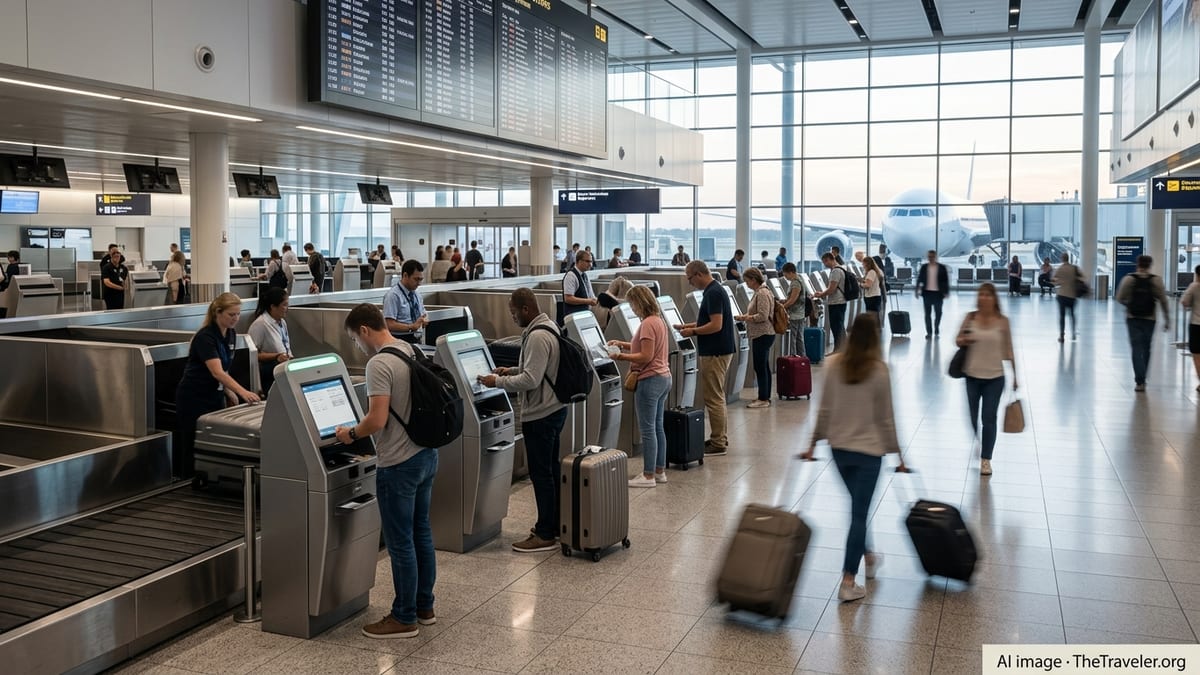
Floods Expose Fragility in Thai Airways Ground Operations
According to airport statements and domestic news coverage, luggage problems for Thai Airways passengers began on September 26, 2026, as heavy flooding around Bangkok disrupted travel for ground staff heading to Suvarnabhumi Airport. With many employees reportedly unable to reach the airport, Thai Airways’ ground handling workforce was significantly reduced. At the same time, technical faults affected some of the airline’s baggage transport carts, compounding mounting delays in both loading and unloading checked bags.
Publicly available information from Suvarnabhumi Airport indicates that the disruption quickly spread across the Thai Airways network at the hub, affecting almost all inbound and outbound flights handled by the airline over several days. Local media reports describe aircraft departing late or leaving with some checked bags still in Bangkok, while arriving passengers were kept waiting for hours at baggage carousels or left without clear confirmation of when their luggage would appear.
By September 28, domestic outlets were reporting that the situation had escalated into a full-scale baggage backlog gripping Thai Airways operations at Suvarnabhumi. Coverage from Thai Examiner and other publications described scenes of exhausted airline staff working among piled suitcases in sorting areas, with some passengers reportedly facing waits of up to six hours for luggage and others departing Thailand without their checked bags.
Airport authorities have said they are working with Thai Airways to bring in additional staff, repair or replace damaged carts and reroute baggage flows within the terminal. However, as of September 29, updates from Thai media and passenger accounts suggest that the backlog has not yet fully cleared and that problems remain concentrated around flights handled by Thai Airways at the Bangkok hub.
Passengers Report Long Waits and Little Information
While the initial trigger for the disruption appears rooted in flooding and equipment failures, much of the public anger now directed at Thai Airways centres on the way information was or was not shared with passengers. Social media posts, public forums and traveler accounts describe long queues at baggage service counters and confusion over how to file claims, with some passengers saying they were advised to leave the airport and wait for contact despite having no written confirmation or tracking details for their stranded luggage.
On travel discussion boards dedicated to Thailand, several users posting between September 28 and 29 reported arriving at Suvarnabhumi on Thai Airways flights to find no luggage on the belt and limited staff available to explain what was happening. Others stated that they were rebooked or endorsed onto other carriers out of Bangkok while their bags remained stuck in the Thai Airways system, again with minimal clarity over how or when their belongings would be forwarded or delivered.
Multiple posts from early arriving days of the crisis describe departures rescheduled or delayed while bags were still being processed, with some passengers choosing to abandon checked luggage in order to make onward connections. For those who stayed to wait for luggage, several online accounts reference waits of four to six hours in the arrivals hall, often with only sporadic public announcements and little individual guidance.
Although Suvarnabhumi Airport has stated that baggage status information for Thai Airways flights is being displayed on terminal screens and that staff are deployed at belts to assist, passenger reactions suggest that what is visible to travelers on the ground varies significantly by time of day and location. In practice, many customers appear to be relying on word of mouth, informal messaging channels and online communities to understand the scale of the disruption and their options.
Communication Gaps Put Focus on Thai Airways Customer Care
The baggage disruption has revived scrutiny of Thai Airways’ broader approach to customer communication during irregular operations. The airline’s own customer service plan for flights to and from the United States states that it will make every reasonable effort to return mishandled baggage within 24 hours and keep customers informed of delays. Yet current accounts from Bangkok suggest that many passengers are uncertain how those commitments apply amid a systemwide backlog affecting thousands of bags.
Publicly available customer information on the airline’s website directs travelers with baggage issues to contact centre lines and online forms, but passengers caught in the current crisis report difficulty getting timely, personalised responses. Some describe repeated attempts to reach call centres from hotels or onward destinations with little concrete information about where specific bags are located inside the airport system or when deliveries might be scheduled.
In comments reported by Thai media, Thailand’s tourism authorities have emphasised that travellers should not disembark flights into a situation where they face prolonged uncertainty about their luggage. Reports indicate that officials have pressed Thai Airways and airport management to prioritise clearer, more proactive communication at the baggage hall, including regular announcements, visible status boards and better explanation of delivery options for those who cannot wait at the airport for hours.
The contrast between these expectations and the experiences recounted publicly by travelers has fuelled criticism that Thai Airways was slow to acknowledge the scale of the disruption in its passenger-facing channels. While internal coordination between the airline and Suvarnabhumi appears to have intensified, there is little sign so far of a widely publicised, passenger-focused action plan spelling out timelines, rights and remedies for those affected.
Emergency Measures Highlight Scale of Baggage Backlog
As the baggage chaos continued into a third day, domestic coverage reported that additional resources were being deployed to Suvarnabhumi to help clear the backlog. Thai Examiner and other outlets have described the involvement of military personnel assisting with baggage handling alongside Thai Airways staff in sorting and dispatch areas, underscoring how far the situation has moved beyond routine operational disruption.
Suvarnabhumi Airport has publicly stated that it is working urgently with Thai Airways to boost ground-handling capacity, repair malfunctioning equipment and restore normal processing times. Reports indicate that more baggage carts and tugs are being brought into service, while staff are reassigned across shifts to focus on moving delayed luggage out of congested storage zones and into reclaim belts or delivery pipelines.
However, even with emergency measures, clearing a backlog of this magnitude is expected to take time. Thai media have cited figures suggesting dozens of Thai Airways flights experienced delays on September 28 alone, implying that several days of arrival and departure waves fed luggage into a system that was operating far below normal staffing and equipment levels. That volume continues to work its way through the airport, affecting both newly arriving passengers and those who traveled earlier in the disruption.
For visitors landing in Bangkok in the coming days, the practical impact is that they may encounter longer than usual waits for checked bags on Thai Airways flights, or find that luggage from previous days is still being routed to the reclaim area. The key uncertainty, highlighted frequently in passenger accounts, is how consistently this reality is being communicated in advance via booking channels, mobile apps, emails or check in counters.
What Stranded Travelers Can Expect and Do Next
In the absence of a detailed, publicly visible compensation or service recovery plan specific to the current crisis, travelers are turning instead to general airline and international guidelines to understand their options. For itineraries touching the United States, Thai Airways’ customer service plan states that it will make every reasonable effort to return mishandled baggage within 24 hours and provide reimbursement for certain reasonable, verifiable and actual incidental expenses that passengers may incur while their bags are delayed.
For journeys between Bangkok and other regions, publicly available guidance from consumer agencies and industry bodies indicates that passengers should ensure they file a written baggage irregularity report at Suvarnabhumi before leaving the airport, keep boarding passes and baggage tags, and obtain a reference number. This documentation becomes crucial if luggage remains missing for several days and travelers need to pursue reimbursement for essentials or longer term loss.
Given the current pressure on airport counters and call centres, some travel advisors quoted in media reports are encouraging passengers to photograph baggage claim forms, baggage tags and any written notices provided at the airport, and to follow up via both online and telephone channels. Clear records of contact attempts, dates and any instructions received can help support claims later, especially where hotel stays, replacement clothing or urgent items such as medication have been purchased while waiting for bags.
Industry analysts tracking the situation suggest that how Thai Airways manages this episode could have a lasting impact on its reputation at a time when Thailand is actively promoting itself as a welcoming, reliable long haul destination. The operational problems triggered by flooding and equipment failures may prove temporary, but passenger experiences of communication and care when things go wrong are likely to shape perceptions long after the baggage backlog at Suvarnabhumi has finally cleared.