

More news on this day
Passengers at Raleigh Durham International Airport faced widespread disruption on Tuesday as publicly available tracking data showed nine flight cancellations and at least 127 delays affecting major carriers and key international routes.
Get the latest news straight to your inbox!
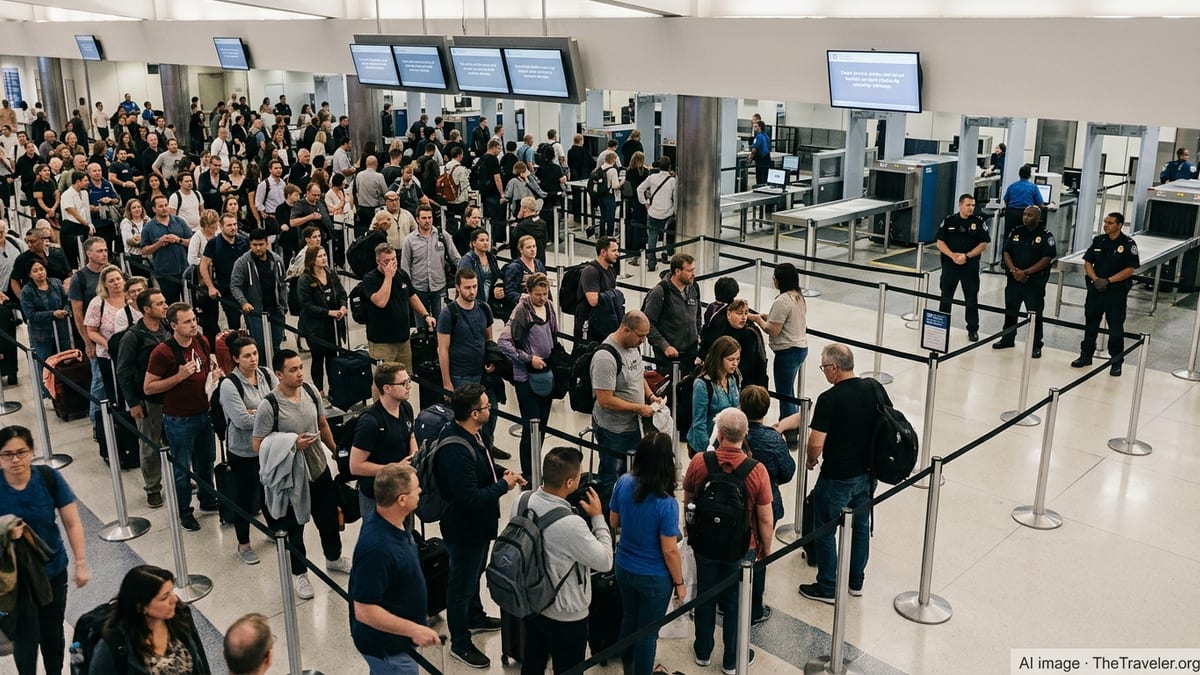
Raleigh Durham Operations Snarl Across Major Carriers
Real time flight tracking dashboards and airport status tools on Tuesday indicated that Raleigh Durham International Airport was contending with an unusually heavy day of schedule disruption, with a combined tally of nine cancellations and 127 delays across its departure and arrival boards. The impact stretched across multiple large and regional carriers, including JetBlue, PSA Airlines, Mesa Airlines, American Airlines, Republic Airways and United Airlines.
Publicly available operational data for major U.S. hubs show that irregular operations can cascade quickly when several airlines adjust their schedules at the same time, particularly at airports with a mix of domestic feeder traffic and long haul international services. At Raleigh Durham, that combination left many travelers facing missed connections, extended time in terminals and rapidly changing departure times.
While precise causes for each individual disruption varied by flight, broader aviation data sets and recent travel coverage point to a mix of factors that typically drive patterns like those seen at Raleigh Durham. These include upstream congestion at larger hubs, staffing and aircraft routing constraints, and seasonal weather systems that slow traffic flows across the national airspace.
International Links to Europe and the Caribbean Affected
The disruption proved particularly challenging for travelers booked on long haul and cross border routes. Published departure information indicated interruptions to services connecting Raleigh Durham with key international gateways such as Toronto, Munich, Dublin, Reykjavik, Madrid and San Juan, either through direct flights or via onward connections that depended on delayed feeder legs.
For passengers bound for Europe, delays to transatlantic departures can have outsized consequences. A late leaving flight from a U.S. gateway often misses carefully timed arrival slots in European hubs, which in turn affects customs processing, rail links and onward intra European connections. When operations at Raleigh Durham slow, the ripple can therefore extend well beyond the Triangle region and into evening bank departures overseas.
Caribbean bound travelers, including those flying to San Juan, frequently rely on tight connections from smaller U.S. cities through midcontinent or East Coast hubs. Disruptions at the first departure point create a domino effect that can strand travelers overnight or force rebooking through alternative cities. Publicly available airline and airport data show that such disruptions tend to peak on days when multiple carriers adjust their schedules at once, as occurred on Tuesday.
Regional Operators Under Strain Alongside Mainline Brands
The pattern of interruptions at Raleigh Durham underscored the central role of regional affiliates such as PSA Airlines, Mesa Airlines and Republic Airways, which operate many flights on behalf of American Airlines and United Airlines. Aviation industry reports note that these regional carriers provide essential feed into large hub airports, connecting smaller cities to long haul networks.
When regional operators encounter disruptions, the effect is often felt first on shorter flights but then migrates to larger aircraft and longer routes as missed connections and mispositioned crews build over the course of the day. Historical performance data published by the U.S. Department of Transportation shows that regionals, like their mainline partners, are vulnerable to delays attributed to air carrier issues, minor weather and constraints in the national aviation system.
At Raleigh Durham, that vulnerability translated into a busy day of rebookings and schedule adjustments across several brands that share common regional operators. Passengers seeing different airline logos on the departure board were in many cases being moved within the same underlying network of regional partners trying to recover their schedules.
Passengers Navigate Limited Options and Federal Rules
The disruption left many travelers weighing their rights and options under U.S. aviation rules. Guidance from the Department of Transportation explains that, unlike in some other regions, there is no nationwide requirement for airlines in the United States to compensate passengers financially for delays or cancellations that are within the carrier’s control, although carriers can choose to offer vouchers, meal credits or hotel stays in certain circumstances.
Consumer reports and recent travel coverage indicate that in practice, responses vary by airline and by the nature of the disruption. When cancellations are driven by weather or broader air traffic control restrictions, passengers are typically offered rebooking on later flights operated by the same carrier. When a cancellation is linked to an issue within the airline’s control, such as maintenance or crew scheduling, some carriers may provide more extensive assistance.
On days like Tuesday at Raleigh Durham, however, sheer volume can limit what airlines are able to offer. With nine flights canceled and more than a hundred delayed, spare seats on later departures quickly become scarce, particularly on popular routes to international hubs and leisure destinations. That scarcity often forces travelers to accept longer routings, overnight stays or departure dates several days later than planned.
RDU’s Growing International Profile Heightens Impact
Raleigh Durham International Airport has expanded its international portfolio in recent years, adding and restoring routes to Europe, Canada, the Caribbean and Latin America. Publicly accessible airport statistics and route maps highlight services to major global hubs including Toronto, European capitals and seasonal leisure destinations, supported by carriers such as Air Canada, Lufthansa group airlines, Iceland based operators and U.S. majors.
That expanding role means the airport’s operational hiccups now reverberate along longer and more complex itineraries than when it functioned primarily as a domestic gateway. A day featuring nine cancellations and more than one hundred delays therefore carries implications not only for local passengers but also for connecting travelers whose journeys span multiple countries and time zones.
As airlines continue to rebuild and refine international schedules heading into the peak summer travel period, industry observers note that secondary hubs like Raleigh Durham are likely to remain under pressure during periods of system wide stress. Passengers planning trips through such airports are often advised, in public consumer guidance, to allow extra connection time, monitor their flight status closely and consider travel insurance products that can help offset the costs of unexpected overnight stays or missed connections.