


More news on this day
Hundreds of flights across the United States were cancelled and thousands more delayed as regional carriers including SkyWest, Republic Airways, Envoy Air and GoJet experienced major operational disruptions, paralyzing large parts of the domestic network and stranding travelers at hubs and small-city airports alike.
Get the latest news straight to your inbox!
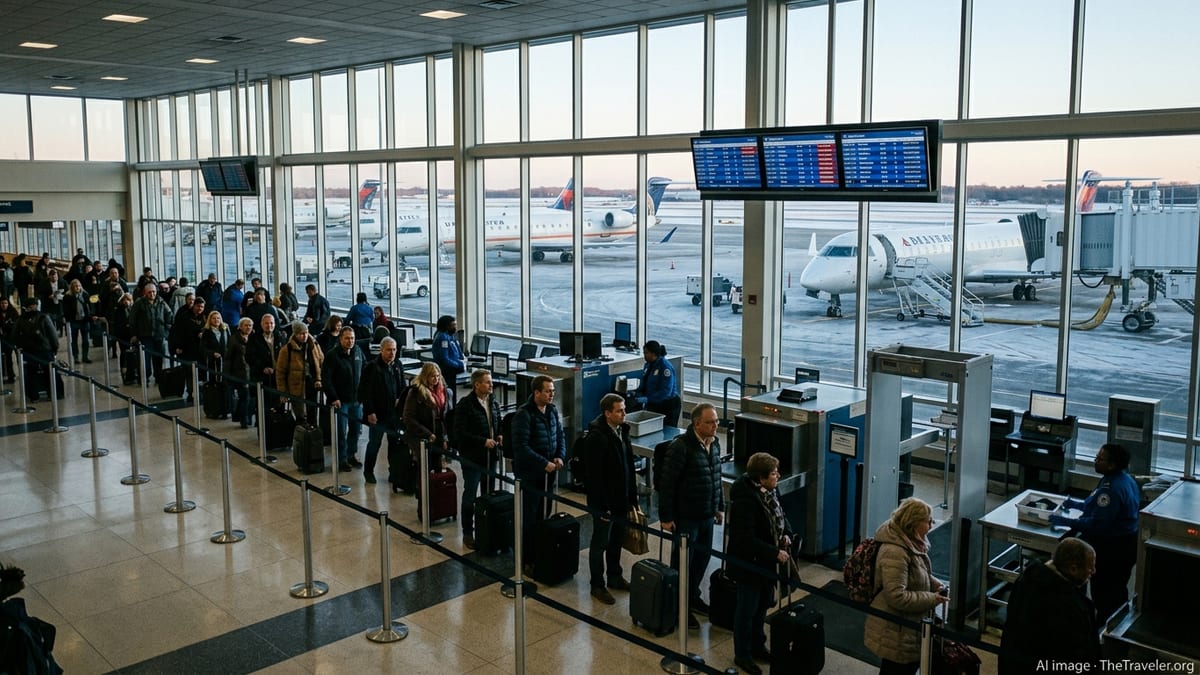
Systemwide Strain as Regional Partners Stall
Operational data reviewed on Thursday showed at least 338 flights cancelled nationwide and roughly 4,100 delayed, with a significant share tied to regional operators that fly under major-brand names. SkyWest, Republic Airways, Envoy Air and GoJet function as contract carriers for large airlines, operating aircraft painted in the liveries of American, Delta, United and others. When their schedules seize up, the ripple spreads quickly through the broader system.
Publicly available trackers indicated elevated cancellation and delay rates on routes typically served by smaller regional jets, particularly in the Midwest, Mountain West and secondary East Coast hubs. Airports that rely heavily on feeder services into larger hubs faced clustered disruptions, where multiple flights on the same route were cancelled or pushed back by several hours.
Industry data on regional performance in recent years shows that these carriers operate high volumes of short-haul sectors, with limited spare aircraft and crews available. When multiple issues occur simultaneously, recovery can take longer than at larger mainline airlines that have more options to swap equipment or reroute staff.
The latest disruption underscored how dependent the domestic air travel network has become on regional operators that most passengers rarely recognize by name, even though they are responsible for a substantial share of daily departures in the United States.
Operational Factors Behind the Disruptions
Initial indications pointed to a mix of contributing factors, including localized weather challenges, air traffic flow constraints and crew availability problems. Aviation consumer reports describe how even moderate weather systems can trigger broader airspace restrictions, creating bottlenecks that particularly affect tightly scheduled regional operations.
When aircraft and crews are cycled through several short flights per day, a delay of even 45 minutes early in the schedule can propagate into a full cancellation later in the rotation. If crews time out under federal duty rules, flights may be held while replacements are sought, or dropped entirely if no backup is on hand.
Historical performance data for SkyWest, Republic and Envoy shows that these airlines generally keep cancellation percentages in the low single digits during normal conditions, but that rates can spike sharply during periods of compounded stress. Published federal datasets also show that causes of delay at regional operators often mirror systemwide patterns, with late arriving aircraft, air carrier issues such as maintenance or crew, and national aviation system constraints all playing significant roles.
In the latest episode, the combination of factors appears to have converged on the same day, concentrating the effect in regional fleets and turning what might otherwise have been routine weather and traffic challenges into a broader operational breakdown for travelers relying on connecting flights.
Impact on Travelers Across the United States
The disruption left passengers facing long waits at gate areas, snaking rebooking lines and crowded call centers as they sought alternate routes. Because many of the affected flights link smaller communities to major hubs, travelers often had fewer replacement options, especially on evening departures where the last flight of the day was cancelled.
Published coverage of recent disruption events shows that when regional partners encounter extensive problems, passengers typically experience longer travel times and more missed connections than during comparable mainline issues. This is partly because smaller airports see fewer daily departures and fewer airlines competing on the same routes, limiting the ability to shift to another carrier or later flight.
Travel advisers recommend that passengers caught in such conditions monitor both airline apps and general flight tracking tools for real time gate and status information. They also suggest checking same day availability from nearby airports that may not be as heavily affected, particularly for travelers departing from smaller regional fields.
With delays numbering in the thousands, many customers also faced secondary consequences such as missed business meetings, lost hotel nights and interrupted vacation plans, underscoring how a relatively small number of regional operators can have outsized effects on nationwide mobility when their operations falter.
What the Disruption Reveals About US Airline Networks
The events highlighted structural vulnerabilities in the way major airlines depend on regional partners to maintain frequency on thinner routes and to feed traffic into hub complexes. In many cases, these flights operate under codeshare arrangements where a ticketed passenger believes they are flying on a large carrier, while the actual operating airline is a separate company with its own staffing and fleet challenges.
Federal transportation statistics show that SkyWest and Republic rank among the largest regional operators by scheduled flights, while Envoy Air and GoJet also play important roles in linking smaller markets. Because these companies typically use smaller aircraft seating between 50 and 76 passengers, their cancellation totals can translate into thousands of disrupted journeys even if the raw number of flights appears modest compared with mainline activity.
Analysts note that tight labor markets for pilots and technicians, combined with high utilization of existing fleets, have left regional airlines with less slack to absorb short notice disruptions. When one carrier is forced to ground several aircraft for maintenance or crew issues, the knock on effect can quickly extend to partner airlines and their hubs.
The latest wave of cancellations and delays may intensify scrutiny of how regional capacity is managed and whether the current balance between frequency, staffing and resilience is sufficient for a system that regularly handles tens of thousands of daily flights across the country.
Guidance for Affected Passengers Going Forward
Consumer advocates recommend that travelers review their rights on refunds and rebooking in the event of cancellations or significant delays. Public information from transportation authorities notes that passengers are generally entitled to a refund if a domestic flight is cancelled and they choose not to travel, even for nonrefundable tickets.
Experienced travelers often suggest building extra time into itineraries involving regional connections, especially in seasons prone to weather issues. Booking longer layovers at major hubs can reduce the risk of misconnecting when a feeder flight is delayed, although this can mean trading convenience for reliability.
Travel planners also encourage passengers to pay close attention to which carrier is actually operating each leg of an itinerary. Knowing whether a route is flown by a regional partner can help set expectations around aircraft type, schedule frequency and the potential impact if disruptions occur.
As airlines and regulators review performance data from the latest episode, there may be renewed discussion of how to strengthen regional networks so that a spike in cancellations and delays at a handful of operators does not so readily paralyze large portions of the United States air travel system.