


More news on this day
A fresh wave of automation in hotel back offices is poised to change what U.S. travelers expect from loyalty schemes, as RobosizeME touts a major cut in the time it takes for reward points to appear after a stay.
Get the latest news straight to your inbox!
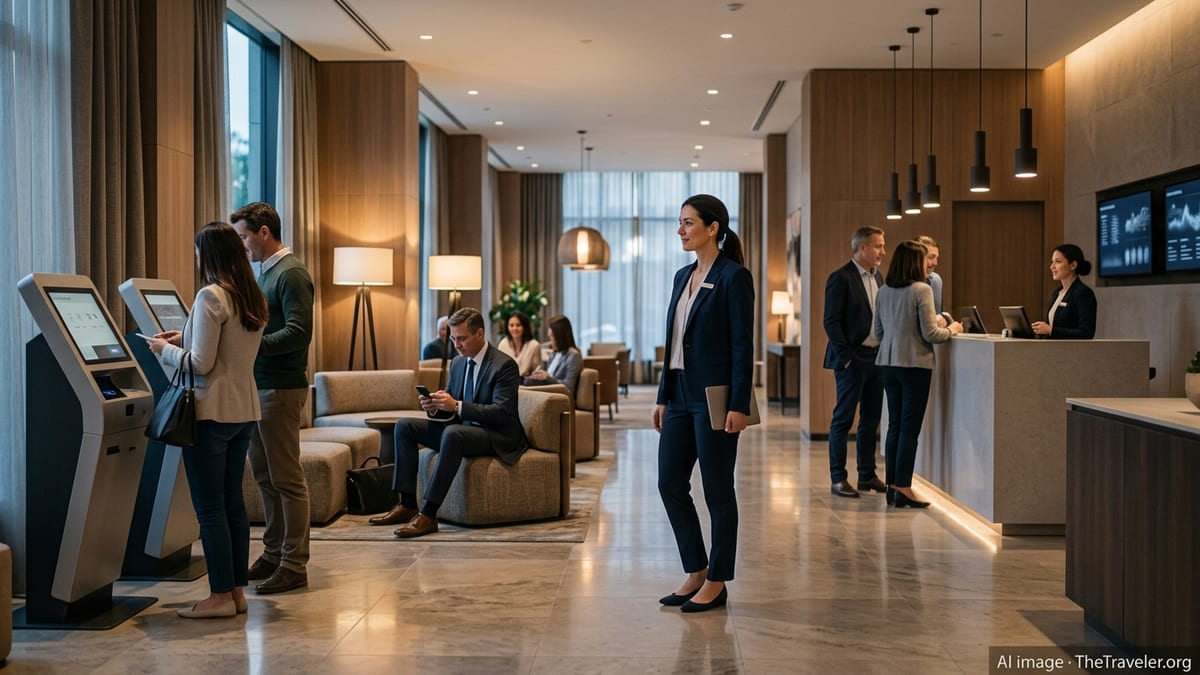
A Global Loyalty Overhaul With U.S. Travelers in Focus
RobosizeME, a hospitality-focused automation specialist based in the United States, has expanded its work with one of the world’s largest hotel loyalty programs, according to a new announcement. The company reports that it has reduced loyalty point update times from three to four days to under 24 hours across thousands of properties and millions of members worldwide.
The initiative centers on AI-enabled workflow automation that connects disparate hotel systems and removes manual steps from the loyalty reconciliation process. Public information indicates that the system automatically validates stays, reads booking and rate data, and pushes eligible transactions into the loyalty platform with far less human input than traditional methods.
While the participating loyalty program has not been named publicly, the scale described suggests a portfolio with a substantial U.S. footprint. That positions American travelers, who are among the most active users of hotel rewards, to experience the day-to-day impact of the change earliest, from faster post-stay recognition to timelier access to bonus offers tied to recent activity.
The update comes at a time when hotel groups are racing to modernize loyalty operations without replacing core property-management or reservation systems. RobosizeME promotes an approach that layers “digital co-workers” on top of existing infrastructure, which could prove attractive for U.S. brands seeking measurable gains without large-scale technology overhauls.
From Days to Hours: Why Point Lag Matters for U.S. Guests
Loyalty point delays are a familiar frustration for frequent travelers, particularly in the United States where road-warrior business trips and multi-brand hotel portfolios are common. In many programs, travelers have grown used to waiting several days for stays to post and for elite-qualifying nights to update, especially when booked through third parties or complex rates.
RobosizeME’s latest figures suggest that loyalty transactions that previously took three to four days to validate and appear in member accounts can now be processed within 24 hours. Industry research on guest experience and loyalty indicates that faster feedback loops tend to strengthen engagement, as members can track progress toward free nights and elite tiers in near real time rather than relying on batch updates.
For U.S. travelers, that shift could change behaviors around redemptions and status planning. Faster posting means members may be more inclined to redeem points on short notice, using newly credited stays for last-minute weekend trips or upgrades. It could also influence how quickly travelers notice missing stays, giving them a narrower gap between check-out and account review.
The timing aligns with broader hospitality trends in 2026, where automation is increasingly used to remove bottlenecks behind the scenes instead of replacing front-of-house staff. Industry-facing analyses describe a push toward using clean, connected data to drive loyalty and revenue decisions, with automation engines working continuously in the background.
Inside the Automation: Digital Co-Workers and Clean Data
RobosizeME positions its technology as a suite of “digital co-workers” that take over repetitive hotel tasks, from payment reconciliation to VIP guest recognition. Company materials describe a central Automation Center used by hotel teams to monitor how these automated workflows perform, including tracked hours saved, return on investment calculations, and streaks of error-free processing.
For loyalty programs, this framework appears to focus on turning fragmented guest data into a clean, reliable feed. In traditional hotel environments, stays may live across several platforms, including property-management systems, central reservation systems, and online travel agency extranets. Each manual handoff increases the risk of errors or delays before a stay is validated for points and elite credit.
Automation tools like those described by RobosizeME are designed to log in, retrieve, reconcile, and push information across these systems at scale, following predefined business rules. If successful, that allows loyalty engines to operate with fresher data and fewer discrepancies, easing pressure on customer service and on-site teams who currently handle corrections and missing-stay claims.
Observers of hotel technology note that this type of behind-the-scenes automation differs from more visible robotics, such as delivery robots or check-in kiosks. Instead of changing how guests interact with staff, the changes aim to ensure that loyalty calculations, eligibility checks, and transactional records happen quickly and consistently in the background.
New Benchmarks for Hotel Rewards Competition
The reported acceleration in loyalty updates could set a new benchmark for large hotel groups serving U.S. travelers. If one major player normalizes sub-24-hour posting windows for most stays, competitors may face pressure to shorten their own processing times, particularly for members accustomed to real-time digital experiences in banking and retail.
Industry commentary over recent years has highlighted how hotel loyalty programs increasingly compete not just on points and perks, but on usability and transparency. Near real-time posting may make promotional offers more compelling, as travelers can see threshold bonuses and status challenges update quickly rather than waiting several days for confirmation.
Faster updates also intersect with revenue management strategies. Data from recent analyses of hotel pricing and demand shows that operators are leaning more heavily on integrated systems that blend rate, occupancy, and guest value information. When loyalty data is more current, it can influence decisions on targeted member discounts, dynamic benefits, or personalized upsell offers in a way that was more difficult with lagging records.
For independent and smaller regional brands in the United States, this could raise the bar on what guests expect from loyalty programs, even if they do not participate in the RobosizeME initiative directly. Technology vendors offering turnkey loyalty and gamification packages already emphasize full automation and zero manual administration as selling points, and may now cite faster posting standards as part of their pitches.
Operational Risks, Rewards, and What Travelers Should Watch
While the benefits of rapid loyalty updates are clear, automation at this scale also introduces operational questions. Analysts and hotel workers discussing automation have previously raised concerns about data quality, exception handling, and the need for clear oversight when software intermediates critical guest transactions.
RobosizeME’s Automation Center is marketed as a direct response to those concerns, giving hotel groups a central place to see how automations are performing, investigate anomalies, and adjust rules without reverting to spreadsheets or ad hoc reports. The company promotes metrics such as hours saved and multi-day streaks of uninterrupted automation as indicators that digital co-workers can be monitored much like human teams.
For travelers in the United States, the immediate advice is simple: watch loyalty accounts more closely in the days following a stay. If RobosizeME’s reported performance gains become standard practice, members may soon see stays post within a day, not several. That will make discrepancies easier to spot quickly, but it may also raise expectations that every rate, channel, and promotion is correctly recognized on the first pass.
As hotel groups and technology providers continue to refine their automation strategies, the latest loyalty update initiative suggests that some of the most meaningful changes to the guest journey are happening behind the scenes. For U.S. travelers, the shift from days to hours in how hotel rewards are processed could quietly redefine what it means to feel recognized as a loyal guest.