


More news on this day
Air traffic control walkouts centered on Rome on May 11 have pushed Italy into one of its most disruptive travel days of the year, with Naples, Pisa and Venice also hit by cancellations, delays and lengthy queues as airlines including Jet2 warn passengers to brace for major disruption.
Get the latest news straight to your inbox!
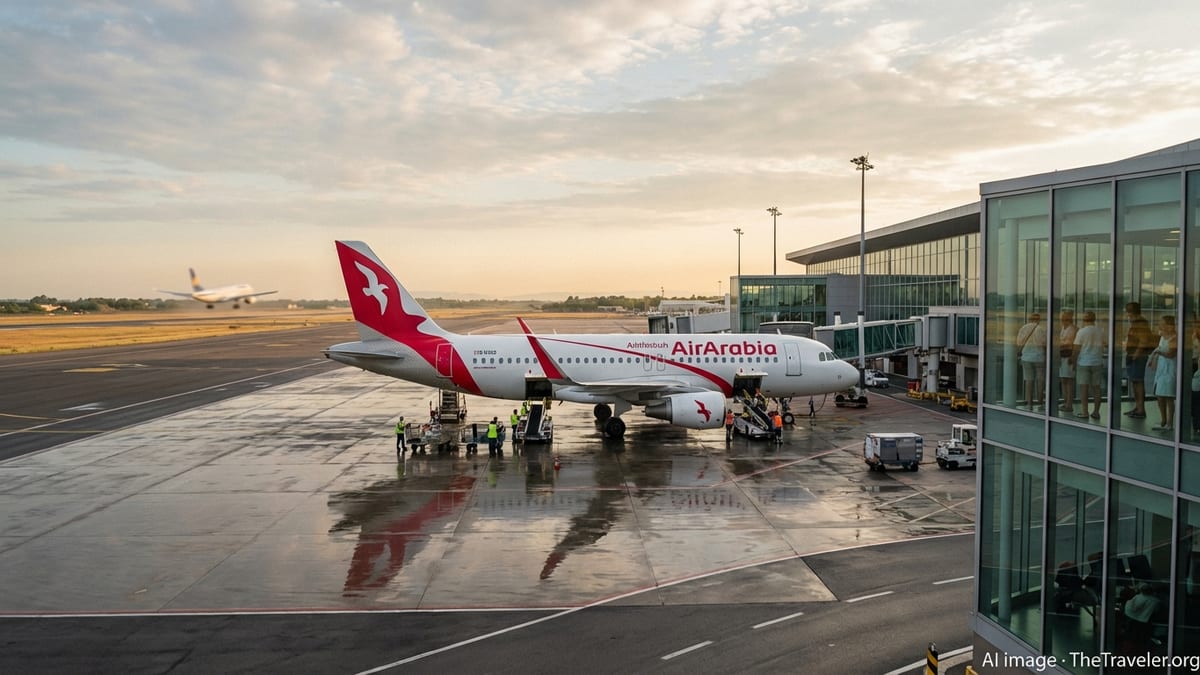
Rome Added to Expanding Map of Italian Flight Disruption
Publicly available strike trackers and airline advisories show that air traffic controllers at ENAV’s Rome Area Control Center are staging an eight-hour walkout on Monday, May 11, from 10:00 to 18:00 local time. The stoppage affects traffic into and out of Rome Fiumicino, as well as overflights routed through central Italian airspace, tightening an already severe squeeze on capacity nationwide.
Rome joins a growing list of Italian airports affected by the coordinated action, with reports citing knock-on delays and schedule changes across Naples, Pisa and Venice. These airports are key gateways for spring and early summer tourism, meaning the time-limited strike is having an outsized impact as visitor numbers climb.
Travel-disruption briefings indicate that guaranteed time bands outside the strike window, typically in the early morning and late evening, are allowing some flights to operate as scheduled. However, airports are struggling with bunching of traffic around those protected periods, and any weather or technical issue during the core strike hours risks compounding delays well into the night.
Advisories emphasize that while the formal strike period runs for eight hours, the operational impact is far wider because aircraft and crews end up out of position. This is especially acute at major hubs such as Rome and Venice, where dense schedules leave little room to absorb disruption.
Jet2 Issues Urgent Guidance as Airlines Trim Schedules
Jet2 has issued an urgent customer advisory warning that the Italian air traffic control strike is likely to cause delays, schedule changes and potentially long waits at airports for travelers flying on May 11. The carrier is urging passengers to monitor flight status closely and arrive at airports earlier than usual, particularly for departures touching Italian airspace during the core 10:00 to 18:00 window.
Other European airlines have taken similar steps, with publicly available information from carriers indicating a mix of preemptive cancellations, retimed services and equipment changes. Several reports highlight that some flights have been brought forward to operate before the walkout begins, while others are pushed into the late evening once airspace capacity starts to recover.
National carrier ITA Airways is among the hardest hit, with specialist aviation outlets reporting that it has canceled a substantial proportion of its May 11 schedule to and from Italian hubs. Low-cost operators with dense Italian networks, notably easyJet, are also referenced in strike summaries as facing significant operational challenges due to the breadth of the action.
Airlines stress that safety is not at risk, because flights can only operate when sufficient air traffic control staffing is available. Instead, the pressure falls on schedules and customer experience, with rolling delays, missed connections and lengthy rebooking processes all reported at affected airports.
Naples, Pisa and Venice Face Long Queues and Ripple Effects
In addition to Rome, Naples, Pisa and Venice have emerged as focal points for disruption, according to travel-industry bulletins and Italian news coverage. Naples and Rome sit under the same broader control structure for large segments of southern and central airspace, so staffing constraints can quickly ripple between the two, affecting both domestic and international routes.
Pisa and Venice, heavily used by low-cost and leisure carriers, are seeing crowded terminals as passengers wait for updated departure information. Reports indicate that some flights are being held on the ground at origin points outside Italy until local air traffic capacity is confirmed, leading to a wave of late arrivals and missed onward connections.
Observers note that Italy has already experienced a busy spring of transport disruption, including earlier rail and local transport actions. The May 11 aviation strike is therefore landing at a moment when airlines and airports are already operating with limited margin for error, amplifying the impact on travelers who may be connecting between air and rail.
Travel analysts point out that Venice and Pisa, in particular, serve as primary gateways for passengers heading to coastal and island destinations. Delays at these airports risk compressing onward travel windows, from ferries to regional rail, turning what should be straightforward transfers into multi-hour ordeals.
What Travelers Should Expect if Flying Today
Passenger advisories compiled ahead of May 11 suggest that travelers can expect a pattern of moderate to severe delays, sporadic cancellations and longer-than-normal queues at check in, security and border control. Even flights that ultimately depart may do so significantly behind schedule, as air traffic controllers prioritize spacing and safe sequencing in constrained airspace.
Travel information services recommend that passengers traveling to or from Rome, Naples, Pisa or Venice build in substantial extra time, keep airline apps and notification services active and be prepared for gate or schedule changes at short notice. Hand luggage where possible, flexible ground transport plans and easily accessible travel insurance details are widely cited as practical ways to reduce stress on the day.
Because the strike affects not only departures but also aircraft transiting Italian airspace, travelers flying between two non-Italian cities may also see knock-on delays if their route typically crosses Italy. Flight tracking data and previous strike patterns suggest that reroutings around Italian airspace can add time and complexity, particularly on busy north–south corridors within Europe.
Airlines and airports are signaling that operations should gradually stabilize after the official end of the strike period, but residual disruption is likely to persist into late evening on May 11. For some carriers, the effects may extend into May 12 as aircraft and crews are repositioned and stranded passengers are re-accommodated on later flights.
Outlook for Italy’s Peak Travel Season
The May 11 strike comes as Italy enters a critical phase for tourism, with late spring and early summer traditionally bringing a surge in international arrivals. Industry observers warn that repeated episodes of disruption risk undermining traveler confidence at a time when airlines are counting on strong demand to support route expansions and higher fares.
Travel trade publications note that labor actions in aviation and other transport sectors are not uncommon in Italy, but the breadth of the May 11 walkouts and the concentration of disruption at high-traffic airports mark this episode as particularly severe. Rome’s central role in European and intercontinental networks means that problems there are often felt far beyond Italy’s borders.
Looking ahead, strike calendars maintained by specialist platforms already list further transport protests in the coming weeks, including in rail and local public transit. While not all of these will affect air travel directly, the combined effect could be a more challenging operating environment throughout the early summer period.
For now, travelers heading to Italy are being advised by publicly available guidance to monitor strike announcements closely in the days before departure, remain flexible with their plans where possible and stay in close contact with their airline. The events of May 11 underline how quickly a coordinated air traffic control stoppage can transform routine journeys to Rome, Naples, Pisa and Venice into day-long ordeals.