


More news on this day
Upcoming runway safety work at Boston Logan International Airport is expected to temporarily cut the airport’s capacity and trigger periodic flight delays, according to recently released planning materials from the Massachusetts Port Authority.
Get the latest news straight to your inbox!
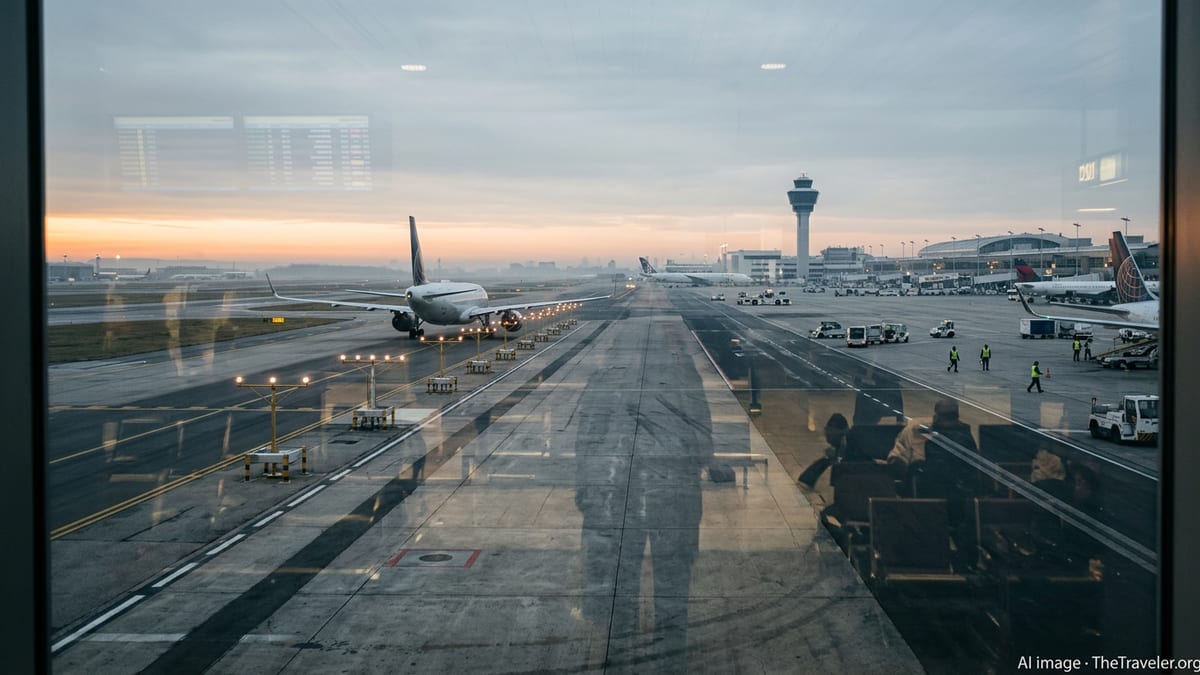
Runway 9/27 safety project set for multiweek closure periods
Publicly available Massport briefing documents describe a two-year construction program focused on improving the runway safety area at Logan’s Runway 9/27, one of the airport’s primary east-west runways. The project timeline outlines back-to-back construction seasons, with the first major phase scheduled to begin in early September 2025 and a second phase planned after July 1, 2026.
The schedule indicates that each construction year will require a full closure of Runway 9/27 for about 75 consecutive days. During those windows, Logan will operate without one of its key pieces of airfield infrastructure, pushing more traffic onto the remaining runways and limiting flexibility during busy periods or challenging weather.
Planning materials state that the work is intended to enhance runway safety areas and related infrastructure in line with federal standards. Runway safety projects typically involve grading, drainage improvements, upgraded lighting, and engineered materials designed to reduce the risk or severity of runway excursions.
The documents show that construction is expected to be completed in fall 2026, suggesting a sustained period of unusual runway configurations and periodic schedule disruptions during the peak summer and early-fall travel seasons.
Capacity constraints could ripple across peak travel periods
Runway 9/27 plays a significant role in Logan’s daily operations, especially when winds and traffic patterns favor east-west movements. With that runway closed for extended periods, air traffic controllers will have fewer options to balance arrivals and departures, particularly during times of heavy demand.
Industry experience at other major airports shows that even a temporary reduction in the number of available runways can quickly translate into airborne holding, longer taxi lines and gate congestion when traffic levels remain high. Logan already ranks among the more delay-prone airports during challenging weather, and the loss of a high-capacity runway is likely to intensify that pressure.
Travelers could feel the impact most sharply on afternoons and evenings when schedules are densest, as well as on days with low clouds, strong winds or thunderstorms, when air traffic managers often impose arrival and departure rate restrictions. Airlines may also build additional buffer time into schedules serving Boston during the work windows, which can lengthen published gate-to-gate times.
Although the work is designed around fixed construction windows, actual operational impacts may vary from day to day, depending on demand, weather and how frequently the airport can use multiple remaining runways at once.
What travelers can expect during the runway work
For passengers, the most visible effect of the construction is likely to be longer waiting times before takeoff and after landing, especially at peak hours. With fewer runways available, it may take more time for aircraft to taxi into position and receive clearance, leading to departure queues on the taxiways and extended arrival spacing in the air.
Public information suggests that airlines have been alerted to the reduced runway capacity and are expected to adjust schedules where necessary. In practice, that could mean retiming some flights to off-peak hours, using larger aircraft on certain routes to consolidate demand, or trimming frequencies on marginal services during the most constrained weeks.
Travelers connecting through Logan may face higher odds of missed connections and itinerary changes during the construction windows, particularly when weather disrupts normal operations. Those with tight connection times or evening departures may be more exposed if earlier delays cascade throughout the day.
At the terminal level, travelers may not see major changes to check-in, security or gate locations tied specifically to the runway project, but should anticipate that irregular operations can cause gate swaps, last-minute boarding changes and shifts between terminals as airlines juggle their fleets.
Massport emphasizes safety amid ongoing community scrutiny
The runway safety work comes amid broader attention to airfield risk at busy U.S. hubs and continuing scrutiny of Logan’s operations from nearby communities. Recent federal data and public reports have highlighted a national focus on runway incursions and close calls, prompting airports and regulators to accelerate infrastructure and procedural upgrades.
Massport planning documents present the Runway 9/27 project as part of a long-running program to align Boston’s airfield with current safety standards while also addressing concerns about noise and environmental impacts. Previous changes to departure procedures and nighttime runway use at Logan have reflected attempts to balance community noise relief with the need to maintain safe, efficient runway operations.
Local commentary and public meetings have underscored residents’ worries about both safety and quality of life, particularly in neighborhoods directly under major arrival and departure paths. The upcoming work is likely to draw renewed interest as changing runway use patterns during construction may temporarily shift where and when aircraft noise is most noticeable.
While the core aim of the project is to enhance safety margins at the western end of the airfield, the operational side effects will be closely watched by airlines, travelers and nearby communities throughout the multi-season construction period.
How to plan a trip through Boston during the construction windows
For travelers planning to fly through Logan on dates that overlap the runway work, careful itinerary planning may help reduce the risk of disruption. Midday and early-morning departures often experience fewer knock-on delays than late-afternoon and evening flights, which can be more vulnerable to schedule compression when airspace and runway capacity are reduced.
Passengers with flexibility may want to favor nonstop flights where possible, or build in longer connection times when a change of planes is unavoidable. Choosing earlier departures in the day can also provide more recovery options if a flight is significantly delayed or canceled.
Travelers who need to be in Boston or at their destination by a fixed time may find it worthwhile to monitor airline communications closely in the days before departure, since carriers may proactively adjust schedules or offer rebooking options in anticipation of peak construction impacts or adverse weather.
As the project progresses, updates to runway status and operational plans are expected to appear in public notices and aviation planning materials. While the overall message from available documents is that safety improvements are the priority, passengers passing through Logan during the work should be prepared for a period of less predictable travel times.