


More news on this day
Russian transport authorities are moving to reassure passengers and airlines that domestic flights will continue operating across the country, after Ukrainian President Volodymyr Zelensky warned carriers and insurers that expanding drone attacks were making Russian airspace increasingly hazardous.
Get the latest news straight to your inbox!
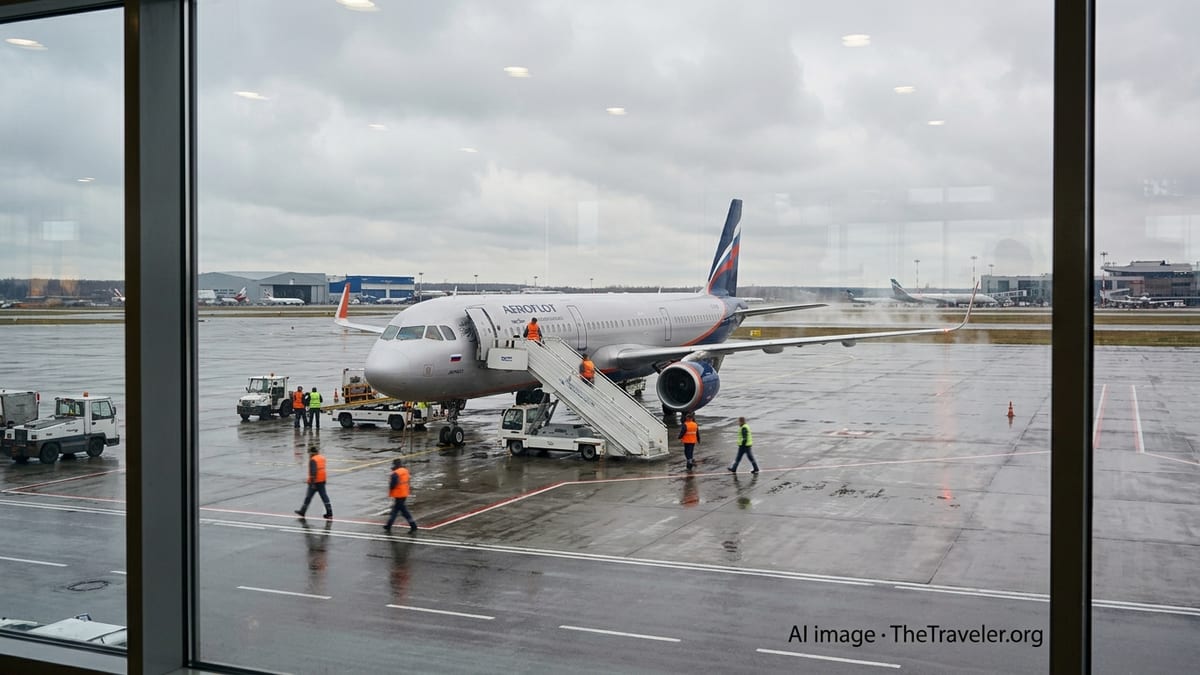
Zelensky’s Warning Raises New Questions Over Russian Skies
Ukraine has significantly stepped up long-range drone operations into Russian territory in recent months, targeting oil facilities, logistics hubs and military infrastructure far beyond the front line. According to published coverage, President Volodymyr Zelensky this week directly addressed airlines, insurance companies and aviation organizations, arguing that “drone-infested skies” meant Russian airspace was effectively closing and that the risks to civil aviation could no longer be ignored.
Publicly available information shows that Ukraine has formally notified international aviation bodies about its assessment of the security environment over Russia, including through a Notice to Air Missions (NOTAM) that Moscow has rejected as illegitimate. Kyiv’s message focuses less on intentional targeting of civilian aircraft and more on the danger of miscalculation in a crowded battlespace where air defenses, cruise missiles and drones are operating simultaneously.
Reports indicate that the warning has been framed by Ukraine as both a safety alert and an attempt to increase economic and logistical pressure on Russia. Restricting access to Russian airspace would complicate travel for millions of passengers who still rely on routes that cross the country, particularly those operated by airlines from Turkey, the Gulf states, India and parts of Asia that continue to use Russian skies.
Moscow Promises to Prevent ‘Significant Disruption’
Russia’s response has focused on projecting continuity and control. Transport Minister Andrei Nikitin, cited by several news outlets, stated that civil aviation regulators are continuously tightening flight safety and airport security requirements and are working in coordination with security agencies. He expressed confidence that the authorities would not allow what he described as any “significant disruption” to civil aviation within Russia.
According to published coverage, Moscow’s messaging stresses that domestic air links between major hubs such as Moscow, St Petersburg and key regional centers remain operational, despite the heightened threat environment. Russian officials have also highlighted ongoing coordination between civil aviation bodies and the military, as air defense systems attempt to intercept incoming drones without affecting commercial traffic.
At the same time, Russia’s broader narrative has characterized Kyiv’s statements as an attempt to sow panic and undermine confidence in the country’s transport system. Commentaries carried by state-aligned outlets frame the Ukrainian warning as psychological pressure designed to deter foreign carriers and further isolate Russia from international travel networks.
Early Impact on Airlines, Airports and Travelers
Initial data from flight trackers and airport boards suggests a visible, if uneven, reaction in Russia’s own aviation system. Reporting from Moscow indicates that on the day after Zelensky’s warning, major airports such as Sheremetyevo and Vnukovo registered dozens of cancellations and delays, even as authorities insisted that overall operations were stable. These disruptions come on top of weather-related and operational challenges that have already strained Russian carriers under sanctions.
Foreign airlines appear to be reassessing their exposure. According to international media reports, at least one Turkish low-cost carrier has cancelled selected flights to Russian destinations, describing the decision as related to “technical and operational” reasons without directly citing the security situation. Travel industry analysts note that such language can sometimes mask broader risk calculations about airspace, insurance and potential route changes.
For passengers, the practical effect is a growing layer of uncertainty on itineraries involving Russian airports or overflight routes. Travelers connecting between Europe and Asia on airlines that still cross Russian territory may face last-minute rerouting if carriers or regulators decide the risk has risen too high. Inside Russia, domestic passengers could encounter more schedule volatility if drone attacks or air defense activity periodically interrupt airport operations.
Global Aviation Weighs Risk Amid an Evolving Air War
International aviation bodies and safety consultants have been tracking the expanding use of drones and long-range missiles in the conflict for months. One risk advisory firm cited in recent coverage assessed that while most Ukrainian strikes are concentrated within several hundred kilometers of the border, attacks deeper inside Russia, including near Moscow and St Petersburg, are now “near-certain” on a daily basis through 2026. The firm also pointed to a realistic possibility of further escalation in both range and frequency.
This evolving pattern places commercial aircraft in closer proximity to active combat operations, particularly around large urban areas that also serve as key aviation hubs. Experts have repeatedly warned that the combination of high-tempo air defense activity, electronic warfare and unmanned systems increases the chance of misidentification or debris incidents that could affect civilian flights, even if those flights are not deliberately targeted.
Airlines and insurers typically rely on state advisories, NOTAMs and third-party risk assessments when deciding whether to continue operating in or over conflict zones. Some Western carriers have already avoided Russian airspace since the full-scale invasion of Ukraine in 2022, rerouting long-haul flights at considerable cost. The latest warnings from Kyiv, and Russia’s pledge to keep skies open, now place additional pressure on carriers from countries that maintained access to Russian routes.
Travel Planning: What Passengers Should Watch Now
For international travelers, the latest exchanges between Kyiv and Moscow underline the importance of checking route details before booking or boarding flights that could transit Russian skies. Industry specialists recommend that passengers verify whether their chosen airline currently overflies Russia or serves Russian airports, and to expect that policies may change quickly if the security outlook deteriorates.
Insurance coverage is another variable. Some travel and aviation insurance policies contain specific clauses related to war risk or sanctioned territories. While much of this is negotiated between airlines, underwriters and corporate clients, individual travelers may wish to review policy language regarding cancellations, diversions and force majeure events connected to conflict.
Travel analysts also note that broader geopolitical developments can rapidly reshape air corridors. Additional sanctions, new government advisories or further escalation in drone and missile campaigns may lead more carriers to adjust or suspend services, lengthen routings or shift capacity to alternative hubs. For now, publicly available information shows that Russian domestic flights continue to operate and many foreign airlines still use segments of Russian airspace, but the balance between commercial demand and security risk is becoming more delicate.
As Ukraine signals its intent to intensify long-range strikes and Russia doubles down on assurances that its skies will remain open, the wider aviation industry faces renewed questions about how to safeguard passengers and crews in an increasingly complex conflict zone.
The Moscow Times: Russia says it will not let Ukraine disrupt air travel
Reuters/Yahoo News: Moscow vows to avoid airspace disruption
ABC News: Zelenskyy says foreign airlines suspend Russia flights
Sky News live coverage: Russia responds to Zelenskyy aviation warning