


More news on this day
Russia has pledged to prevent major disruption to its civil aviation network after Ukraine formally warned airlines and insurers that expanding drone strikes are making Russian airspace increasingly dangerous for passenger and cargo flights.
Get the latest news straight to your inbox!
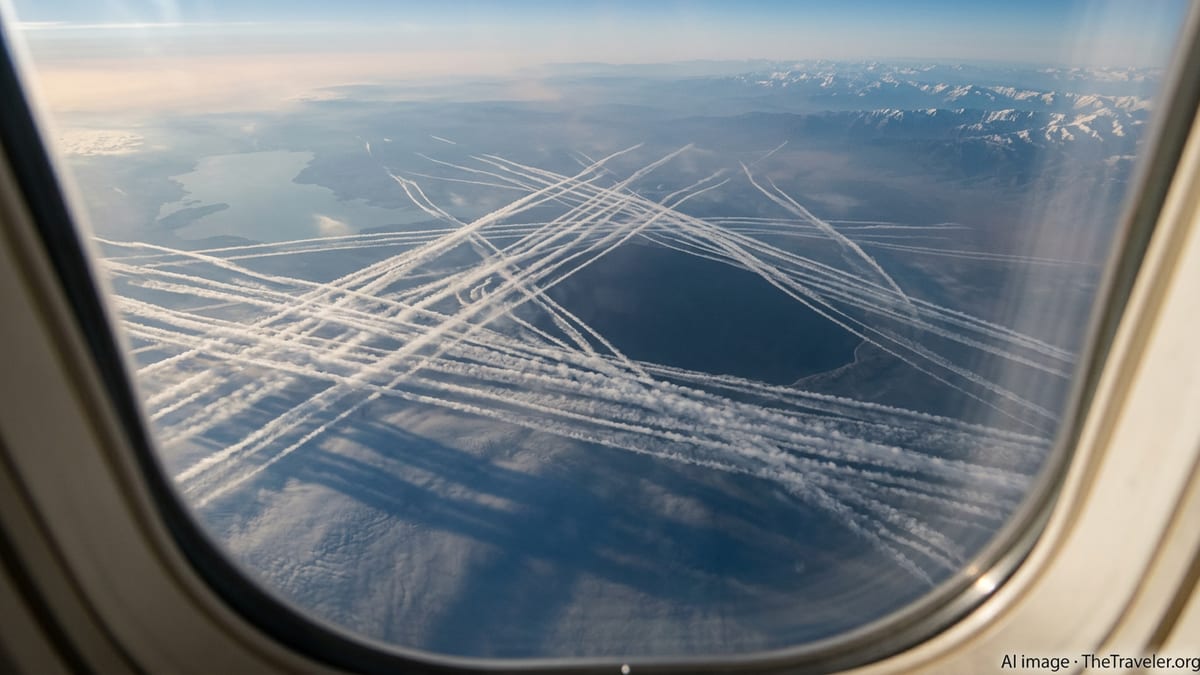
Moscow Rejects Ukrainian Warning Over Russian Skies
Publicly available information shows that Russian officials have moved quickly to counter the impact of President Volodymyr Zelensky’s latest warning about air travel over Russia. In an evening address on September 1, Zelensky told airlines, insurers and governments that Russian skies were becoming “completely unsafe” as Ukrainian long-range drones push deeper into Russian territory.
According to published coverage, Russia’s transport minister Andrei Nikitin responded on September 2 by insisting that Ukraine would not be allowed to “seriously disrupt” the country’s civil aviation operations. Russian media reports indicate that Nikitin framed the situation as one of heightened risk management rather than an imminent shutdown of the country’s airspace.
Russia’s federal air transport agency, Rosaviatsiya, has also publicly rejected Ukraine’s move to issue a formal notice warning of hazards in Russian airspace. In a statement cited by international outlets, the agency described Ukraine’s notice to air missions as illegitimate and argued that Kyiv has no authority over Russian skies under global civil aviation rules.
The competing narratives underscore a widening dispute that now reaches well beyond the battlefield. What began as an air war centered on Ukraine’s territory increasingly shapes the risk calculus for airlines, airports and travelers across the wider region.
Ukraine Escalates Its Airspace Warning Campaign
Ukraine’s government has steadily sharpened its message about the dangers of flying over Russia as the long-range drone campaign against military and energy infrastructure inside Russian territory has intensified. On September 1, Zelensky signaled a new phase by saying Russian airspace would “effectively be closing” because of the scale of unmanned aircraft now operating there.
Published transcripts of his remarks stress that Ukraine does not claim to be targeting civilian aviation. Instead, Ukrainian officials argue that the density of military activity, air defense fire and drone operations creates an environment where civilian aircraft could be caught in crossfire or misidentified, as has happened in other conflicts.
On September 2, Ukraine’s foreign ministry said it had formally informed the International Civil Aviation Organization that Russian airspace is unsafe for civil aviation. According to European media reports, Kyiv’s diplomatic note sought to place responsibility for potential risks on Russia as the state that launched the full-scale invasion and continues to use long-range weapons against Ukrainian cities.
Aviation industry analyses published this week indicate that Ukraine’s message is aimed less at Western carriers, most of which already avoid Russian airspace, and more at airlines from the Middle East, Asia and the post-Soviet region that still overfly or serve Russian destinations. The warning is also directed at insurers and leasing companies that underwrite the financial viability of such routes.
Airlines and Travelers Confront Shifting Route Risks
Risk advisories circulating in the aviation sector suggest that the practical impact of Ukraine’s campaign could be a gradual thinning of international traffic to and from Russia rather than an immediate halt. According to specialist firm Osprey Flight Solutions, most Ukrainian drone and missile strikes are still expected to occur within roughly 300 kilometers of the border, but daily attacks deeper inside Russia, including near Moscow and Saint Petersburg, are considered likely through 2026.
Those assessments add to concerns for airlines still routing over western Russia, particularly on connections between Europe, the Middle East and Asia that once relied heavily on Russian overflight rights. Some carriers based in the Gulf and in Turkey have already adjusted routings in response to evolving security considerations, trading longer flight times and higher fuel bills for a wider margin of safety.
Recent international reporting indicates that a small number of foreign airlines have quietly suspended certain flights to Russian cities after Ukraine’s latest warning, while others have put contingency plans in place should underwriting conditions change. For travelers, that could mean fewer available connections, higher fares on remaining services, and a greater reliance on indirect routings that avoid contested airspace entirely.
Within Russia, domestic carriers have continued to operate extensive networks linking distant regions, reflecting the country’s size and dependence on air transport. Any sustained loss of confidence by passengers or insurers would weigh heavily on those connections, especially to remote areas where rail or road alternatives are limited.
Regulatory Battle Highlights Global Aviation Safety Concerns
The standoff between Moscow and Kyiv is also unfolding in the technical language of civil aviation regulation. Ukraine’s formal submission to the International Civil Aviation Organization is designed to place a clear marker in the global safety record that Russian airspace is, in Kyiv’s view, a high-risk conflict zone.
Russia’s aviation authorities counter that only the state responsible for a given stretch of sky can issue binding notices and that Ukraine’s warning about Russian airspace lacks legal force. Public documents from Rosaviatsiya characterize Ukraine’s notifications as contrary to the Convention on International Civil Aviation, arguing that they create confusion rather than clarity for pilots and operators.
For airlines and aviation insurers, the legal nuances matter less than the underlying operational risk. Industry observers note that previous tragedies in conflict zones, including the downing of Malaysia Airlines Flight MH17 over eastern Ukraine in 2014, have made carriers significantly more cautious about traversing skies near active hostilities. Even nonbinding warnings from states not in control of the airspace can influence insurance premiums, crew unions and internal safety assessments.
The current dispute may therefore accelerate an existing trend of rerouting commercial flights away from contested regions, concentrating traffic on longer but more predictable corridors. That evolution would deepen Russia’s isolation from global air networks while reinforcing a wider shift in how airlines evaluate geopolitical conflict when planning routes.
Travel Outlook: More Detours and Higher Costs Ahead
For international travelers, most immediate itineraries will not change overnight. Many Western airlines stopped flying over or into Russia soon after the full-scale invasion in 2022, and those networks have already been reshaped around alternative paths through Central Asia, the Middle East and the Caucasus.
However, the latest exchange between Russia and Ukraine over airspace safety is likely to harden those patterns and may trigger new adjustments by carriers that still serve Russian destinations. Longer routings to avoid perceived risk areas can translate into increased fuel costs and, ultimately, higher ticket prices on certain long-haul routes connecting Europe and Asia.
Travel planners and corporate travel managers are paying close attention to updated risk maps and airline advisories, particularly for routes that previously relied on Russian overflights. In some cases, passengers may face longer journey times, narrower choices of carriers and fewer nonstops as airlines seek to preserve safety margins while remaining commercially viable.
As drone warfare and long-range strikes continue to redefine front lines far from traditional battlefields, the Russia–Ukraine conflict is increasingly playing out in the skies that global travelers depend on. The latest warnings and assurances suggest that operators will keep flying, but often by taking the long way around.
Moscow vows to avoid airspace disruption despite Zelenskiy’s aviation warning – Reuters
Russia says it won’t let Ukraine disrupt air travel after Zelensky warning – The Moscow Times
Ukraine formally warns airlines that Russian airspace is unsafe – Euronews
Ukraine warns airlines as drone strikes threaten Russian airspace – Aviation Week