


More news on this day
Russian passengers heading to and from Kyrgyzstan faced hours of disruption after a TezJet aircraft suffered a landing gear failure at Bishkek’s Manas International Airport, forcing the temporary closure of the country’s main air hub and leaving travelers stranded in Bishkek and at alternate airports.
Get the latest news straight to your inbox!
Runway Incident Halts Operations at Manas Airport
Publicly available information from Kyrgyz and regional media indicates that the incident took place on July 7 at Manas International Airport outside Bishkek, when a TezJet flight operating the domestic Bishkek to Osh route experienced a serious problem with its rear landing gear during takeoff. The aircraft reportedly tilted onto its left wing and came to a halt on the runway, prompting an emergency response on the airfield.
Reports describe the aircraft carrying around 180 passengers along with crew. Initial accounts state that there were no life threatening injuries, although several travelers suffered bruises and minor cuts during the abrupt stop and evacuation. Video circulated on social networks appears to show the aircraft resting at an angle on the runway, with slides deployed and passengers moving away across the tarmac.
In the immediate aftermath, Manas Airport suspended all flight operations while emergency teams worked to secure the aircraft and inspect the runway. Airport operators announced that the closure would continue for several hours into the evening, triggering a ripple effect across the regional network that quickly affected international services.
Russian Flights Diverted and Passengers Stranded
The closure of Manas Airport led to diversions of multiple flights that had been scheduled to land in Bishkek, including services from Russia. According to published coverage from regional outlets, at least two Russian operated flights en route to Bishkek were rerouted to Almaty in neighboring Kazakhstan, while other aircraft were sent to Osh, Tashkent and Issyk Kul airports.
Russian passengers on board those diverted flights found themselves unexpectedly stranded far from their intended destination. Social media posts and local reporting describe travelers waiting for onward arrangements in Almaty and other airports as airlines and ground handlers worked to organize hotel accommodation, meals and revised itineraries. Many of the affected travelers had planned onward domestic connections within Kyrgyzstan or immediate transfers by road, plans that were abruptly disrupted.
Inside Bishkek’s main terminal, departing passengers had their own difficulties. As officials announced the temporary shutdown of operations, those waiting to fly out of Kyrgyzstan, including Russian nationals returning home or heading on to third countries, were advised to leave the airport and await further information about rescheduled departures. With limited alternative flights and a busy summer travel period, some travelers faced extended delays before new departure times could be confirmed.
Eyewitness Video Highlights Passenger Experience
The incident quickly gained international attention after video clips from the runway and terminal appeared online. One widely shared recording, referenced in regional news reports, shows the damaged aircraft stationary on the runway with one side lowered, while passengers descend via inflatable slides and walk across the apron under the supervision of airport staff.
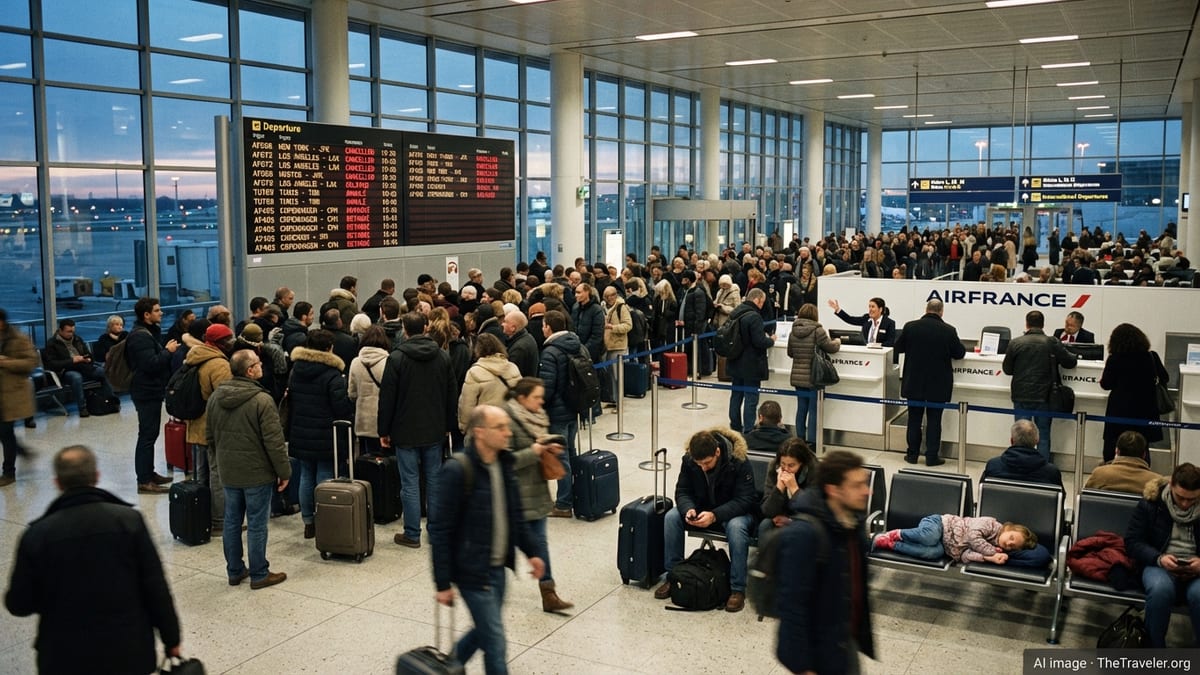
Additional footage taken inside the terminal captures crowds of passengers queuing at airline desks, seeking updates or refunds after receiving notifications of cancellations and diversions. Russian speaking travelers can be heard discussing missed connections and uncertainty over where their aircraft would ultimately land. The combination of dramatic imagery from the runway and scenes of confusion in the terminal helped bring global attention to what would otherwise have been a purely domestic Kyrgyz aviation incident.
For many Russian passengers, the experience reflects a broader pattern of travel disruption affecting cross border routes in the region. Over the past several years, published accounts have repeatedly highlighted situations in which Russian tourists and business travelers were left stranded abroad after technical issues, airspace restrictions or sudden schedule changes, underscoring the vulnerability of travelers to operational shocks in smaller aviation markets.
Injuries Reported but No Fatalities
Information released through Kyrgyz news agencies and aviation focused outlets indicates that, despite the dramatic nature of the landing gear failure, there were no fatalities. Several passengers were assessed for minor injuries such as bruises and cuts, but early summaries describe their condition as non critical. Emergency crews reached the aircraft within minutes, and video evidence suggests that evacuation procedures were carried out rapidly.
The aircraft itself appears to have sustained significant damage to its rear landing gear and lower wing structure where it contacted the runway. Specialists will now need to determine whether it can be repaired or will be written off, a decision that may further affect the fleet capacity of the regional carrier involved.
The lack of serious casualties stands in contrast to earlier aviation accidents in and around Bishkek that resulted in higher death tolls and more extensive damage. Aviation analysts following developments in Central Asia are likely to examine how changes in pilot training, aircraft maintenance standards and emergency planning may have contributed to the comparatively positive human outcome in this case.
Investigation and Ongoing Travel Disruption
According to publicly available statements from Kyrgyz aviation bodies, a formal investigation into the circumstances of the incident has already begun. Specialists are expected to focus on the condition of the aircraft’s landing gear, recent maintenance records, possible runway surface issues and the sequence of crew decisions during the attempted takeoff.
Until the damaged aircraft can be removed from the runway and a full safety assessment completed, operations at Manas Airport are operating on a restricted basis. Airlines serving Bishkek are updating schedules in real time, with some flights delayed into the night and others canceled or rerouted altogether. Russian travelers planning to fly to or through Bishkek in the coming days are being advised through airline channels and travel agencies to check the latest information on departures, arrivals and potential rebookings.
The episode highlights how a single technical failure at a key regional hub can instantly disrupt international travel flows, leaving hundreds of passengers from multiple countries stranded or forced into unscheduled detours. For Russian passengers caught up in the Bishkek incident, the combination of tense moments on board, lengthy waits in unfamiliar airports and uncertainty about onward travel has turned a routine flight into an unplanned travel ordeal.