


More news on this day
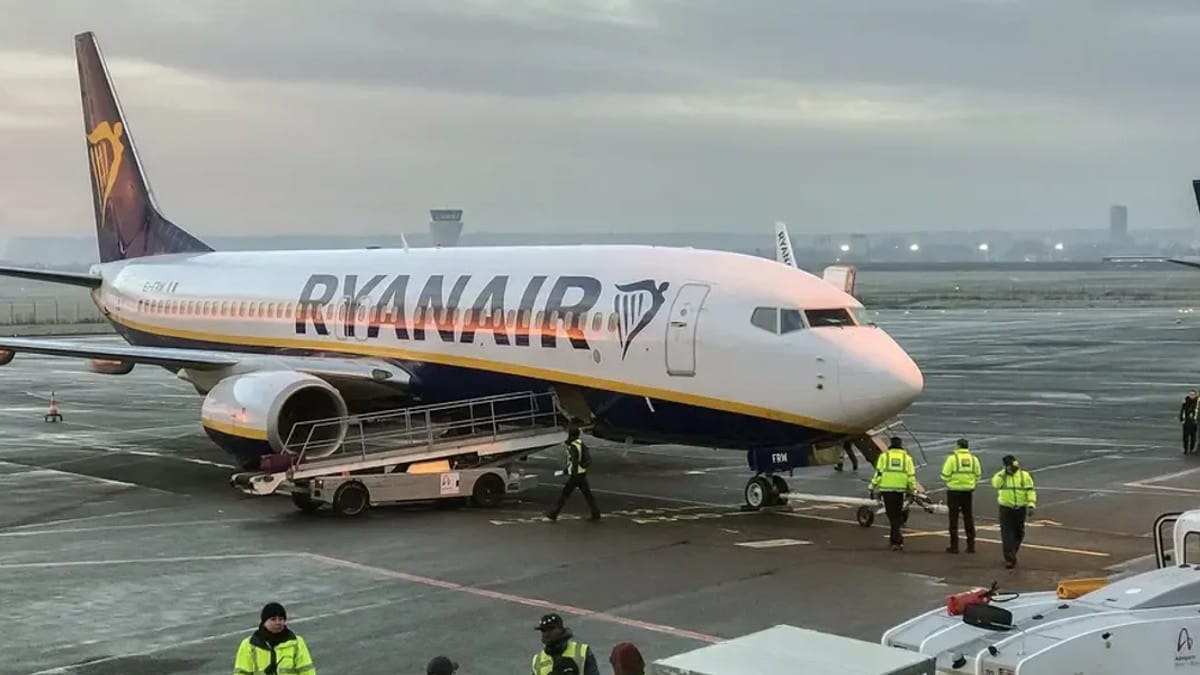
A Ryanair departure from Marseille to Marrakesh descended into chaos when severe delays at French border control left a large group of ticketed passengers stranded, triggering a tense confrontation that saw several people rush onto the tarmac in a last-ditch attempt to stop the aircraft from taking off without them.
Get the latest news straight to your inbox!
Border bottleneck leaves passengers stranded
Reports from French and international media indicate that the incident unfolded at Marseille Provence Airport after a Ryanair flight bound for Marrakesh had already boarded and was preparing to depart. A bottleneck at passport control reportedly developed when staffing levels at border checkpoints failed to keep pace with peak-hour demand, leaving a long queue of outbound travelers unable to clear formalities in time.
Accounts from the scene describe passengers growing increasingly anxious as they watched the scheduled departure time approach, with only a fraction of the queue progressing toward the Ryanair gate. Some travelers were reportedly already checked in, with boarding passes in hand, but remained stuck behind the border-control line as the boarding window closed.
Publicly available information suggests that airport and airline operations proceeded to dispatch the flight once the doors were closed and pushback clearance was granted, even though a significant group of ticketed passengers had not reached the gate. That decision became the spark for what unfolded next on the apron outside.
Dash to the tarmac as aircraft prepares for departure
As the aircraft began preparations for taxi, a number of frustrated passengers are reported to have breached the secure area in an attempt to reach the plane. Video circulating on social media and referenced in news coverage appears to show several individuals on the tarmac gesturing toward the Ryanair jet and attempting to halt its movement.
Airport security protocols strictly prohibit passengers from entering active movement areas, which are reserved for aircraft and ground vehicles. Nevertheless, reports suggest that some members of the delayed group either followed staff toward the aircraft steps or made their way onto the apron from a boarding area, determined to prevent what they saw as an unjust departure.
The confrontation reportedly forced ground operations to pause while staff and security teams moved to clear the area and direct passengers back to the terminal. Observers note that while similar breaches are rare, they tend to draw significant scrutiny from regulators, airport operators, and airlines because they highlight vulnerabilities in crowd management and perimeter control at busy hubs.
Ryanair and airport under renewed scrutiny
The disruption comes at a time when Ryanair’s operations in France and across Europe are already under the spotlight, with the airline frequently vocal about air traffic control staffing and government-related delays, while critics often highlight the strain that low-cost, high-frequency scheduling can place on airport infrastructure. Previous seasons have seen Ryanair and French aviation stakeholders trade blame over staffing, strike disruptions, and passenger welfare during irregular operations.
In this case, published coverage places the primary trigger of the Marseille incident with passport-control delays, an issue typically managed by state or contracted border officers rather than airline personnel. However, consumer advocates point out that passengers tend to view the experience as a single journey, and are likely to hold both the airport operator and the carrier accountable when they miss flights after lengthy queues.
The scene of passengers on the tarmac is likely to fuel debate over how airlines and airports coordinate boarding cut-off times during known bottlenecks. Analysts note that carriers are under commercial and regulatory pressure to maintain on-time performance, yet leaving behind large numbers of passengers who were already inside the terminal risks reputational damage and potential legal disputes over care, rerouting, and compensation.
Safety concerns raised by tarmac breach
Aviation safety specialists routinely warn that unsupervised pedestrians on an active apron create substantial risks. Aircraft can begin to taxi at short notice, ground vehicles move quickly in tight spaces, and jet blast from engines can cause injury or disorientation. The Marseille incident, with passengers reportedly running or standing close to a live aircraft, underscores how quickly a service disruption can escalate into a safety hazard.
Regulators and airport managers typically respond to such events by reviewing surveillance footage, ramp procedures, and staff deployment at boarding gates. While detailed investigations may take time, observers expect questions to focus on how delayed passengers were communicated with, whether they were properly contained within secure waiting areas, and how they were able to access the apron.
Industry commentators also highlight the emotional dimensions of modern air travel. Lengthy queues, tight connections, and strict boarding cut-offs can create a sense of powerlessness, especially when passengers feel they have complied with instructions yet still risk missing flights. That volatile mix can feed impulsive decisions, such as stepping onto the tarmac, that run counter to the carefully controlled environment airports are designed to maintain.
Border-control pressures test Europe’s peak-season readiness
The Marseille episode arrives as Europe’s aviation sector braces for another heavy travel season, with low-cost carriers like Ryanair pushing high aircraft utilization and airports contending with tight labor markets in security, border control, and ground handling. Past summers have already exposed how staffing shortfalls at checkpoints can ripple through departure schedules, sometimes resulting in queues that stretch for hours.
Travel industry observers say the incident serves as an early warning of potential flashpoints if staffing and passenger flows are not more closely aligned. When border or security queues swell unexpectedly, airlines, airports, and state agencies must coordinate quickly to manage boarding times, keep passengers informed, and avoid the perception that aircraft are leaving “half full” while paying travelers remain stuck in line.
For passengers, the Marseille disruption is a reminder to allow generous extra time for airport formalities, particularly at busy hubs and during school holidays or peak weekends. Yet analysts caution that individual preparedness can only go so far if structural bottlenecks persist. Unless border-control and staffing issues are addressed more systematically, they warn that similar scenes of anger at departure gates and on airport tarmacs could surface again as demand remains strong across Europe’s low-cost network.