


More news on this day
A lawsuit brought by 262 current and former Ryanair pilots over alleged shortfalls in holiday pay is casting a fresh spotlight on the low cost carrier’s employment practices and prompting wider scrutiny of how Europe’s fast growing summer travel network relies on complex contracts and cross border labor rules.
Get the latest news straight to your inbox!
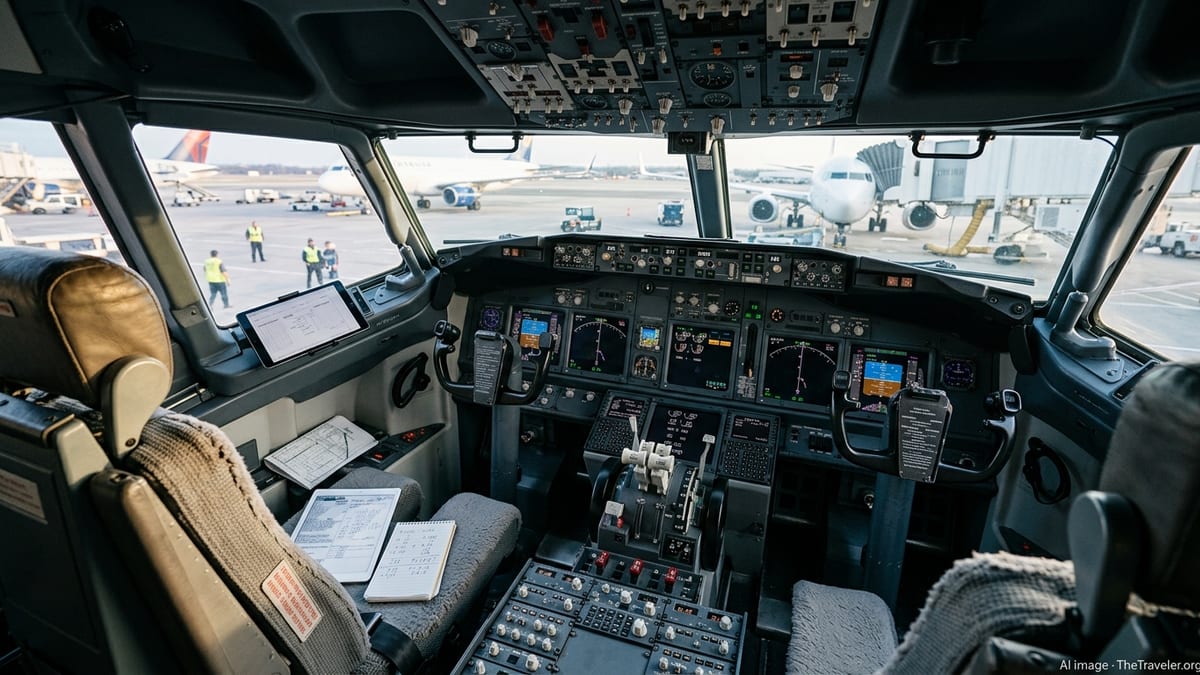
Collective claim challenges Ryanair’s holiday pay practices
The new legal action, filed on behalf of 262 pilots who have flown for Ryanair across several European bases, focuses on how the airline calculates pay during annual leave periods. According to published coverage, the claimants argue that elements such as allowances and supplements linked to flying duties should have been included in their holiday pay, rather than only basic salary.
The pilots’ position appears to build on earlier European case law involving airline crews, where courts have examined whether variable pay linked to actual flying should be reflected in paid leave. In those cases, judges have indicated that holiday pay should not be significantly lower than normal earnings, particularly when allowances are closely tied to a worker’s professional status and regular duties.
Ryanair has not publicly detailed its line by line response to the latest claim, but the airline has previously defended its pay structures and pointed to what it describes as competitive packages compared with other European carriers. Public statements from the company in recent years have highlighted pay increases, new collective agreements with pilot unions and efforts to shift more crew onto directly employed contracts.
The pilots involved in the current lawsuit span multiple hiring arrangements, including direct employment and contracts via agencies or broker companies. Legal specialists note that this mix has been a recurring feature of Ryanair’s labor model and has previously been at the center of disputes over which national law applies and where claims can be brought.
Legal backdrop: EU holiday pay rules under renewed focus
The case comes against a backdrop of evolving European law on how holiday pay should be calculated for mobile workers such as pilots and cabin crew. Past rulings from the Court of Justice of the European Union have emphasized that paid annual leave is a core social right and that workers should not be financially penalized for taking it.
For airlines, this has raised complex questions about variable elements of income, including sector pay, duty pay, commissions and allowances that fluctuate with flying hours or route patterns. Earlier litigation involving other European carriers has led to adjustments in how those components are treated, with some airlines updating policies so that typical variable earnings are reflected in leave pay calculations.
Observers say the Ryanair lawsuit may test how far those principles extend across different contract types and hiring structures used in low cost aviation. The involvement of pilots from several bases, some of whom were hired through agencies registered in one country but flying out of another, could further clarify how cross border employment within the European Union interacts with national labor protections.
Any judgment or settlement that requires back payments, or that reshapes how allowances are treated in future holiday pay, could have financial implications not only for Ryanair but also for other carriers that rely on similar contract models for cockpit and cabin crew.
Implications for Europe’s summer travel network
The lawsuit lands as Europe’s aviation system prepares for what industry forecasts describe as another intense summer season, with passenger demand across major leisure routes approaching or exceeding pre pandemic peaks. Ryanair is a central player in this network, operating thousands of weekly flights that connect secondary airports and holiday destinations from Portugal and Spain to Greece, Italy and Eastern Europe.
Labor disputes at large point to potential vulnerabilities in this system. In past summers, localized strikes by pilots or cabin crew at Ryanair and other low cost airlines have led to cancellations and schedule reductions, with ripple effects across airport operations, air traffic control capacity and connecting services provided by rival carriers.
Analysts note that even when legal cases such as the current holiday pay claim do not immediately translate into industrial action, they can influence broader negotiations over rosters, rest rules and pay progression. Where unions and company representatives are already engaged in talks, a high profile lawsuit can strengthen one side’s leverage or accelerate efforts to reach new collective agreements before peak travel periods.
For passengers, the key question is whether such disputes will affect the reliability of peak season schedules. At this stage, Ryanair’s published timetable for the coming summer remains extensive, and there is no indication in public reporting that the airline plans large scale capacity cuts as a direct result of the holiday pay action. However, travel advisers often recommend that passengers build in extra time for connections during the busiest weeks, especially when traveling through airports historically prone to congestion or staffing shortages.
Ryanair’s evolving relationship with pilot unions
The lawsuit also highlights how Ryanair’s relationship with its pilots has shifted over the past decade. For many years the airline operated without recognizing unions, relying on direct communications with crews and a network of contracts routed through various employment agencies. This approach drew criticism from pilot groups that argued it weakened collective bargaining and created uneven conditions from base to base.
Following a series of disputes and threats of strike action in several countries, Ryanair began to recognize pilot unions and to negotiate national or base specific deals. Public information shows that agreements have since been reached in markets including Ireland, the United Kingdom, Italy and parts of central Europe, covering pay scales, rostering rules and local grievance procedures.
Despite these developments, tensions have persisted over how quickly pay has risen in line with inflation, how rosters are structured in peak months, and the extent to which agency pilots can transition to direct contracts. The holiday pay litigation adds another layer to this debate by focusing not on headline salary levels but on the detailed mechanics of how pilots are rewarded when they are not actively flying.
Union representatives and pilot associations across Europe are watching the Ryanair case closely, viewing it as a possible benchmark for their own talks with airlines that also blend direct employment with outsourced or contractor style arrangements. Any clarification that courts provide on the treatment of variable pay elements during leave is likely to feature prominently in upcoming negotiations across the sector.
What travelers should watch in the months ahead
For travelers planning summer trips within Europe, the immediate impact of the Ryanair pilots’ lawsuit is limited, as court proceedings typically unfold over months or even years. The carrier continues to sell tickets and promote expanded schedules at regional airports, particularly for leisure routes to coastal and island destinations popular with holidaymakers from northern Europe.
Industry observers suggest, however, that the case is another reminder of the tight staffing and operational margins that underpin much of Europe’s budget aviation model. When combined with factors such as air traffic control constraints, weather disruption and airport staffing issues, even modest labor disputes can tip the balance and result in clusters of delays or cancellations at short notice.
Travel planners often advise passengers to monitor news about industrial relations at their chosen airlines, especially as peak season approaches. Keeping flexible itineraries where possible, allowing extra time for connections and considering travel insurance that addresses strike related disruption are among the practical steps frequently recommended.
More broadly, the Ryanair holiday pay case signals that pilot working conditions and contract structures remain active points of contention in the industry. As courts, regulators, airlines and worker representatives continue to negotiate the balance between cost efficient operations and robust labor protections, Europe’s summer travel network is likely to remain under close scrutiny from both travelers and policymakers.