


More news on this day
Ryanair is warning passengers of “passport queue chaos” across Europe this summer, claiming that new fingerprint and facial checks under the European Union’s Entry/Exit System are already stretching some airports beyond capacity as the peak holiday season begins.
Get the latest news straight to your inbox!
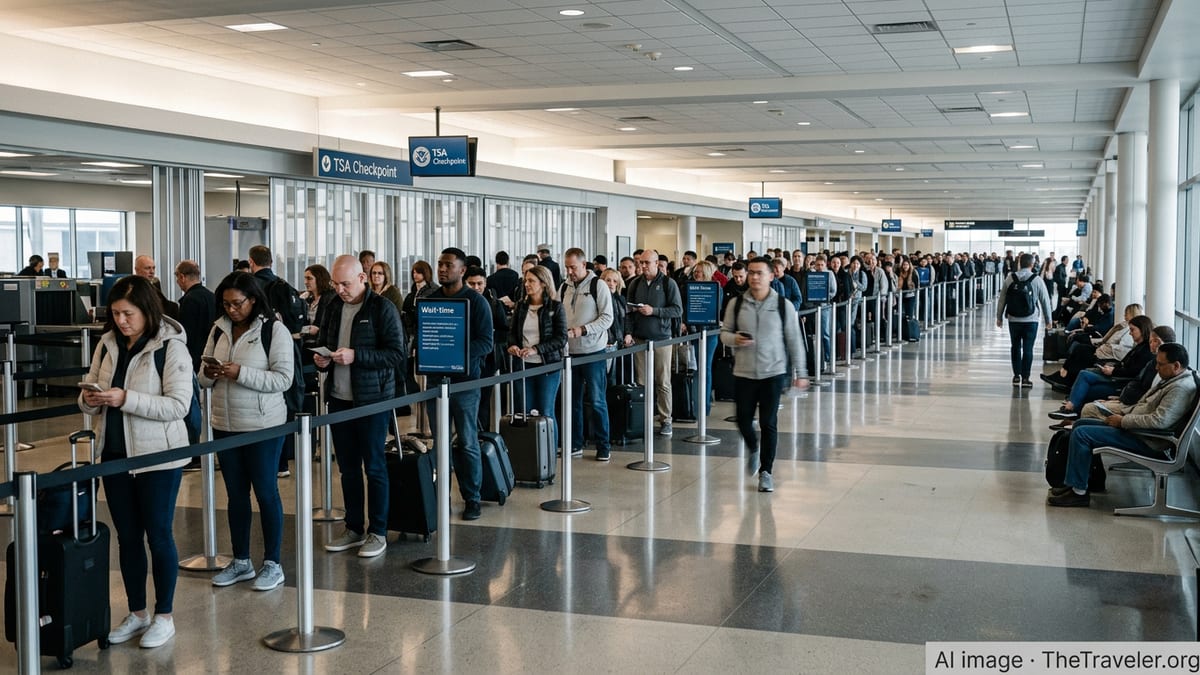
Biometric border rules collide with peak holiday traffic
The warning focuses on the EU’s new Entry/Exit System, a digital border regime that requires most non-EU travellers to have their fingerprints and facial image captured on arrival at the bloc’s external frontiers. Publicly available information shows that the system, which began its phased rollout this year, is designed to tighten border security and track overstays but has significantly lengthened first-time processing for visitors from countries such as the United Kingdom and the United States.
Reports indicate that the biometric enrolment process can take several minutes per traveller, especially when systems are slow or unfamiliar to staff. When multiplied across aircraft arriving within short time windows, this has produced long lines at passport control in several major leisure gateways.
Ryanair’s latest statement, published on its corporate site on July 2, argues that the rollout has collided with the start of school holidays in many European countries, creating what the airline describes as a foreseeable bottleneck. The carrier contends that airports and governments have not yet deployed sufficient staff or working biometric kiosks to handle peak volumes.
Industry coverage suggests that airports and border authorities had already been operating close to their limits on busy days before the new checks were introduced. The additional biometric step is now pushing some locations into what airport groups describe as saturation, with queues spilling into terminal concourses at peak times.
Key leisure hubs singled out for severe delays
In its latest travel advisory, Ryanair highlights a cluster of popular sun and city-break destinations where delays linked to the Entry/Exit System have reportedly been most acute. These include Paris Beauvais, Milan Bergamo, Tenerife South, Palma de Mallorca, Alicante, Malaga and Krakow, all of which rely heavily on traffic from non-Schengen markets.
According to media summaries of the airline’s warning, these airports are struggling with a combination of inadequate biometric kiosks, limited space at border-control areas and staffing shortfalls. With multiple arrivals banked into narrow time slots, passengers on later flights can find themselves waiting significantly longer than those who disembark first.
Reports from Berlin Brandenburg Airport underline how quickly queues can escalate. The airport’s chief executive has been quoted in recent coverage as saying that non-EU travellers have already faced waits of up to two hours at passport control, adding that such conditions are not sustainable through the height of summer. Similar accounts have emerged from Rome, where local airport operators have raised alarms about mounting congestion at border checkpoints.
Travel media reports from Ireland and other outbound markets indicate that some holidaymakers have missed flights or connections after being caught in unexpectedly long lines. In a number of cases, departure gates reportedly closed while significant numbers of passengers were still stuck at border control, prompting complaints from travellers and renewed pressure on both airports and airlines.
Airlines and airports urge more flexibility on EES
The warning from Ryanair comes as Europe’s wider aviation sector steps up its appeals for more flexibility around the new border regime. In an open letter published this week, airline and airport associations including Airlines for Europe, ACI Europe and the International Air Transport Association described the Entry/Exit System as being at a “critical point”.
According to this joint message, waiting times at some external Schengen borders have stretched to between four and five hours during peak periods, with the risk that queues could grow even longer as July and August traffic builds. The groups argue that, without changes, long delays will lead to missed connections, disrupted schedules and heightened tension in terminals.
The associations are calling on EU institutions to allow member states more scope to temporarily suspend or ease the biometric process when queues exceed safe or manageable levels. They contend that the current rulebook leaves border authorities with too little room to adapt to sudden surges in passenger numbers, such as those caused by weather disruption or air traffic control restrictions.
Separately, recent commentary from EU security officials has suggested that stabilising the system could take one to two years as repeat travellers complete their initial enrolment and border staff gain experience. For this summer at least, however, airlines and airports appear to be bracing for continued pressure at key gateways.
Calls to delay implementation in France and beyond
Ryanair is directing particular criticism at France, where the airline operates a dense network of routes linking non-Schengen markets to regional airports. Public statements from the carrier reiterate earlier calls for the French government to postpone full application of Entry/Exit System checks at busy holiday airports until September, a step the airline argues is permitted within current EU rules.
The company maintains that such a deferral would protect families travelling during the school holidays by avoiding the most acute period of teething problems. Ryanair has contrasted France’s approach with that of countries such as Greece, where authorities have reportedly taken a more cautious stance on timing and scope of implementation at certain border points.
While national governments retain some discretion in how they phase in parts of the system, EU-level officials have so far signalled little appetite for a broader delay. Policy commentary from Brussels stresses the long-term security benefits of biometric controls and the need for consistent application at external borders.
This divergence has left airlines in a difficult position as they try to plan rosters and turnarounds against an uncertain backdrop. Carriers are increasing schedule padding on some routes and warning that last-minute gate changes or departure delays may become more frequent where border queues build unexpectedly.
What summer travellers can expect at EU borders
For passengers, the most immediate impact of the Entry/Exit System will be felt at the first EU or Schengen border they cross this summer. Non-EU travellers who have not previously enrolled their biometrics under the scheme should expect to be directed to a manual counter or kiosk where their passport will be scanned, fingerprints taken and a facial image captured.
Once this initial registration is complete and stored, subsequent trips are expected to move more quickly, though border officials will still conduct checks against the database. However, early reports indicate that some travellers have had to repeat enrolment after technical issues or data loss, contributing to renewed queues on later journeys.
Travel industry guidance shared via media outlets advises passengers to build in extra time at departure and arrival airports, particularly on routes between the Schengen area and non-Schengen countries. Some airlines now recommend arriving at the terminal at least three hours before departure to account for potential delays at check in, security screening and passport control.
Ryanair and other carriers are also urging customers to complete as many pre-travel formalities as possible online, keep a close eye on app notifications and proceed directly to border control and gates once inside the terminal. While these steps cannot eliminate the structural pressures around biometric checks, they may reduce the risk of individual travellers being caught out by unexpectedly long lines as Europe heads into one of its busiest and most closely watched summer seasons.