


More news on this day
San Diego International Airport is experiencing widespread delays of around two hours as Labor Day weekend travel peaks, disrupting hundreds of flights and stranding travelers across one of the busiest getaway periods of the year.
Get the latest news straight to your inbox!
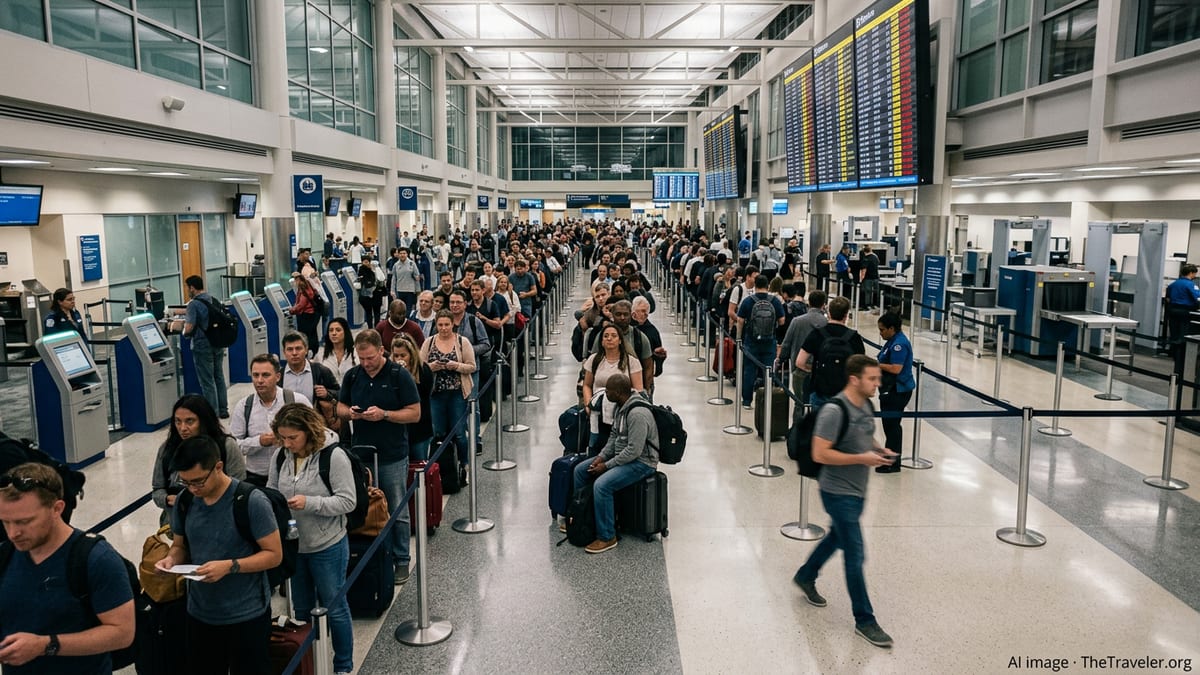
Heavy holiday traffic brings systemwide slowdowns
Publicly available flight-tracking data shows that departures and arrivals at San Diego International Airport have been running significantly behind schedule as Labor Day weekend travel intensifies. One local TV report described average delays of about 122 minutes for many flights on Friday afternoon, just as the holiday period got underway, with more than 300 services affected within a few hours.
These delays coincide with a broader national surge in holiday travel. Industry forecasts have pointed to strong late-summer demand, and regional coverage highlights San Diego as a popular Labor Day destination, concentrating traffic into a single-runway airport that already operates close to capacity during peak periods.
Federal aviation status pages indicate that traffic management measures have been in place for San Diego, citing high volumes and knock-on effects from congestion. While some of the FAA summaries show average delays below the two-hour mark at certain times, local coverage and flight boards suggest that during peak afternoon and evening waves, wait times for takeoff and landing have often approached or exceeded that threshold for specific flights.
Historical air traffic data for San Diego International Airport underscores how sensitive operations can be to demand spikes. With hundreds of daily flights and strong seasonal patterns, even modest disruptions or surges during busy weekends can quickly cascade into longer queues both in the air and on the ground.
Ripple effects for passengers and airlines
The extended waits are having wide-ranging impacts for travelers heading into and out of San Diego. Flight-tracking sites and local news reports point to clusters of delayed departures, missed connections at hub airports and a growing number of schedule changes as airlines attempt to recover their operations through the weekend.
Passengers connecting through larger hubs such as Los Angeles, Phoenix and Denver are particularly vulnerable, as late departures from San Diego can leave little margin to make onward flights. Travel coverage notes that when San Diego’s schedule backs up, downstream impacts at other airports can develop quickly, compounding the disruption for those on multi-leg itineraries.
On the ground, longer turnaround times place additional strain on gates, crews and airport services. With one main runway and constrained airfield space, San Diego’s ability to absorb irregular operations is more limited than that of larger multi-runway hubs. Aviation analysts have previously flagged the airport’s tight operating envelope as a factor that can magnify routine delays during peak seasons.
Reports also indicate that higher travel costs are intersecting with the operational challenges. Regional outlets highlight elevated gasoline prices across San Diego County ahead of Labor Day, alongside crowded highways leading to the airport and coastal destinations. These conditions can lengthen door-to-door journey times even for passengers whose flights depart close to schedule.
Weather, volume and infrastructure shape delay patterns
While Friday’s two-hour averages have not been attributed to a single confirmed cause, recent history at San Diego International Airport illustrates how a blend of factors typically drives holiday-period disruptions. Past Labor Day and late-summer weekends have seen early-morning fog, air traffic control programs and isolated ground incidents converge with already robust demand.
FAA status updates for San Diego in recent days have cited volume-related traffic management programs, showing how congestion alone can slow flows of aircraft into and out of the region. During such programs, spacing between flights is increased to maintain safety and manage controller workload, which can translate into airborne holding, departure queues and downstream delays at origin airports sending flights to San Diego.
San Diego’s single-runway configuration also plays an important role. Aviation reference data notes that the airport handles hundreds of flights per day to more than 100 destinations using that single strip of pavement. In normal conditions, this efficiency is a strength, but when schedules are compressed around holiday peaks or when weather and visibility change rapidly, recovery periods can be longer.
Local coverage over recent years has highlighted how even relatively short weather disruptions, such as coastal fog, can produce outsized impacts at the airport. With little room to reroute aircraft or stage multiple arrival streams, any reduction in arrival rates tends to create a backlog that can take hours to clear, especially on busy getaway days.
What travelers can expect through the Labor Day period
With Labor Day falling on Monday, travel forecasters and regional outlets suggest that elevated passenger volumes are likely to continue through the long weekend, particularly on Sunday and Monday as travelers return home. National security screening statistics from comparable holiday periods indicate that checkpoint volumes can rival or exceed some winter holidays, and San Diego’s status as a beach and events destination adds further pressure.
Observers note that when high demand coincides with staffing constraints and tightly timed schedules, real-world delays can exceed the averages shown on national dashboards. Passengers may encounter long lines at check-in and security, crowded gate areas and slower baggage handling when multiple late-running flights arrive in short succession.
Travel experts routinely recommend building in more buffer time at airports like San Diego during peak weekends, and recent online discussions among local travelers reflect similar advice. Those flying this Labor Day period are widely encouraged to arrive early, monitor their airline apps for schedule changes and consider earlier-in-the-day departures, which historically are less exposed to rolling knock-on delays.
For now, the publicly available data and coverage point to an airport under heavy strain as the unofficial end of summer travel season collides with high demand, limited runway capacity and a national aviation system still vulnerable to localized disruptions.
NBC 7 San Diego: Multiple flights delayed at San Diego International Airport
KSDY: Retrasos en vuelos y gasolina mas cara complican el fin de semana de Labor Day en San Diego