


More news on this day
Passengers traveling through San Diego International Airport are facing a difficult travel day as publicly available tracking data shows nine flight cancellations and 285 delays affecting services operated by Delta Air Lines, JetBlue, United Airlines and Southwest, disrupting connections to Panama, Los Cabos, Hawaii, Dallas, San Francisco and Los Angeles.
Get the latest news straight to your inbox!
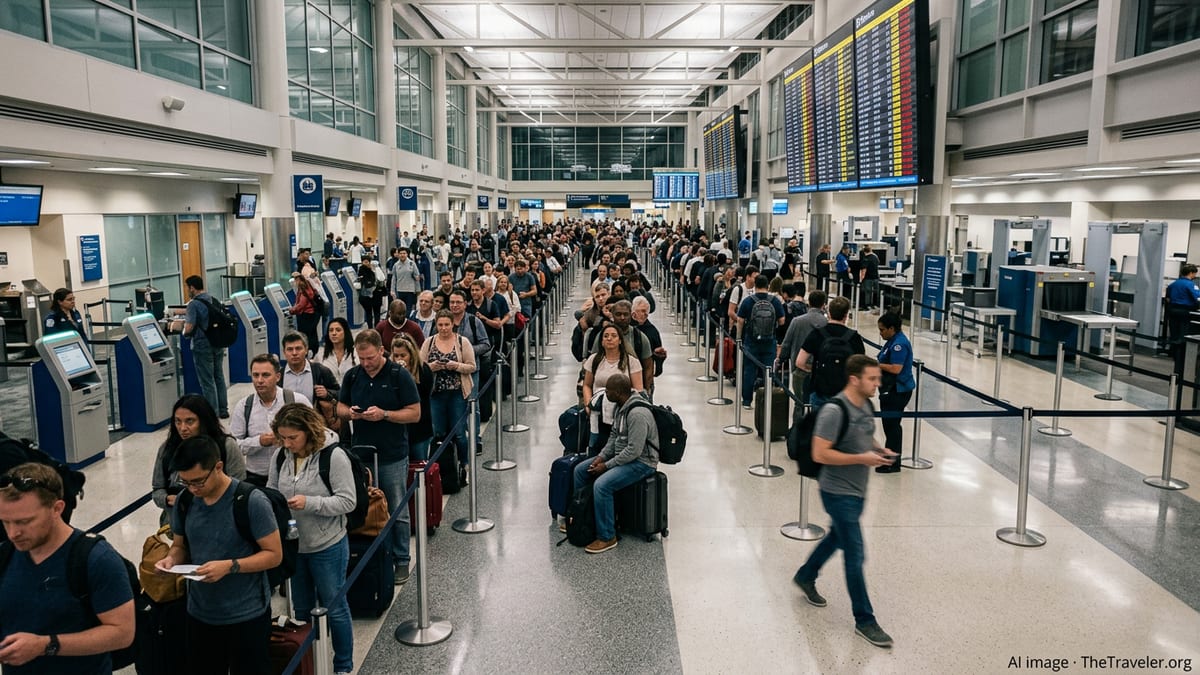
Ripple Effects Across Major Carriers at San Diego
The latest disruption places San Diego International Airport among the U.S. hubs experiencing significant operational strain, with a notably high number of delayed departures and arrivals in a single day. Tracking platforms that aggregate carrier schedules and live flight status indicate that a large share of the 285 affected flights are operating behind schedule rather than being fully canceled, but the cumulative impact on passengers is substantial.
Delta Air Lines, JetBlue, United Airlines and Southwest are among the hardest hit operators at the airport. These carriers collectively account for a major portion of San Diego’s domestic and international connectivity, meaning even a relatively small number of cancellations can quickly propagate through their networks as missed connections and aircraft rotations disrupt subsequent services.
Publicly available statistics on San Diego’s performance over recent weeks already pointed to a challenging operating environment, with roughly a quarter of flights departing late and a small but persistent proportion being canceled. The latest figures of nine cancellations and 285 delays mark a pronounced spike on top of that baseline, intensifying pressure on both travelers and airline operations teams.
Key Routes to Panama, Los Cabos and Hawaii Disrupted
The disruption is particularly visible on key leisure and international routes. Flights linking San Diego with Panama and Los Cabos are experiencing schedule changes that complicate onward travel for passengers using these gateways for connections across Central America and Mexico. For travelers starting or ending cruises, tours or resort stays, even moderate delays can translate into missed ground transfers and last minute itinerary changes.
Hawaii services are also among the affected routes, adding stress for vacationers traveling on tightly planned trips that often involve nonrefundable accommodations and activities. When flights to island destinations depart late or are canceled, rebooking options can be limited due to aircraft availability and the relatively small number of daily frequencies.
Because many of these flights function as links between regional markets and long haul networks, today’s disruptions out of San Diego have the potential to echo across a wider geography. Delayed departures to Panama, for example, can cause travelers to miss connections onto South American or Caribbean services, while late returns from Los Cabos or Hawaii can disrupt evening bank departures from U.S. hubs.
Dallas, San Francisco and Los Angeles Feel Knock-On Delays
Major domestic hubs including Dallas, San Francisco and Los Angeles are also experiencing knock on effects as late running aircraft and crews arrive from or depart to San Diego behind schedule. Live airport boards and tracking services show a pattern of downstream delays on routes linking San Diego with these cities, with some departures pushed back well beyond their original time slots.
These corridors are among the busiest in the western United States, serving a mix of business travelers, tourists and visiting friends and relatives traffic. When multiple departures between the same city pairs are delayed, the usual flexibility of rebooking onto later services can diminish quickly, as flights fill with displaced passengers.
The congestion in Dallas, San Francisco and Los Angeles is also part of a broader national picture. Recent days have brought widespread delays and cancellations across multiple U.S. airports, as reported by various regional news outlets, indicating that what is unfolding in San Diego is one element of a larger pattern of strain on airline and air traffic systems.
Possible Drivers: Weather, Congested Airspace and Tight Schedules
While specific causes for each flight disruption vary, historical performance data and industry analyses suggest a familiar combination of factors at play. Marine layer conditions and coastal weather patterns around San Diego can affect visibility and runway operations, slowing arrivals and departures and quickly creating queues on the ground and in the surrounding airspace.
Across the national network, busy summer schedules, high load factors and constrained spare capacity leave airlines with limited room to recover when early delays occur. Once the first flights of the day depart late and aircraft are out of position, knock on effects can roll through subsequent rotations, leading to compounding delays such as those now seen in San Diego.
Broader data on U.S. flight operations shows that a significant portion of delays typically stems from a mix of air carrier operational challenges, national aviation system constraints and weather. Today’s figures at San Diego align with that pattern, with relatively few outright cancellations compared with a much higher number of flights operating behind schedule.
What Passengers Can Expect and How to Navigate the Disruptions
For travelers moving through San Diego International Airport today, the primary impact is extended waiting times, missed connections and a higher risk of last minute gate or schedule changes. Many passengers heading to Panama, Los Cabos, Hawaii, Dallas, San Francisco and Los Angeles are being advised through airline channels and airport displays to monitor their flight status closely and to allow additional time for connections.
Public guidance from aviation consumer resources typically emphasizes the importance of checking in early, enrolling in airline notification systems and using mobile apps to stay informed during periods of widespread disruption. When flights are significantly delayed or canceled, passengers may have options to rebook, request refunds on unused segments or seek assistance with meal or accommodation arrangements, depending on each carrier’s policies and the nature of the disruption.
As operations gradually stabilize, some of the delayed services at San Diego are expected to depart later in the day, though recovery can be uneven across different routes and airlines. For many travelers, the experience underscores how quickly conditions can change across the air transport network, even on routes that usually operate with high frequency and reliability.