


More news on this day
A Link light rail train derailment near Seattle’s International District on August 2 has forced an abrupt suspension of service through the city center, disrupting weekend travel for commuters, cruise passengers, and summer visitors and triggering a patchwork of replacement buses and improvised alternate routes across the region.
Get the latest news straight to your inbox!
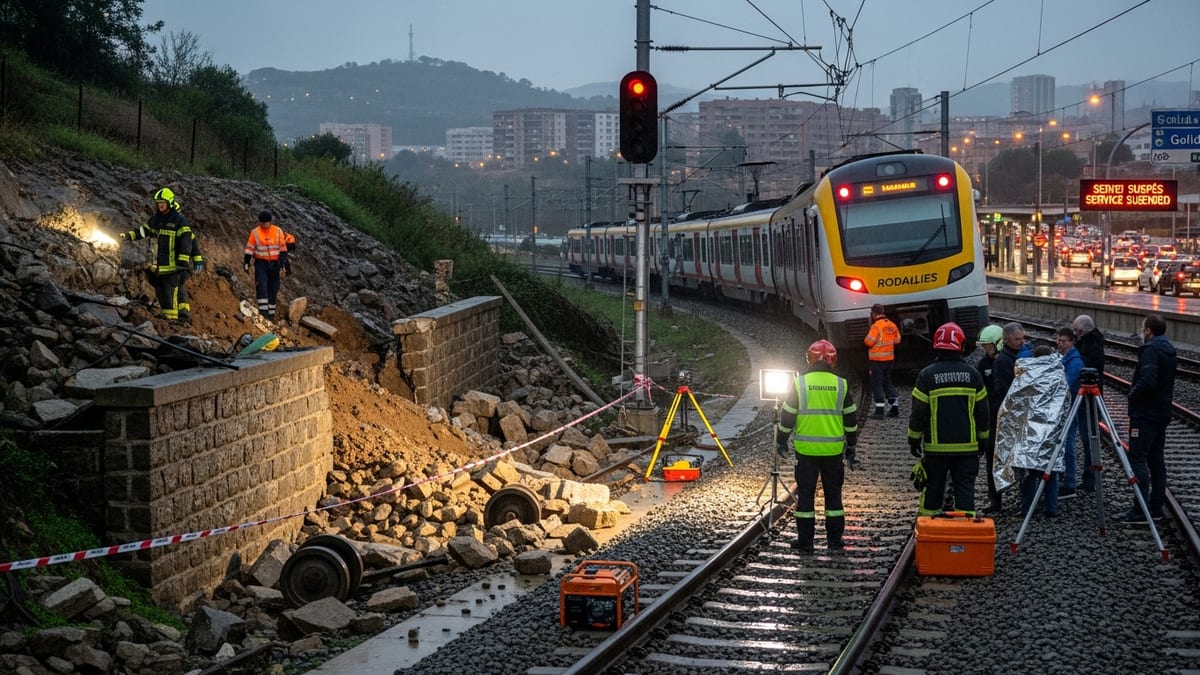
Service suspension on key Link light rail corridor
Publicly available information and rider reports indicate that the derailment occurred near the International District Chinatown Station, a critical junction where lines serving Northgate, downtown Seattle, the Rainier Valley and the Eastside converge. The incident led to trains being stopped in both directions through the core downtown tunnel, with service curtailed north and south of the disruption point.
Initial accounts from transit riders describe a sudden halt to trains, followed by instructions to exit at the nearest station and transfer to surface transportation. Photos and descriptions shared publicly show at least one light rail vehicle off the tracks near a set of track switches, consistent with a low speed yard entrance or junction derailment.
Transit alerts circulated on social media and community forums note that full through service on the 1 Line and 2 Line was suspended shortly after the derailment, echoing earlier unplanned shutdowns that have periodically affected Link operations in recent months. The scale and location of the incident suggest that restoring normal service will require track and signal inspections before trains can safely pass through the area again.
As of Sunday afternoon, there was no firm publicly available timeline for a complete return to regular headways. Riders were being advised to allow extra time, check real time updates before traveling, or avoid light rail altogether if they had flexibility in their plans.
Bus bridges and shuttle routes scramble to fill the gap
In the immediate aftermath, Sound Transit and partner agencies activated replacement bus service to cover the out of service segment. Riders reported a mix of formal “Link shuttle” buses and ad hoc guidance to use existing King County Metro and Sound Transit Express routes parallel to the rail line.
Previous disruptions on the Link system have typically seen shuttle buses running between key stations such as Northgate, Capitol Hill, University of Washington, Stadium and Rainier Valley stops. On Sunday, similar patterns appeared to emerge, with riders directed to transfer from trains at outer stations and complete their trips by bus into or around downtown.
Online reports describe long queues at shuttle stops and crowded coaches, reflecting the challenge of replacing multi car trains running every few minutes with standard buses that carry far fewer passengers. Some riders noted that frequencies on interim shuttles appeared closer to every 20 to 30 minutes in certain corridors, depending on traffic and bus availability.
Transit advocates commenting on the incident drew attention to earlier concerns about the reliability of rail replacement buses during major outages. Discussions highlighted how quickly crowding can build when a high capacity rail corridor suddenly shifts onto surface streets already constrained by weekend traffic and ongoing construction.
Alternate options for travelers and commuters
With Link service through downtown interrupted, riders are leaning heavily on the region’s bus network and other modes to keep moving. Guidance circulating online points passengers toward key north south surface routes such as King County Metro lines serving Northgate, the University District, Capitol Hill, downtown Seattle and the Rainier Valley, many of which roughly mirror the light rail alignment.
Travelers heading to and from Seattle Tacoma International Airport are being advised to budget substantial additional time. Before the derailment, Link provided a direct, congestion free connection between the airport and central Seattle. On Sunday, riders reported that airport trips often required a combination of light rail to the edge of the closure, a shuttle bus into downtown, and in some cases an extra bus transfer or rideshare segment to reach final destinations.
Cruise passengers disembarking at Smith Cove and Pier 66 and visitors staying near downtown hotels are also affected. Several public posts mention travelers with luggage crowding shuttle buses and city routes, underscoring the derailment’s impact on the peak summer tourism period.
For Eastside riders using the newer 2 Line segments, the International District area functions as a crucial node for transfers toward Northgate and the University District. The derailment effectively cut that connection, leading some riders to route via regional buses across Interstate 90 or State Route 520 bridges, or to delay non essential trips until rail service stabilizes.
Ongoing questions about infrastructure resilience
The derailment comes after a string of planned and unplanned interruptions to Seattle’s light rail network, including earlier shutdowns tied to power issues, ventilation faults and track maintenance. Transit commentators note that while light rail is intended to provide a reliable backbone for regional mobility, it remains vulnerable to localized infrastructure failures such as malfunctioning switches and signal problems.
State level safety reporting for rail fixed guideway systems has documented prior low speed incidents in the Seattle area involving light rail vehicles on yard tracks and at junction points, typically without injuries but requiring operational reviews and corrective actions. These records illustrate how complex interactions between human factors, equipment condition and track design can create derailment risks even outside of high speed mainline operations.
Researchers studying urban rail reliability have also pointed out that oversaturated transit networks experience outsized impacts from single point failures, particularly when tunnels or constrained surface corridors lack easy workarounds. In Seattle, the concentration of both the north south Link alignment and bus transfers in and around the downtown transit tunnel and adjacent streets can magnify the disruption from an incident at a single station or interlocking.
The derailment is likely to renew debate about how much operational redundancy is built into the expanding Link system, including the timing and configuration of a second downtown tunnel and the role of parallel bus services that could act as true backups rather than improvised stopgaps.
What riders can expect in the coming days
Based on patterns from previous disruptions affecting Seattle’s light rail lines, a full return to normal service may take more than a single news cycle. If complex track switches or signaling equipment were damaged, technicians may need days to complete inspections, repairs and required safety testing before authorizing regular train movements through the affected area.
During that period, transit users can expect continued reliance on bus bridges and redirected surface routes. Experienced riders are encouraging others, via public forums, to check agency alert channels before every trip, verify whether their usual station is open, and have a backup plan that might include walking between downtown stops or using frequent bus corridors as stand ins for short rail trips.
The incident also highlights broader lessons for travelers using Seattle’s rail network. Transportation research on unplanned rail disruptions indicates that riders who are familiar with alternate bus routes, bike share systems and ridesourcing options tend to recover more quickly from outages, while visitors and infrequent users face greater confusion and delays.
For now, the derailment near the International District has turned what is normally one of the region’s most dependable transit spines into a patchwork of interim fixes. How rapidly those measures transition back to seamless rail service will be closely watched by daily commuters, weekend visitors and policy makers who view Link as central to the Puget Sound region’s long term mobility plans.