


More news on this day
A recent televised interview with CBC journalist Natasha Fatah and stranded traveler Anuj Dhawan has drawn renewed attention to the turmoil facing WestJet passengers after a sudden wave of flight cancellations, adding a personal dimension to a wider disruption that has left tens of thousands of Canadian air travelers scrambling to salvage their plans.
Get the latest news straight to your inbox!
A Personal Story Amid Widespread Disruption
In the interview, Toronto-based traveler Anuj Dhawan describes learning that his WestJet flight had been cancelled only after arriving at the airport, detailing an experience marked by long waits, scarce information, and uncertainty about when he would be able to reach his destination. The exchange with Natasha Fatah brought a human face to what has largely been discussed in terms of statistics and schedules.
Reports indicate that WestJet passengers across Canada have recently faced abrupt cancellations and last-minute disruptions after a period of labour unrest and operational strain at the carrier. Travelers like Dhawan have described being left to navigate rebooking lines, customer service backlogs, and unexpected expenses such as accommodation and food while they wait for alternative arrangements.
Publicly available information shows that WestJet has been operating under significant pressure as it adjusts schedules during peak travel periods. The situation has magnified the impact on passengers who were relying on limited daily frequencies to certain destinations, meaning that a single cancelled flight can cascade into days of delay.
Dhawan’s account, shared in detail during the CBC segment, reflects the mixture of frustration, fatigue, and resignation that many stranded passengers report when travel plans collapse with little warning.
Communication and Support at the Airport
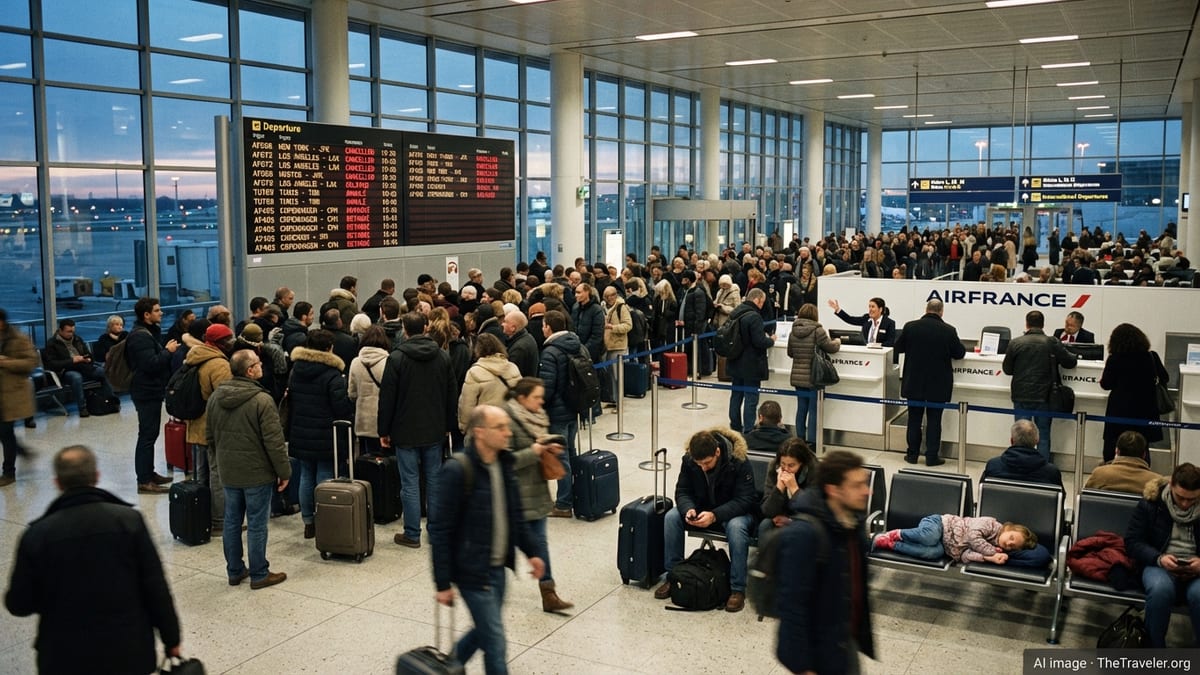
Central to Dhawan’s experience, as he recounted it on CBC, was a sense that communication from the airline was inconsistent and often incomplete. He described crowded departure areas where passengers tried to make sense of changing departure boards and message alerts, while physically lining up for a chance to speak to an agent.
Across recent incidents involving large Canadian carriers, passengers have commonly reported that information about causes of cancellations and realistic timelines for rebooking is difficult to obtain in real time. Public coverage of WestJet’s recent disruptions notes that staffing limitations at call centres and airport counters can lead to multi-hour waits, during which travelers remain uncertain about whether to leave the terminal, book their own hotel, or attempt standby on other flights.
According to published coverage of the current wave of WestJet schedule changes, the airline has emphasized efforts to stabilize operations while acknowledging the inconvenience to customers. Passengers interviewed in various Canadian media outlets have emphasized that, when cancellations occur at the last minute, they are often competing for a limited pool of remaining seats, particularly on popular domestic and transborder routes.
For travelers like Dhawan, the immediate challenge extends beyond simply finding the next available flight. The lack of clear timelines can affect connecting itineraries, ground transportation, and personal obligations such as work schedules and family commitments, compounding the stress associated with a single cancelled leg.
Passenger Rights and Compensation Questions
Dhawan’s experience also feeds into a broader national conversation about what air passengers are entitled to receive when flights are cancelled or significantly delayed. Canada’s Air Passenger Protection Regulations set out compensation and assistance standards that vary depending on whether a disruption is within the airline’s control, within its control but required for safety, or outside its control.
Publicly available legal and advocacy resources in Canada indicate that, for large carriers, cancellations within the airline’s control that are not required for safety can trigger obligations to provide compensation, rebooking, and certain forms of care such as food vouchers and hotel accommodation when overnight stays become necessary. Determining which category a specific event falls into, however, is often a source of confusion for passengers.
Recent academic work on Canadian air passenger rights has highlighted that many travelers remain unaware of these rules or unsure how to apply them to their own situation. In interviews and surveys, affected passengers report that they frequently learn about their rights only after a disruption has already occurred, sometimes days later, when opportunities to claim assistance or negotiate alternative arrangements have passed.
In the wake of WestJet’s latest wave of cancellations, consumer advocates have renewed calls for clearer communication at the point of disruption, including standardized notices at airports and in booking confirmations so that travelers like Dhawan can quickly understand what they may request from the carrier.
Labour Tensions and Operational Strain at WestJet
The context for Dhawan’s disrupted trip includes a recent period of labour tension at WestJet, particularly involving maintenance workers represented by the Aircraft Mechanics Fraternal Association. Public reports show that the union launched an unexpected strike action at the end of June, prompting WestJet to preemptively park aircraft and cancel a large number of flights while seeking to protect safety and gradually stabilize operations.
Coverage of the situation notes that WestJet has argued the work stoppage came despite a federal order for binding arbitration, while union representatives have said the job action was intended to secure what they describe as fair compensation and working conditions. Between those positions sits a large pool of passengers whose trips were either disrupted or cancelled altogether during the peak summer travel period.
Operationally, a sudden shortage of maintenance capacity can force an airline to keep aircraft on the ground until they can be inspected and cleared, narrowing available fleet and crew resources. Analysts observing the WestJet network have pointed out that, in a tightly scheduled summer timetable where aircraft and staff are already heavily utilized, even a modest reduction in available capacity can lead to cascading cancellations.
For passengers like Dhawan, these system-level forces translate into very personal consequences, including missed events, additional expenses, and the emotional toll of feeling powerless in the face of complex negotiations between airlines, unions, and regulators.
A Growing Focus on Traveler Preparedness
The CBC conversation between Fatah and Dhawan also highlights a growing push to better prepare travelers for the realities of modern air travel, where cancellations and extended delays have become more frequent. Studies examining aviation reliability in North America indicate that weather, congestion, labour issues, and aging infrastructure all contribute to a more fragile system, particularly during peak seasons.
In light of these trends, travel advisers and consumer groups increasingly recommend that passengers build more buffer time into itineraries, consider flexible or refundable fares when possible, and maintain documentation of all expenses and communications with airlines in the event they later seek compensation or reimbursement.
Publicly available guidance also stresses the importance of knowing basic entitlements before boarding: whether meals or hotels must be covered in certain disruption scenarios, how to request written confirmation of a cancellation, and where to file complaints with regulators if passengers believe rules have not been followed.
Dhawan’s account, amplified by the CBC segment, serves as a reminder that behind every line on a departure board is a traveler with specific commitments and constraints. As Canadian regulators, airlines, and labour groups navigate the latest round of disputes and operational challenges, the experiences of individual passengers are likely to remain at the center of public scrutiny over how the system is working, and for whom.