


More news on this day
Severe thunderstorms over the Denver metro area on Tuesday forced extensive changes to flight plans, with 22 Denver-bound aircraft diverting to Colorado Springs Airport and causing ripple-effect delays across the region’s air network.
Get the latest news straight to your inbox!
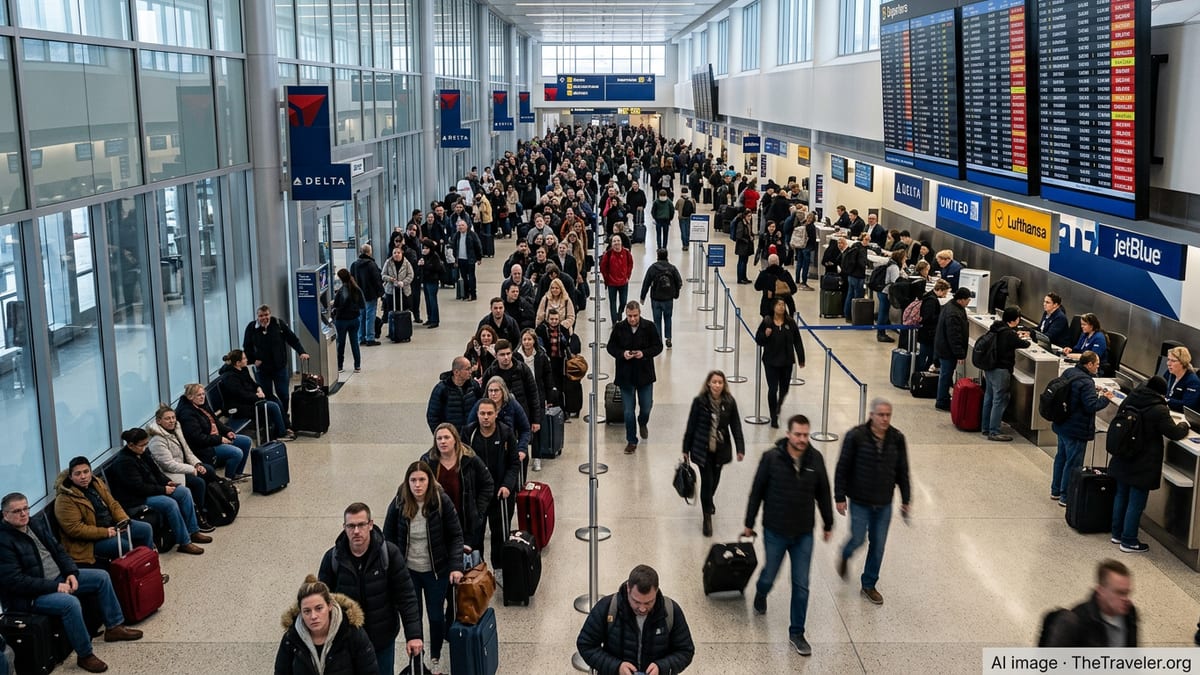
Thunderstorms snarl late-day operations along the Front Range
Reports from flight-tracking services and local coverage indicate that a fast-moving line of thunderstorms built over the Front Range on Tuesday afternoon, reducing arrival capacity at Denver International Airport and triggering a series of airborne holding patterns and diversions. As storms intensified near the airport, pilots approaching Denver were routed to alternates, with Colorado Springs emerging as the primary relief destination.
By early evening, 22 flights originally scheduled to land at Denver had diverted to Colorado Springs Airport, temporarily filling many of its available gates and parking positions. Travelers described extended time waiting on ramps as airlines coordinated refueling, crew duty-time limits, and onward transportation back to Denver once conditions improved.
The diversions occurred as traffic into Denver was already constrained, with publicly available aviation data showing reduced runway use during the most active period of lightning and heavy rain. The combination of airborne delays, ground stops, and rerouted flights contributed to a backlog that took hours to unwind.
Colorado Springs Airport stretched but functioning as relief hub
Colorado Springs Airport, a smaller commercial facility compared with Denver International, routinely handles diversions during severe weather events along the Front Range, but the arrival of 22 unscheduled flights in a compressed window placed unusual pressure on its infrastructure. Recent airport reports show that the facility handled hundreds of diverted aircraft over the course of 2023, underscoring its established role as a regional backup when conditions deteriorate in Denver.
On Tuesday, that role was put to the test as multiple mainline jets and regional aircraft arrived within a short period, filling parking spots and leaving some passengers on board while ramp crews and ground handlers worked through the influx. Publicly shared passenger accounts described full concourses, limited available jet bridges, and extended waits as airlines arranged buses or planned short repositioning flights once Denver traffic resumed.
Despite those strains, Colorado Springs continued to support its own scheduled departures and arrivals, with staffing and runway capacity maintained throughout the storm window. The episode highlighted how secondary airports can absorb shocks to the larger network, even when they face their own operational limits in gate space and ground handling resources.
Passengers face cascading delays and uncertain connections
The diversion of 22 flights added another layer of disruption for travelers already contending with late-day summer storms, a familiar pattern in Colorado’s warm season. Passengers reported missed connections in Denver, unplanned overnight stays, and uncertainty around whether their aircraft would return to Denver the same evening or remain in Colorado Springs until the following day.
Publicly available information from airline status tools showed rolling departure changes for several Denver-bound flights as carriers adjusted to the evolving weather picture, crew rest requirements, and airport congestion. Some itineraries were rebooked through alternative hubs, while others were pushed to early-morning departures once forecasters projected more stable conditions.
Travel industry data and academic research on air-traffic disruptions indicate that such weather-driven diversions can produce knock-on effects across the national network, as aircraft and crews arriving late into major hubs trigger further delays on subsequent legs. For passengers, the practical impacts range from missed events and business meetings to additional lodging and ground-transportation costs.
Why Denver is vulnerable to fast-building storms
Denver International Airport is known for operating through challenging winter weather, but summer thunderstorms present a different type of risk. Case studies from federal meteorological agencies describe how strong convective cells over the plains can quickly produce variable winds, microbursts, wind shear alerts, and lightning in close proximity to runways, forcing controllers to reduce arrival and departure rates or briefly halt operations.
As storms move across the approach and departure corridors, controllers often must funnel traffic into a smaller number of usable runways, or temporarily suspend landings while cells pass over key flight paths. When airborne holding stacks become saturated and fuel margins tighten, diversions to alternates such as Colorado Springs, Cheyenne, or regional airports on the plains become increasingly likely.
Colorado’s official hazard-planning documents note that the state’s air transportation network is particularly exposed to severe thunderstorms, hail, and high winds, which can translate into closures, delays, and large numbers of stranded travelers. The events on Tuesday aligned with that pattern, with a short but intense convective episode causing disproportionate disruption at one of the country’s busiest connecting hubs.
What travelers can do during peak storm season
Travel experts and historical delay data suggest that late-afternoon and evening departures into storm-prone hubs carry elevated risk during summer months, when atmospheric heating favors thunderstorm development. Booking earlier flights, allowing longer connection windows, and monitoring airline apps and flight-trackers can help travelers anticipate disruptions similar to Tuesday’s mass diversions.
When diversions occur, rebooking options may depend on how quickly conditions improve at the primary hub and whether the aircraft can return the same day. Publicly available airline policies typically provide re-accommodation on the next available flight, but ground transport from alternate airports, such as a bus or rental car from Colorado Springs to Denver, can sometimes offer a faster resolution for affected travelers.
The latest storm-related disruptions at Denver and Colorado Springs serve as a reminder that even well-prepared airports remain vulnerable to rapid weather shifts on the High Plains. For travelers passing through the region during the peak of thunderstorm season, flexible plans and real-time information remain essential tools when the flight network is suddenly reshaped by severe weather.